
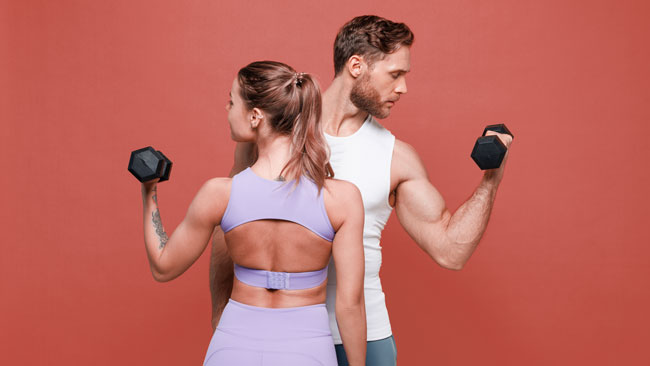
Your back deserves more than just the occasional pull-up or random row.
It’s an important muscle group that not only gives you that V-tapered look but also plays a critical role in your strength, posture, and overall movement.
And you don’t need a fancy gym setup or endless equipment to build it. A simple pair of dumbbells can deliver everything you need to sculpt a strong, defined back. You can achieve significant results using only dumbbells, without any other equipment.
In this article, we’re diving into the only 9 dumbbell back exercises you’ll ever need. These back exercises are effective for muscle growth, helping you target all areas of your back with just dumbbells.
So, grab your weights, clear some space, and let’s get that back stronger than ever.
Introduction to Back Exercises
A strong, healthy back is what really makes the foundation for a powerful upper body and your overall fitness journey. Your back muscles—including the latissimus dorsi, trapezius, and rhomboids—these are so essential for keeping good posture, supporting your spine, and helping prevent those injuries that can really set you back. When these muscles get strong, you’re going to notice improvements in everything from how you perform in sports to just moving better in your daily life.
Dumbbell exercises has become one of the best ways to really target your back muscles in a effective way. With just a pair of dumbbells, you can do a wide range of back exercises that builds strength, muscle mass, and endurance that will help you feel stronger and move better. Whether you’re looking for that sculpted look or you simply want to move better and feel stronger in your everyday life, the best dumbbell back exercises is going to help you reach those goals you’ve been working toward. In this article, we’re going to break down the top moves for your dumbbell back workout, point out common mistakes that people make so you can avoid them, and share some tips that will help you get the most out of your results.
The Benefits of Doing Dumbbell Back Exercises
A strong back is the backbone pun intended—of your fitness and overall health. Whether you’re deadlifting, carrying groceries, or sitting at your desk, a strong back has your back (literally). Dumbbell back exercises are a versatile form of weight training that is accessible and effective for all fitness levels.
When training your back, it’s important to focus on the key muscles such as the traps, rhomboids, lats, and erector spinae. These muscles play a crucial role in posture, movement, and overall back health.
But why dumbbells? Why not just stick to machines or barbells? Let me break it down for you.
Builds a Balanced, Symmetrical Back
One of the biggest advantages of dumbbells is their ability to fix muscle imbalances.
When you’re working with a barbell or machine, it’s easy for your stronger side to dominate the movement, leaving your weaker side behind.
Over time, this creates strength and size disparities.
Dumbbells force each side of your back to work independently. Whether you’re doing rows, reverse flyes, or pullovers, both sides of your body are pulling their weight literally. [[1]](LINK 1)
This not only evens out muscle imbalances but also enhances overall symmetry, making your back look balanced and proportional. Dumbbell training is especially effective for preventing muscle imbalance because each limb must work on its own, promoting balanced muscle development.
Improves Posture and Reduces Back Pain
Most of us spend too much time hunched over screens or slouched in chairs.
Dumbbell back exercises strengthen the muscles that pull your shoulders back and support proper posture, like your traps, rhomboids, and lats. [[2]](LINK 1)
When your back muscles are strong, it becomes easier to sit up straight, stand tall, and avoid that dreaded desk-slouch look.
Plus, a strong back helps reduce tension in your spine, which can alleviate lower back pain and even prevent future injuries. Strengthening your back with dumbbell exercises can also help prevent shoulder injuries by improving shoulder stability and posture.
Enhances Core Strength and Stability
Every time you pick up a dumbbell, your core muscles have to activate to stabilize your body. [3]
Movements like single-arm rows or renegade rows challenge your core to keep you balanced and in control.
This added benefit means you’re not just building a stronger back you’re also strengthening your abs, obliques, and deep core muscles.
A solid core improves your overall athletic performance and makes everyday movements, like carrying groceries or playing with your kids, so much easier.
Increases Flexibility and Range of Motion
Unlike machines, dumbbells give you the freedom to move through a full range of motion. This means you’re stretching and strengthening your muscles at the same time.
For example, when you perform a dumbbell row, you can fully extend your arm at the bottom and squeeze your shoulder blade at the top, maximizing each rep.
Over time, this not only builds strength but also improves flexibility and mobility in your shoulders and upper back.
A better range of motion means fewer movement restrictions and a lower risk of injury, whether in the gym or in daily life.
Works Multiple Muscle Groups at Once
Dumbbell back exercises are the epitome of efficiency. Many of these moves are compound exercises, which means they work for several muscle groups at the same time. These compound movements engage multiple muscles in the posterior chain, helping to build overall strength and support.
For example:
- Dumbbell Rows: Target your lats, traps, rhomboids, and even your biceps.
- Reverse Flyes: Hit your rear delts, traps, and rhomboids.
- Dumbbell Deadlifts: Engage your entire posterior chain, including your lower back, glutes, and hamstrings.
This makes dumbbell exercises a time-efficient way to build strength and muscle in your back while also getting a full-body workout.
Allows for Gradual Progression
As a beginner, it’s important to start with manageable weights and gradually increase the load as you build strength.
Dumbbells make this process simple and straightforward. You can easily add small increments of weight over time, ensuring that you’re continuously challenging your muscles without overwhelming them.
This gradual progression is essential for long-term success. It helps you avoid plateaus, reduces the risk of injury, and builds the confidence you need to keep pushing yourself.
Why Dumbbells are the Best Back Workout for Beginners

When you’re just starting your fiWhen you’re just starting your fitness journey, dumbbells are the perfect tool for back workouts.
They’re not just effective they’re approachable, easy to use, and versatile. Compared to barbell exercises, which can be more difficult for beginners due to technique and load handling requirements, dumbbells offer a safer and more accessible starting point.
Here’s why dumbbells specifically shine for beginners:
Easier to Learn and Master
Starting out in the gym can be intimidating, especially when it comes to complex equipment like barbells or machines.
Dumbbells are far simpler to use.
They let you focus on your form and movement without worrying about complicated setups or overwhelming weight.For example, a dumbbell bent-over row is straightforward: pick up two dumbbells and row. No adjustments, no clunky machines just you and the weights. This simplicity means you can focus on the movement itself, which is key for beginners learning the ropes.
Lighter Weight Options for Confidence
Most gyms and even home dumbbell sets come with lighter-weight options, making them ideal for beginners.
It’s important to select the right dumbbell weight to maintain proper form and enable progressive overload as you advance.
This gives you the freedom to start small and gradually increase as you build muscle, strength, and confidence. Unlike barbells, where even the bar alone can weigh 20-45 pounds, dumbbells allow you to start as low as 5 or 10 pounds.
This makes it easier to practice without feeling overwhelmed or risking injury.
Builds Strength Symmetrically
When you’re new to strength training, it’s common to have one side of your body that’s stronger than the other (yes, that desk job is to blame).
Dumbbells are perfect for addressing these imbalances early.Because each side works independently, your dominant side can’t “cheat” and take over the movement.
This balanced training helps you build strength and supports your long-term health goals
Safe and Forgiving for Beginners
Barbells and machines often force your body into rigid positions, which can be tough on beginners who don’t yet have the flexibility or muscle control for proper alignment.
Dumbbells, on the other hand, allow for a natural range of motion that adapts to your body’s unique mechanics.
Plus, they’re safer. If something feels off or you lose control, you can easily drop a dumbbell or set it down without risking a major accident. This makes them a beginner-friendly choice, especially if you’re still getting comfortable with weightlifting.
For women new to weightlifting, they offer a great way to build confidence, improve technique, and ease into resistance exercises without feeling overwhelmed.
Encourages Full-Body Awareness
Dumbbell back exercises like rows or deadlifts don’t just work your back they also engage your core, stabilizers, and lower body. For beginners, this is a huge plus because it teaches you how to use your entire body in a coordinated way.
You’ll develop a better sense of balance, control, and how your muscles work together. This is especially important for those focusing on body recomp, building muscle while simultaneously reducing fat. Strength training with dumbbells supports muscle retention during fat loss, helping you improve overall body composition.
Incorporating whole body movements and dynamic stretches as part of your warm-up can help prepare your muscles for back training and reduce injury risk.
Perfect for At-Home Workouts
If you’re new to working out and not ready to commit to a gym, dumbbells are the ultimate beginner-friendly tool for home workouts. They don’t take up much space, they’re affordable, and you can do a full back workout with just one or two pairs.
For example, with a couple of dumbbells, you can perform rows, reverse flyes, and even deadlifts all without needing a full gym setup. This convenience is especially helpful when you’re easing into a new routine and building consistency.
Compound Back Workouts vs Isolation Back Workouts
So, What’s the Difference?
Think of compound exercises as the heavy hitters they’re the big moves that build strength, size, and power across multiple muscle groups.
Deadlifts, pull-ups, and rows all fall into this category.
These exercises give you the most bang for your buck, especially when you’re just starting out or looking to build a solid foundation.
On the other hand, isolation exercises are your detailed work, allowing you to target specific muscles like your shoulders
They’re perfect for zeroing in on specific muscles, improving muscle definition, or addressing imbalances.
Think of moves like reverse flyes or pullovers.
These are best added after your main compound lifts to refine and strengthen weaker areas.
Which Should You Focus On?
As a beginner, your priority should be compound back exercises.
These movements will help you build a strong base, improve coordination, and develop balanced strength across your back.
Once you’ve got the basics down, you can start sprinkling in isolation exercises to target specific areas and fine-tune your results.
Best Dumbbell Back Exercises for a Strong Back
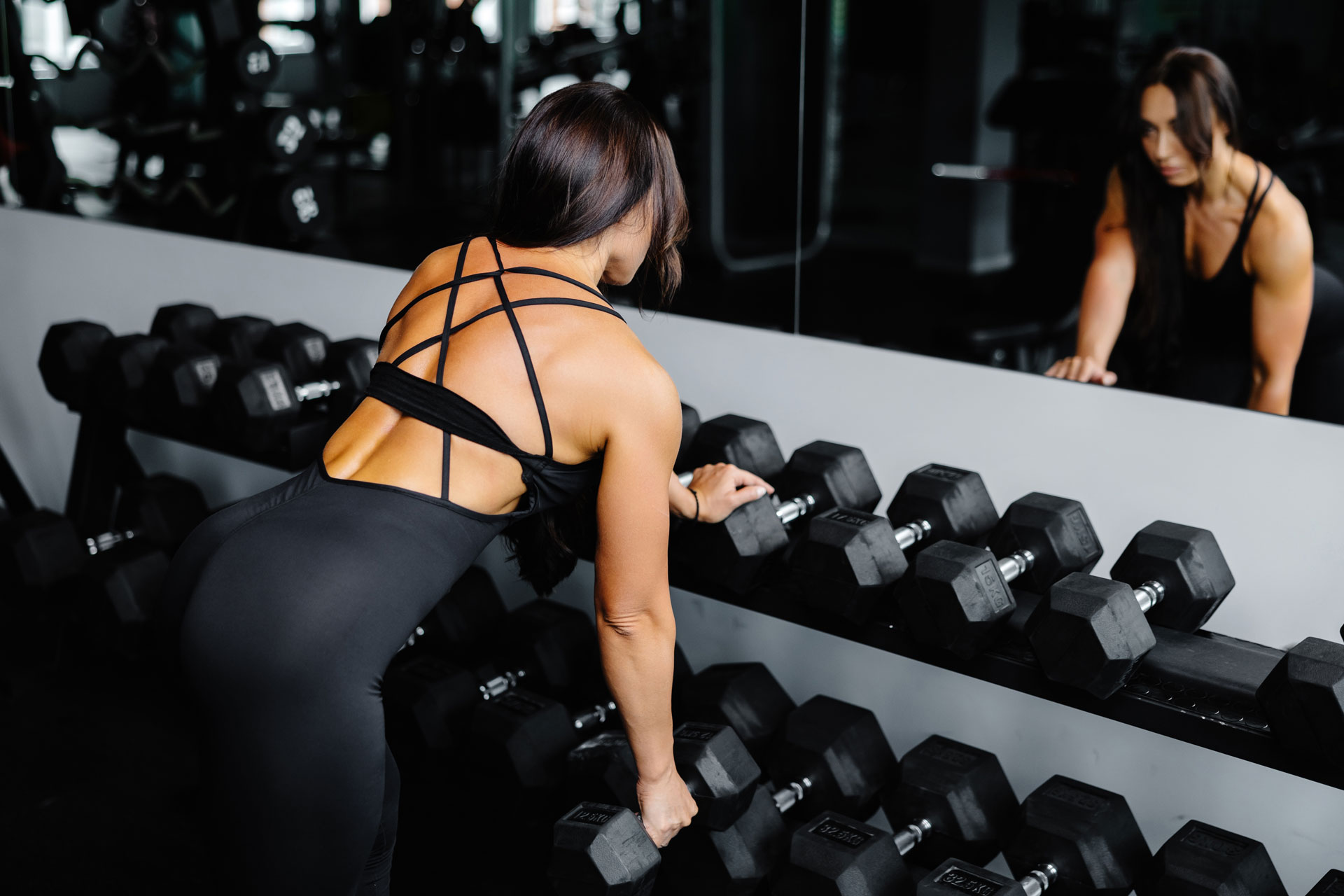
Whether you’re hitting the gym or sticking to a winter workout at home, here are the best dumbbell exercises for a powerful back, including essential dumbbells back movements like the reverse fly and Romanian deadlifts that specifically target your upper back muscles, with tips to maximize each move.
Dumbbell Deadlift
Target Area: Lower back, glutes, hamstrings, and core.
Difficulty: Moderate. Proper form is key to avoid straining your lower back.
Benefits:
- Strengthens the entire posterior chain.
- Improves functional strength for daily movements like lifting and bending.
- Enhances hip hinge mechanics.
How to Do It:
- Hold a dumbbell in each hand with your palms facing your legs, keeping your arms extended and the dumbbells straight.
- Stand with feet hip-width apart.
- Hinge at the hips and lower the dumbbells down your legs while keeping your back straight and arms extended.
- Drive through your heels to return to a standing position, squeezing your glutes at the top, and keep the dumbbells straight throughout the movement.
Pro Tip: Focus on controlling the descent and maintaining a neutral spine throughout the movement. Keep your arms extended and the dumbbells straight for proper form and maximum muscle engagement. If you’re training for strength progression, track your heaviest lifts and aim to set a PR every few weeks.
Dumbbell Bent-Over Row (Two-Arm)
Target Area: Lats, traps, rhomboids, and rear delts.
Difficulty: Easy to Moderate. Great for beginners focusing on building back thickness.
Benefits:
- Builds upper and mid-back strength. Standard dumbbell rows are a fundamental back exercise that effectively target these muscle groups.
- Enhances posture and shoulder stability.
- Improves pulling power for other lifts.
How to Do It:
- Hold a dumbbell in each hand and hinge forward at your hips so your torso is almost parallel to the floor.
- Let the dumbbells hang straight down with your palms facing each other in a neutral grip.
- Pull the dumbbells towards your waist, squeezing your shoulder blades together at the top.
- Slowly lower them back down.
Pro Tip: Keep your core engaged and avoid rounding your back to protect your spine.
Dumbbell Renegade Row
Target Area: Upper back, lats, core, and arms.
Difficulty: Moderate to Advanced. Requires balance and core stability.
Benefits:
- The classic renegade row is highly effective for full upper body engagement, targeting the chest, triceps, abs, lats, and rhomboids.
- Strengthens the back while engaging the core.
- Improves stability and coordination.
- Works for multiple muscle groups simultaneously.
How to Do It:
- Start in a high plank position with a dumbbell in each hand, directly under your shoulders. Focus on maintaining an elevated plank position throughout the movement for stability and optimal back muscle engagement.
- Row one dumbbell towards your waist while keeping your body stable and hips square.
- Lower the dumbbell back down and repeat on the other side.
Pro Tip: Minimize hip rotation to fully engage your core and maximize the back workout.
Dumbbell Single-Arm Row
Target Area: Lats, traps, and rhomboids.
Difficulty: Easy to Moderate. Great for isolating one side of the back.
Benefits:
- The single arm dumbbell row is excellent for targeting the mid-back and correcting muscle imbalances.
- Builds strength and definition in the back.
- Improves stability and coordination.
Looking to stay updated on the latest in fitness & health? Check out our blog for expert tips and the newest trends.
How to Do It:
- Place your left knee and hand on a bench for support, holding a dumbbell in your right hand.
- Let the dumbbell hang straight down.
- Pull the dumbbell towards your waist, keeping your elbow close to your body.
- Lower it back down and repeat.
Pro Tip: Squeeze your shoulder blade at the top of the movement to fully engage your lats, and keep the dumbbell straight throughout the lift for proper form.
Dumbbell Romanian Deadlift
Target Area: Hamstrings, glutes, and lower back.
Difficulty: Moderate. Focus on maintaining a neutral spine.
Benefits:
- Engages multiple muscles in the posterior chain, including the hamstrings, glutes, and lower back.
- Increases hamstring flexibility and strength.
- Improves lower back stability.
- Enhances hip hinge mechanics.
:
- Hold a dumbbell in each hand with your palms facing your legs.
- Stand with feet hip-width apart and slightly bend your knees.
- Hinge at the hips and lower the dumbbells down your thighs, stopping just below your knees.
- Return to standing by driving through your heels and squeezing your glutes.
Pro Tip: Keep the dumbbells close to your legs to protect your lower back.
Dumbbell Pullover
Target Area: Lats, chest, and core.
Difficulty: Moderate. Requires control to avoid overextending the shoulders.
Benefits:
- Stretches and strengthens the lats.
- Improves shoulder mobility.
- Engages the chest and core as secondary muscles.
:
- Lie face up on a flat bench or weight bench, holding one dumbbell with both hands above your chest.
- Slowly lower the dumbbell back over your head, keeping your arms straight.
- Stop when you feel a stretch in your lats, then return the dumbbell to the starting position.
Pro Tip: Use slow, controlled movements and choose an appropriate dumbbell weight to maximize the stretch and engagement.
Dumbbell Reverse Fly
Target Area: Rear delts and upper traps.
Difficulty: Easy to Moderate. Focus on control over weight.
Benefits:
- Strengthens the rear deltoids for better shoulder stability.
- Targets the trapezius muscles, supporting upper back and shoulder strength.
- Improves posture.
- Builds a well-rounded upper back.
How to Do It:
- Hold a dumbbell in each hand and hinge forward at your hips, letting the dumbbells hang straight down.
- With a slight bend in your elbows, lift the dumbbells out to the sides until they’re at shoulder level.
- Slowly lower them back down.
Pro Tip: Keep the movement slow and controlled, avoiding momentum.
Dumbbell Shrugs
Target Area: Traps.
Difficulty: Easy. Suitable for all fitness levels.
Benefits:
- Builds trap size and strength.
- Improves neck and shoulder stability.
How to Do It:
- Hold a dumbbell in each hand with your arms at your sides, using a neutral grip (palms facing each other) to reduce wrist strain and improve muscle engagement.
- Shrug your shoulders up as high as possible, squeezing your traps at the top.
- Slowly lower your shoulders back down.
Pro Tip: Avoid rolling your shoulders and stick to an up-and-down motion.
Prone Dumbbell Y-Raise
Target Area: Lower traps and rear delts.
Difficulty: Moderate. Use light weights to maintain form.
Benefits:
- Strengthens the lower traps for improved shoulder stability.
- Enhances posture and reduces shoulder strain.
How to Do It:
- Lie face down on an incline bench, holding a light dumbbell in each hand.
- Extend your arms out in front of you to form a “Y” shape.
- Lift the dumbbells off the ground, keeping your arms straight.
- Slowly lower them back down.
Pro Tip: Use light weights to avoid strain and focus on proper form.
Dumbbell Back Workout Routine
A well-rounded dumbbell back workout routine is something that should hit all the key muscle groups in your back, making sure you get balanced development and strength that really helps you move better in life. Here’s how you can structure your routine using some of the best dumbbell back exercises that has helped many people build stronger backs:
- Bent-Over Rows: Start with this classic exercise that targets your latissimus dorsi, trapezius, and rhomboids muscles. Stand with your feet shoulder width apart, knees slightly bent, and hinge forward at the hips like you’re reaching down to pick something up. With a dumbbell in each hand, let your arms hang straight down, then pull the dumbbells up toward your sides, keeping your elbows close to your body and really focusing on squeezing those back muscles. This move is a staple for building strong dumbbell back that will help you in everyday activities.
- Single-Arm Dumbbell Rows: Focus on one side at a time which helps correct muscle imbalances and build strength that prevents injuries and falls. Place one knee and hand on a bench, with your other foot firmly on the ground for stability. Hold one dumbbell, let your arm hang straight, and row the weight up toward your waist, really squeezing your shoulder blade at the top and feeling that muscle working. Make sure to alternate sides so you ensure balanced muscle activation that helps with better posture and movement.
- Upright Rows: Stand tall with your feet shoulder width apart and a dumbbell in each hand, maintaining good posture throughout. Using an overhand grip, pull the dumbbells straight up toward your shoulders, keeping your elbows higher than your wrists and really focusing on controlled movement. Upright rows is excellent for targeting your upper back, especially the trapezius and rhomboids muscles that helps with everyday activities like lifting and reaching.
- Renegade Rows: Get into a plank position with a dumbbell in each hand, feet shoulder width apart for stability and core engagement. Row one dumbbell up toward your hip while keeping your core engaged and your body in a straight line, really challenging your whole body. Alternate sides and focus on maintaining that plank position. This full body exercise not only works your back muscles but also challenges your core and upper body stability that brings tremendous benefits for overall strength.
By including these moves in your workout routine, you’ll hit multiple muscle groups, improve your posture, and build a strong, resilient back that helps you move better in life—all with just dumbbells and the commitment to help yourself get stronger.
Common Mistakes to Avoid
Even the best dumbbell back exercises can lose their effectiveness—or even cause injury—if performed incorrectly. Here are some common mistakes that I’ve seen many clients make during their dumbbell back workout, and I’m passionate about helping you avoid them:
- Letting your back arch or round: I always tell my clients to keep their spine straight and maintain neutral position. Rounding or arching your back can put unnecessary strain on your spine and increase risk of injury. This is something that has affected many people that comes to train with me.
- Using too much weight: It’s tempting to grab heavy dumbbells, but sacrificing proper form for heavier weights can lead to poor muscle activation and potential injuries. I help everyone start with lighter weights and focus on technique first. This compassionate approach has help thousand of people build strength safely.
- Neglecting your core: Failing to engage your core during back exercises can reduce stability and make the movement less effective. I encourage my clients to keep their core engaged throughout each rep to protect their lower back. This is especially important for people 40 and over who needs extra stability.
- Skipping warm-ups and stretches: Not preparing your muscles before and after your back exercises can limit flexibility and increase risk of strains or pulls. I always facilitate proper warm-ups with light cardio and dynamic stretches before, and static stretches after workout. Many clients has came in with previous injuries that could have been prevented.
By avoiding these pitfalls, you’ll get more out of your dumbbell back exercises and keep your back healthy for the long haul. I’m committed to help you move ahead in your fitness journey and encourage you to bring a friend or loved one to help staying motivated.
Tips for Success
To help you get the most out of your dumbbell back workout and stay safe while you’re working hard, here’s some guidance that has help many people over the years:
- Start with lighter weights: Focus on learning the right way to move and getting your technique down before you add more weight. This approach has prevented so many injuries and makes sure you’re working the muscles that you want to target. Remember, everyone starts somewhere.
- Prioritize proper form: Quality is always more important than how much weight you’re lifting. Keep that back straight, engage your core muscles, and move with control – even if it means using weights that feel lighter. Your body will thank you for this patience.
- Engage your core: A strong and stable core is what supports your back and helps you maintain good position throughout each movement. This foundation has help countless people that want to build strength safely.
- Stretch before and after: Make sure you incorporate some dynamic stretches before your workout and static stretches after to help with flexibility and recovery. This habit has brought to light how much better people feel when they take care of their muscles properly.
- Mix up your routine: Include different dumbbell back exercises to work various muscle groups and prevent your progress from getting stuck. This keeps your workouts interesting and your muscles challenged in new ways.
By following this guidance, you’ll build a stronger and more resilient back while getting the most out of every workout session. These tips has help many people that have came to understand how important proper training is for long-term success.
A strong back isn’t just about aesthetics it’s about functionality, posture, and long-term strength. And the best part is that you don’t need fancy machines or a fully stocked gym to get there.
Dumbbells are all you need to build a balanced, powerful, and injury-resistant back.From rows and deadlifts to reverse flyes and pullovers, these nine dumbbell exercises hit every major back muscle, helping you develop strength, symmetry, and control.
Whether you’re a beginner learning the basics or an experienced lifter refining your technique, these moves deliver results.
Now it’s on you. Pick up those dumbbells, stay consistent, and start building the strong back you deserve.
Conclusion
Frequently Asked Questions (FAQs) About Dumbbell Back Exercises
1. Can I build a strong back using only dumbbells?
Absolutely! Dumbbell back exercises are highly effective for building strength, muscle mass, and improving posture. They allow you to target all major back muscles with a variety of movements, and the ability to train unilaterally helps correct muscle imbalances. With consistent training and proper form, dumbbells alone can help you develop a strong, healthy back.
2. How important is proper form when doing dumbbell back exercises?
Proper form is crucial to maximize muscle activation and prevent injury. Maintaining a neutral spine, engaging your core, and avoiding rounding or arching your back during exercises like rows and deadlifts ensures you protect your spine and get the most benefit from each movement. Starting with lighter weights to master form before progressing is highly recommended.
3. What are some common mistakes to avoid during dumbbell back workouts?
Common mistakes include letting your back arch or round, using weights that are too heavy, neglecting to engage your core, and skipping warm-ups or stretches. These errors can reduce effectiveness and increase injury risk. Focus on controlled movements, proper posture, and gradually increasing weight to stay safe and effective.
4. How often should I perform dumbbell back exercises?
For most people, training the back 2 to 3 times per week is effective. This frequency allows for muscle recovery and growth while maintaining consistency. Listen to your body and adjust based on how sore you feel or your overall training regimen.
5. Can dumbbell back exercises help improve posture?
Yes, strengthening the back muscles—especially the traps, rhomboids, and lats—helps pull your shoulders back and supports proper spinal alignment. This can reduce slouching and alleviate tension caused by prolonged sitting or poor posture habits.
6. Do I need a bench to perform dumbbell back exercises?
While a bench can enhance exercises like the single-arm dumbbell row or chest-supported rows by providing stability, many exercises can be adapted to be done without one. For example, bent-over rows and renegade rows can be performed using just dumbbells and body positioning.
7. How can dumbbell exercises address muscle imbalances?
Dumbbells allow each side of your body to work independently, preventing your stronger side from compensating for the weaker one. This unilateral training helps identify and correct imbalances, leading to more symmetrical strength and muscle development.
8. What is the best way to warm up before a dumbbell back workout?
A proper warm-up includes light cardio to increase blood flow, dynamic stretches targeting the back and shoulders, and activation exercises such as band pull-aparts or arm circles. This prepares your muscles and joints for the workout, reducing injury risk and improving performance.
9. How do dumbbell back exercises benefit core strength?
Many dumbbell back exercises, like renegade rows or single-arm rows, require core engagement to maintain stability and balance. This added challenge strengthens your abs, obliques, and deep core muscles, contributing to overall functional strength.
10. Can I combine dumbbell back exercises with other workouts?
Definitely! Dumbbell back exercises complement other training routines, including push workouts, leg days, or full-body circuits. They can be integrated into your current training regimen to ensure balanced development and improved overall fitness.
References
1. Haugen, M.E., Vårvik, F.T., Larsen, S. et al. Effect of free-weight vs. machine-based strength training on maximal strength, hypertrophy, and jump performance – a systematic review and meta-analysis. BMC Sports Sci Med Rehabil 15, 103 (2023). https://doi.org/10.1186/s13102-023-00713-4
2. Harvard Health Publishing. (n.d.). Effective exercises for building a strong back. Harvard Medical School. Retrieved January 28, 2025, from https://www.health.harvard.edu/exercise-and-fitness/effective-exercises-for-building-a-strong-back
3. Oliva-Lozano JM, Muyor JM. Core Muscle Activity During Physical Fitness Exercises: A Systematic Review. Int J Environ Res Public Health. 2020;17(12):4306. Published 2020 Jun 16. doi:10.3390/ijerph17124306