
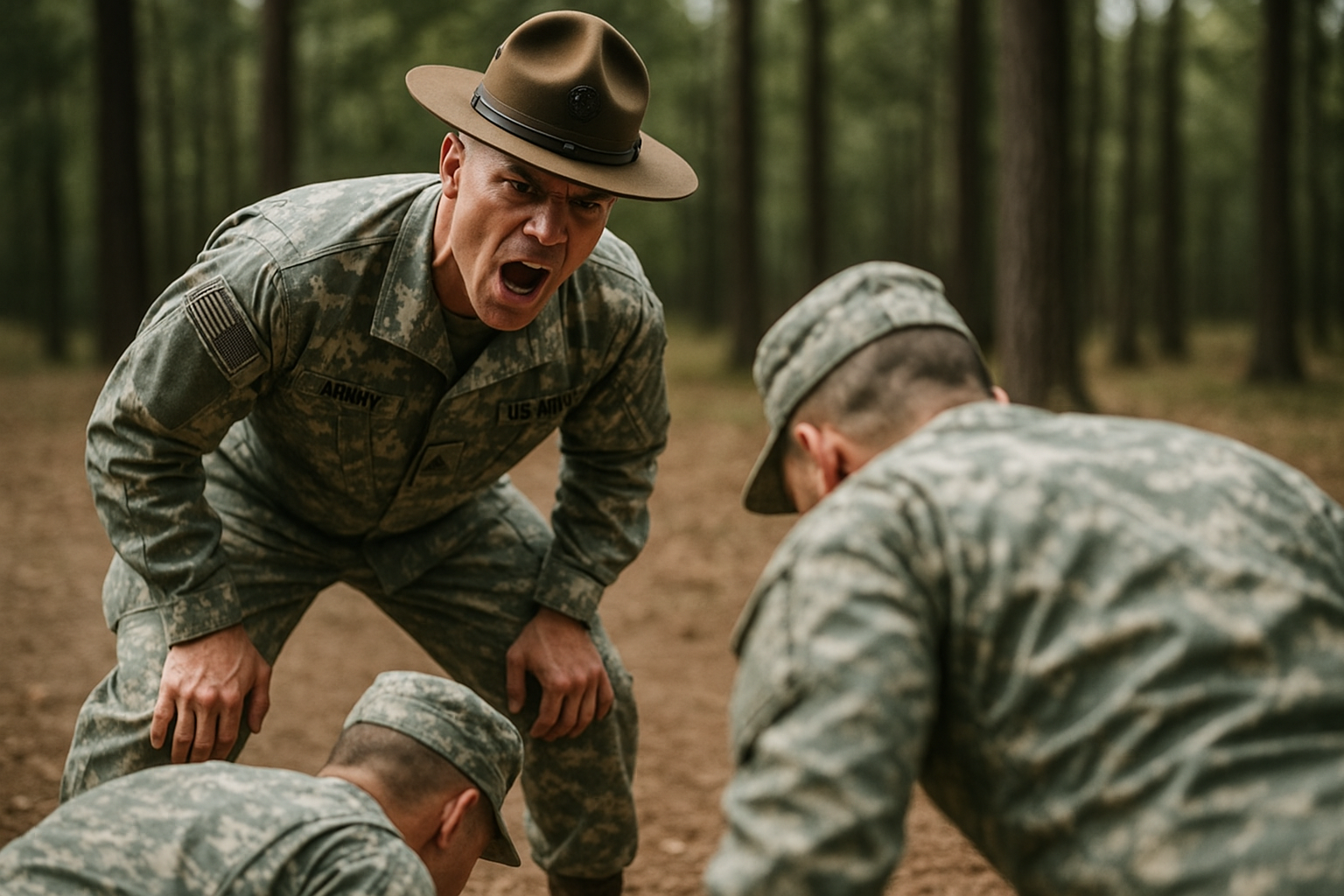
Boot Camps: Complete Guide to Military, Correctional, and Educational Training Programs
Introduction
Boot camps are intensive, structured training programs designed to rapidly transform participants through immersive experiences that combine physical training, discipline, and skill development. Originally stemming from military basic training, boot camp programs now span military recruit preparation, correctional rehabilitation for youth offenders, and accelerated career education in fields like coding and cybersecurity.
Boot camps appeared in the U.S. military during the Spanish-American War of 1898, named after the leggings (“boots”) worn by Navy and Marine recruits. Juvenile boot camps, modeled after military training, operate for 90 to 180 days and combine physical conditioning, discipline, and education. The first juvenile boot camp was established in Orleans Parish, Louisiana, in 1985. Studies show juvenile boot camps have limited impact on reducing recidivism and are often criticized for not addressing root causes like family abuse and mental health issues.
Educational boot camps, such as those for coding or cybersecurity, have a fast, immersive pace. They use an intensive, hands-on, project-based learning method with few general education courses. The curriculum in bootcamps is often created with employers to ensure relevance and applicability of skills. Boot camps can also help participants build professional networks through interactions with organizers and industry professionals.
What This Guide Covers
This guide examines military basic training programs (lasting 7.5-13 weeks), correctional boot camps for youth crime intervention, and educational bootcamp programs for career skills development. What IS included: program types, durations, locations, preparation strategies, and selection criteria across all three categories. What ISN’T included: specific military regulations, detailed curriculum for individual programs, or therapeutic treatment protocols.
Who This Is For
This guide is designed for military recruits considering enlistment across any armed forces. Whether you’re a parent exploring juvenile justice alternatives or someone looking into coding and digital marketing boot camps, you’ll find helpful guidance here. For many, boot camps are the first step in a transformative journey, building a foundation for growth, new skills, and fresh career paths.
Why This Matters
Boot camps represent a $366 million industry addressing critical workforce skills gaps and behavioral intervention needs. Military boot camps prepare over 180,000 new recruits annually for active duty service across six branches, while educational boot camps offer alternatives to traditional 4-year university programs with 6-month job placement rates of 70-80%. Well-structured boot camps can benefit participants by reducing recidivism, improving attitudes, facilitating rehabilitation and community reintegration, and offering cost savings compared to traditional incarceration or probation.
What You’ll Learn:
- How to distinguish between military, correctional, and educational boot camp models
- Specific requirements, locations, and durations for major programs
- Evidence-based preparation strategies for physical and mental challenges
- How to evaluate boot camp effectiveness and choose appropriate programs
Understanding Boot Camps
Boot camps are intensive, time-limited programs that use military-style discipline, structured schedules, and immersive environments to rapidly transform participants’ behavior, skills, or identity. These programs are both physically and mentally tough, demanding endurance, resilience, and a strong commitment from participants.
The core philosophy centers on breaking down existing habits and rebuilding participants with new discipline, practical skills, and confidence. This approach typically involves 12-16 hour daily schedules,
Core Principles Across All Boot Camp Types
All successful boot camp programs share key elements: intensive daily schedules with structured physical training, clear leadership from drill sergeants or instructors, and immediate feedback to help participants thrive under pressure. Building physical strength supports mental resilience, while group challenges teach selfless service and leadership. Military boot camps stress mission focus, training recruits to prioritize objectives with unwavering commitment.
These principles stem from centuries of military training, proven effective in preparing soldiers for high-stress missions and combat.
Shock Incarceration vs. Therapeutic Models
Shock incarceration focuses on punishment through strict physical demands, rigid discipline, and confrontational methods designed to “break” participants before rebuilding them. In contrast, therapeutic models combine physical training with counseling, education, life skills, and mental health support to address the root causes of behavioral issues.
Research shows therapeutic approaches lead to better long-term outcomes, especially for youth in juvenile justice programs, where trauma-informed care is more effective than purely punitive tactics.
Transition: These foundational principles apply differently across three distinct categories of boot camp programs, each serving different populations and goals.
Types of Boot Camps
Boot camp principles from military basic training have been adapted across three main categories: military recruit preparation, correctional rehabilitation, and civilian career education, each with distinct durations, requirements, and outcomes.
Military Basic Training Boot Camps
Military boot camps remain the original and most established model, preparing new recruits for active duty service through basic combat training that typically lasts 7.5 to 13 weeks depending on the branch.
Army: 10 weeks at Fort Moore, Georgia; Fort Jackson, South Carolina; Fort Leonard Wood, Missouri; or Fort Sill, Oklahoma. Training covers basic rifle marksmanship, first aid, physical fitness, and essential military skills to prepare soldiers for their army career.
Marine Corps: 13 weeks at Parris Island, South Carolina or San Diego, California. Known for the most demanding basic training, culminating in “The Crucible” - a 54-hour final test during the last phase that transforms recruits into Marines.
Navy: 10 weeks at Great Lakes, Illinois, focusing on seamanship, naval traditions, and physical conditioning that prepare sailors for shipboard life and naval missions.
Air Force and Space Force: 7.5 weeks at Joint Base San Antonio, Texas, emphasizing technology, aerospace fundamentals, and physical fitness with less emphasis on physical labor compared to other branches.
Coast Guard: 8 weeks at Cape May, New Jersey, combining maritime rescue techniques, law enforcement training, and physical conditioning for both military and civilian support missions.
All military programs are paid training where participants receive full support, education, and guaranteed placement upon successful completion.
Correctional and Juvenile Boot Camps
Correctional boot camps began in Georgia and Oklahoma in 1983 as alternatives to traditional incarceration, targeting nonviolent youth offenders with 90-180 day residential programs. By 1994, 29 states operated 59 facilities, though many have since closed due to mixed results.
These programs serve mid- to late-teen offenders, combining physical training, education, and discipline, followed by 6-9 months of community aftercare. The goal is to reduce youth crime and help participants avoid future involvement in the justice system.
Research shows limited success in reducing recidivism unless strong rehabilitation services accompany physical training. After participant deaths and abuse allegations, Florida and other states banned state-run programs, shifting focus to therapeutic models including counseling and mental health support.
Unlike military boot camps, correctional programs emphasize rehabilitation, with participants returning to their communities instead of military careers.
Educational and Career Boot Camps
Educational boot camps represent the newest adaptation, offering accelerated training in high-demand career fields through intensive 6-24 week programs that teach practical skills for civilian jobs. They focus on areas like coding, data analytics, and cybersecurity.
Coding Boot Camps: Typically 12-24 weeks, these programs emphasize hands-on projects and portfolio building to prepare students for entry-level tech roles. For example, General Assembly offers 10-12 week courses requiring about 20 hours per week, helping students gain real-world experience and job-ready skills.
Business Boot Camps: Lasting 6-12 weeks, these programs focus on digital marketing, entrepreneurship, and leadership skills. Many connect participants with employers and offer job placement support.
Creative Boot Camps: Running 4-16 weeks, these cater to artists, writers, and digital creators, teaching both technical skills and business knowledge for freelance or agency work.
Educational boot camps typically cost between $5,000 and $20,000, emphasizing a faster return on investment compared to traditional degrees, which often require more time and money upfront.
Key Points:
- Military boot camps have set durations and locations with guaranteed placement.
- Correctional boot camps show mixed results, with many participants dropping out during aftercare.
- Educational boot camps boast 70-80% job placement rates within six months of graduation.
Transition: Knowing these program types helps you choose the boot camp that best fits your goals.
Boot Camp Experience
Boot camp is a journey that challenges people physically and mentally, serving as a crucial first step toward personal and professional growth. From the moment new recruits arrive, they enter a structured environment where discipline, teamwork, and resilience take center stage. Basic combat training forms the backbone of military boot camps, combining intense physical training with essential education in areas like basic rifle marksmanship, first aid, and practical skills needed for an army career.
Participants engage in demanding physical labor, including daily push-ups, running, and strength exercises to build endurance. Small team activities encourage selfless service and teamwork to complete missions. Drill sergeants offer constant support and guidance, helping recruits overcome challenges and build confidence throughout training.
Boot camps started to quickly prepare people for active duty, but they offer more than physical readiness. Recruits gain life skills like discipline, leadership, and adaptability—key for success in military or civilian life. The focus on practical skills and real-world scenarios ensures readiness for any path, whether military service, addressing youth crime, or starting a new career.
We believe the boot camp experience unlocks each person’s full potential. Through rigorous training, education, and mentorship, participants leave with the confidence, skills, and mindset needed to succeed in any environment. Together, we help them achieve their goals.
Boot Camp Business Model
The boot camp business model is all about helping people quickly gain practical skills to advance their careers. Unlike traditional education, which can take years, boot camp programs respond fast to job market needs, ensuring students learn exactly what employers want.
What makes this model stand out is the hands-on learning. These intensive programs last just weeks or months, with students working on real projects and practicing skills daily. Immediate feedback from instructors builds confidence as participants master their abilities. This approach welcomes people from all backgrounds, speeding up learning and helping everyone reach their goals—whether beginners or those with some experience.
Choosing and Preparing for Boot Camps
Selecting the appropriate boot camp requires careful assessment of your goals, capabilities, and circumstances, followed by thorough preparation to maximize success during the intensive training period. Planning is the most crucial part of launching a boot camp, including conducting market research and establishing a budget. The effectiveness of a boot camp is directly related to the quality of its content, so it is important to evaluate the curriculum carefully. Hiring experienced instructors is a key factor in determining a boot camp's success, as their expertise directly impacts participant outcomes. Additionally, remember that rest is essential for both physical and mental recovery during training, helping to maintain resilience and overall performance.
Step-by-Step Selection Process
When to use this: For anyone considering boot camp enrollment across military, correctional, or educational categories.
- Assess Your Goals: Decide if you want military service, behavior change, or a career shift. Military boot camps lead to active duty, while educational ones focus on civilian jobs.
- Research Program Requirements: Look into costs ($5,000-$20,000 for educational, paid for military), fitness standards, and academic needs. Check graduation rates and alumni success.
- Evaluate Physical Fitness: Military boot camps demand high fitness with push ups, running, and strength tests. Educational boot camps usually require less physical effort but need mental stamina.
- Review Success Metrics: Check job placement rates, salary gains, and long-term outcomes. Military programs guarantee placement but require years of service.
- Apply and Prepare: Complete paperwork, medical checks, and interviews. Start physical and mental prep 8-12 weeks before starting.
Comparison: Military vs. Educational Boot Camps
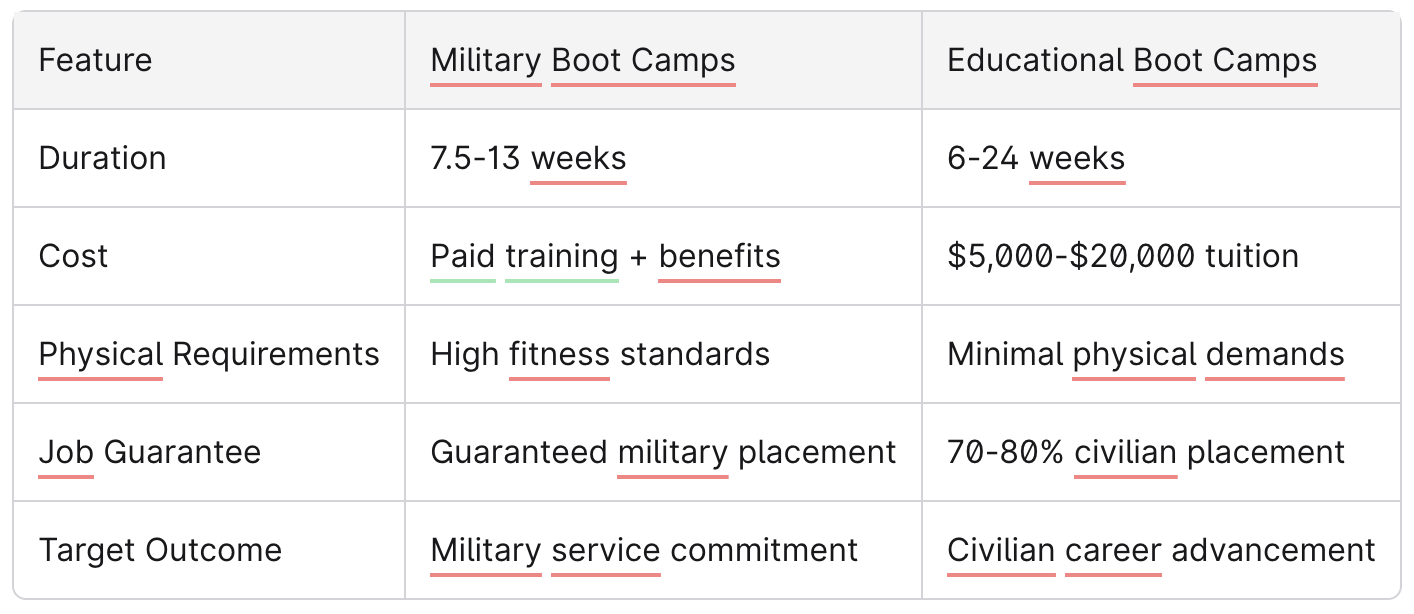
Military programs offer guaranteed placement and paid training but require multi-year service commitments, while educational boot camps provide flexibility for civilian careers but involve significant financial investment with variable job placement outcomes.
Transition: Successful completion of any boot camp program depends on addressing common challenges through proper preparation and realistic expectations.
Common Questions About Boot Camp
When you're thinking about a boot camp program, it's completely normal to have questions about what you're getting into and how to get yourself ready. Here's answers to some of the most common questions that will help you understand the journey ahead and set yourself up for success together:
How long does boot camp last? Boot camp programs typically run from 7.5 to 13 weeks for military training. Educational and correctional camps vary more, lasting from a few weeks up to several months, depending on their focus and goals.
What kind of training will I receive? You’ll experience a mix of physical training, classroom education, and hands-on skill development. Military boot camps focus on basic combat training, physical fitness, and teamwork, while educational boot camps emphasize practical job skills and career preparation to help you move forward.
How can I prepare physically and mentally? Preparation is key, and I’m here to help you succeed. Begin a fitness routine with cardio, strength, and endurance exercises to get physically ready. Mentally, familiarize yourself with the program’s structure and expectations, and together we’ll set clear goals for your journey.
Will I be able to handle the tough conditions? Boot camp is challenging, but with determination, preparation, and support from instructors and peers, most participants find they can push through and exceed their own expectations. Knowing the phases of training and what’s expected at each stage helps ease anxiety and build confidence.
What are the benefits of completing a boot camp? Graduates gain valuable skills, boosted confidence, and lasting discipline. Whether your goal is to join the army, start a new career, or challenge yourself, boot camp helps you reach your full potential and prepares you like nothing else can.
By addressing these common questions, you’ll approach boot camp with a clear understanding, allowing you to focus on your mission and make the most of this life-changing experience.
Boot Camp Resources
Preparing for a boot camp program is easier with the right resources, and I’ve seen this help many people over the years. Whether you’re aiming for military, correctional, or educational boot camp, plenty of support is available to help you succeed, and I’m here to guide you.
Online Forums and Communities: Connecting with current and former participants through forums and social media groups offers valuable advice, encouragement, and insights about training and camp life.
Training Guides and Preparation Courses: Many organizations provide guides and courses covering physical conditioning and mental prep. These resources build your skills and confidence—use them, they really help.
Community Centers and Support Services: Local centers often offer prep classes, fitness programs, and workshops to develop discipline and readiness. Bringing a friend or loved one can boost motivation.
Books and Educational Materials: There are many helpful books and online materials on physical training, leadership, and practical skills. Whether you’re new or have some knowledge, these deepen your understanding.
Mentorship and Instructor Support: Many programs offer mentors and instructors who guide you through preparation. Their expertise helps you avoid pitfalls and stay motivated. I’m here to support everyone—no excuses, no one left behind.
By utilizing these boot camp resources, you can focus your education and training efforts, build the confidence needed to tackle new challenges, and increase your chances of success like a partnership. Whether your goal is to join the military, start a new job, or simply improve your skills, these resources will help you meet the demands of your chosen path and reach your full potential. We set goals and we achieve them together.
Common Challenges and Solutions
Understanding typical obstacles helps prospective participants prepare effectively and increase their chances of successfully completing their chosen boot camp program.
Challenge 1: High Attrition Rates (20-30% don’t complete programs)
Solution: Prepare physically with cardio, strength, and endurance training 8-12 weeks before starting. Focus on push ups, running, and functional fitness to build strength and mental toughness.
Research the program and talk to alumni to set realistic expectations about daily routines and challenges.
Challenge 2: Financial Investment for Educational Boot Camps
Solution: Look into income share agreements, employer sponsorships, and flexible payment plans.
Compare potential salary gains with traditional education costs and time, considering the faster path to employment.
Challenge 3: Limited Long-term Success in Some Programs
Solution: For correctional programs, opt for therapeutic models with strong aftercare, including mentorship and community support.
For educational programs, choose reputable providers with solid employer connections, career services, and clear job placement data.
Transition: Thoughtful preparation and program choice lay the groundwork to make the most of your boot camp experience and reach your goals.
Conclusion and Next Steps
Boot camps provide intensive training across military preparation, behavioral intervention, and career advancement. Success depends on choosing the right program for your goals and preparing thoroughly for the physical and mental challenges.
Here’s the key takeaway: military boot camps have a proven track record with guaranteed outcomes, correctional programs work best with therapeutic approaches, and educational boot camps offer flexibility but require careful research on providers and job prospects.
To get started:
- Assess your fitness with a focus on cardio, strength, and mental readiness for demanding environments.
- Reach out to recruiters or advisors to learn about program details, deadlines, and daily expectations.
- Submit applications and gather documents like medical clearances, transcripts, references, and complete any required tests or interviews.
Related Topics: Military career fields and specialization options, alternative education pathways including community college partnerships, and juvenile intervention programs with family support services provide context for understanding long-term career implications and ongoing support systems available beyond initial boot camp completion.
Boot Camps: Complete Guide to Military, Correctional, and Educational Training Programs
Introduction
Boot camps are intensive, structured training programs designed to rapidly transform participants through immersive experiences that combine physical training, discipline, and skill development. Originally stemming from military basic training, boot camp programs now span military recruit preparation, correctional rehabilitation for youth offenders, and accelerated career education in fields like coding and cybersecurity.
Boot camps appeared in the U.S. military during the Spanish-American War of 1898, named after the leggings (“boots”) worn by Navy and Marine recruits. Juvenile boot camps, modeled after military training, operate for 90 to 180 days and combine physical conditioning, discipline, and education. The first juvenile boot camp was established in Orleans Parish, Louisiana, in 1985. Studies show juvenile boot camps have limited impact on reducing recidivism and are often criticized for not addressing root causes like family abuse and mental health issues.
Educational boot camps, such as those for coding or cybersecurity, have a fast, immersive pace. They use an intensive, hands-on, project-based learning method with few general education courses. The curriculum in bootcamps is often created with employers to ensure relevance and applicability of skills. Boot camps can also help participants build professional networks through interactions with organizers and industry professionals.
What This Guide Covers
This guide examines military basic training programs (lasting 7.5-13 weeks), correctional boot camps for youth crime intervention, and educational bootcamp programs for career skills development. What IS included: program types, durations, locations, preparation strategies, and selection criteria across all three categories. What ISN’T included: specific military regulations, detailed curriculum for individual programs, or therapeutic treatment protocols.
Who This Is For
This guide is designed for military recruits considering enlistment across any armed forces. Whether you’re a parent exploring juvenile justice alternatives or someone looking into coding and digital marketing boot camps, you’ll find helpful guidance here. For many, boot camps are the first step in a transformative journey, building a foundation for growth, new skills, and fresh career paths.
Why This Matters
Boot camps represent a $366 million industry addressing critical workforce skills gaps and behavioral intervention needs. Military boot camps prepare over 180,000 new recruits annually for active duty service across six branches, while educational boot camps offer alternatives to traditional 4-year university programs with 6-month job placement rates of 70-80%. Well-structured boot camps can benefit participants by reducing recidivism, improving attitudes, facilitating rehabilitation and community reintegration, and offering cost savings compared to traditional incarceration or probation.
What You’ll Learn:
- How to distinguish between military, correctional, and educational boot camp models
- Specific requirements, locations, and durations for major programs
- Evidence-based preparation strategies for physical and mental challenges
- How to evaluate boot camp effectiveness and choose appropriate programs
Understanding Boot Camps
Boot camps are intensive, time-limited programs that use military-style discipline, structured schedules, and immersive environments to rapidly transform participants’ behavior, skills, or identity. These programs are both physically and mentally tough, demanding endurance, resilience, and a strong commitment from participants.
The core philosophy centers on breaking down existing habits and rebuilding participants with new discipline, practical skills, and confidence. This approach typically involves 12-16 hour daily schedules,
Core Principles Across All Boot Camp Types
All successful boot camp programs share key elements: intensive daily schedules with structured physical training, clear leadership from drill sergeants or instructors, and immediate feedback to help participants thrive under pressure. Building physical strength supports mental resilience, while group challenges teach selfless service and leadership. Military boot camps stress mission focus, training recruits to prioritize objectives with unwavering commitment.
These principles stem from centuries of military training, proven effective in preparing soldiers for high-stress missions and combat.
Shock Incarceration vs. Therapeutic Models
Shock incarceration focuses on punishment through strict physical demands, rigid discipline, and confrontational methods designed to “break” participants before rebuilding them. In contrast, therapeutic models combine physical training with counseling, education, life skills, and mental health support to address the root causes of behavioral issues.
Research shows therapeutic approaches lead to better long-term outcomes, especially for youth in juvenile justice programs, where trauma-informed care is more effective than purely punitive tactics.
Transition: These foundational principles apply differently across three distinct categories of boot camp programs, each serving different populations and goals.
Types of Boot Camps
Boot camp principles from military basic training have been adapted across three main categories: military recruit preparation, correctional rehabilitation, and civilian career education, each with distinct durations, requirements, and outcomes.
Military Basic Training Boot Camps
Military boot camps remain the original and most established model, preparing new recruits for active duty service through basic combat training that typically lasts 7.5 to 13 weeks depending on the branch.
Army: 10 weeks at Fort Moore, Georgia; Fort Jackson, South Carolina; Fort Leonard Wood, Missouri; or Fort Sill, Oklahoma. Training covers basic rifle marksmanship, first aid, physical fitness, and essential military skills to prepare soldiers for their army career.
Marine Corps: 13 weeks at Parris Island, South Carolina or San Diego, California. Known for the most demanding basic training, culminating in “The Crucible” - a 54-hour final test during the last phase that transforms recruits into Marines.
Navy: 10 weeks at Great Lakes, Illinois, focusing on seamanship, naval traditions, and physical conditioning that prepare sailors for shipboard life and naval missions.
Air Force and Space Force: 7.5 weeks at Joint Base San Antonio, Texas, emphasizing technology, aerospace fundamentals, and physical fitness with less emphasis on physical labor compared to other branches.
Coast Guard: 8 weeks at Cape May, New Jersey, combining maritime rescue techniques, law enforcement training, and physical conditioning for both military and civilian support missions.
All military programs are paid training where participants receive full support, education, and guaranteed placement upon successful completion.
Correctional and Juvenile Boot Camps
Correctional boot camps began in Georgia and Oklahoma in 1983 as alternatives to traditional incarceration, targeting nonviolent youth offenders with 90-180 day residential programs. By 1994, 29 states operated 59 facilities, though many have since closed due to mixed results.
These programs serve mid- to late-teen offenders, combining physical training, education, and discipline, followed by 6-9 months of community aftercare. The goal is to reduce youth crime and help participants avoid future involvement in the justice system.
Research shows limited success in reducing recidivism unless strong rehabilitation services accompany physical training. After participant deaths and abuse allegations, Florida and other states banned state-run programs, shifting focus to therapeutic models including counseling and mental health support.
Unlike military boot camps, correctional programs emphasize rehabilitation, with participants returning to their communities instead of military careers.
Educational and Career Boot Camps
Educational boot camps represent the newest adaptation, offering accelerated training in high-demand career fields through intensive 6-24 week programs that teach practical skills for civilian jobs. They focus on areas like coding, data analytics, and cybersecurity.
Coding Boot Camps: Typically 12-24 weeks, these programs emphasize hands-on projects and portfolio building to prepare students for entry-level tech roles. For example, General Assembly offers 10-12 week courses requiring about 20 hours per week, helping students gain real-world experience and job-ready skills.
Business Boot Camps: Lasting 6-12 weeks, these programs focus on digital marketing, entrepreneurship, and leadership skills. Many connect participants with employers and offer job placement support.
Creative Boot Camps: Running 4-16 weeks, these cater to artists, writers, and digital creators, teaching both technical skills and business knowledge for freelance or agency work.
Educational boot camps typically cost between $5,000 and $20,000, emphasizing a faster return on investment compared to traditional degrees, which often require more time and money upfront.
Key Points:
- Military boot camps have set durations and locations with guaranteed placement.
- Correctional boot camps show mixed results, with many participants dropping out during aftercare.
- Educational boot camps boast 70-80% job placement rates within six months of graduation.
Transition: Knowing these program types helps you choose the boot camp that best fits your goals.
Boot Camp Experience
Boot camp is a journey that challenges people physically and mentally, serving as a crucial first step toward personal and professional growth. From the moment new recruits arrive, they enter a structured environment where discipline, teamwork, and resilience take center stage. Basic combat training forms the backbone of military boot camps, combining intense physical training with essential education in areas like basic rifle marksmanship, first aid, and practical skills needed for an army career.
Participants engage in demanding physical labor, including daily push-ups, running, and strength exercises to build endurance. Small team activities encourage selfless service and teamwork to complete missions. Drill sergeants offer constant support and guidance, helping recruits overcome challenges and build confidence throughout training.
Boot camps started to quickly prepare people for active duty, but they offer more than physical readiness. Recruits gain life skills like discipline, leadership, and adaptability—key for success in military or civilian life. The focus on practical skills and real-world scenarios ensures readiness for any path, whether military service, addressing youth crime, or starting a new career.
We believe the boot camp experience unlocks each person’s full potential. Through rigorous training, education, and mentorship, participants leave with the confidence, skills, and mindset needed to succeed in any environment. Together, we help them achieve their goals.
Boot Camp Business Model
The boot camp business model is all about helping people quickly gain practical skills to advance their careers. Unlike traditional education, which can take years, boot camp programs respond fast to job market needs, ensuring students learn exactly what employers want.
What makes this model stand out is the hands-on learning. These intensive programs last just weeks or months, with students working on real projects and practicing skills daily. Immediate feedback from instructors builds confidence as participants master their abilities. This approach welcomes people from all backgrounds, speeding up learning and helping everyone reach their goals—whether beginners or those with some experience.
Choosing and Preparing for Boot Camps
Selecting the appropriate boot camp requires careful assessment of your goals, capabilities, and circumstances, followed by thorough preparation to maximize success during the intensive training period. Planning is the most crucial part of launching a boot camp, including conducting market research and establishing a budget. The effectiveness of a boot camp is directly related to the quality of its content, so it is important to evaluate the curriculum carefully. Hiring experienced instructors is a key factor in determining a boot camp's success, as their expertise directly impacts participant outcomes. Additionally, remember that rest is essential for both physical and mental recovery during training, helping to maintain resilience and overall performance.
Step-by-Step Selection Process
When to use this: For anyone considering boot camp enrollment across military, correctional, or educational categories.
- Assess Your Goals: Decide if you want military service, behavior change, or a career shift. Military boot camps lead to active duty, while educational ones focus on civilian jobs.
- Research Program Requirements: Look into costs ($5,000-$20,000 for educational, paid for military), fitness standards, and academic needs. Check graduation rates and alumni success.
- Evaluate Physical Fitness: Military boot camps demand high fitness with push ups, running, and strength tests. Educational boot camps usually require less physical effort but need mental stamina.
- Review Success Metrics: Check job placement rates, salary gains, and long-term outcomes. Military programs guarantee placement but require years of service.
- Apply and Prepare: Complete paperwork, medical checks, and interviews. Start physical and mental prep 8-12 weeks before starting.
Comparison: Military vs. Educational Boot Camps

Military programs offer guaranteed placement and paid training but require multi-year service commitments, while educational boot camps provide flexibility for civilian careers but involve significant financial investment with variable job placement outcomes.
Transition: Successful completion of any boot camp program depends on addressing common challenges through proper preparation and realistic expectations.
Common Questions About Boot Camp
When you're thinking about a boot camp program, it's completely normal to have questions about what you're getting into and how to get yourself ready. Here's answers to some of the most common questions that will help you understand the journey ahead and set yourself up for success together:
How long does boot camp last? Boot camp programs typically run from 7.5 to 13 weeks for military training. Educational and correctional camps vary more, lasting from a few weeks up to several months, depending on their focus and goals.
What kind of training will I receive? You’ll experience a mix of physical training, classroom education, and hands-on skill development. Military boot camps focus on basic combat training, physical fitness, and teamwork, while educational boot camps emphasize practical job skills and career preparation to help you move forward.
How can I prepare physically and mentally? Preparation is key, and I’m here to help you succeed. Begin a fitness routine with cardio, strength, and endurance exercises to get physically ready. Mentally, familiarize yourself with the program’s structure and expectations, and together we’ll set clear goals for your journey.
Will I be able to handle the tough conditions? Boot camp is challenging, but with determination, preparation, and support from instructors and peers, most participants find they can push through and exceed their own expectations. Knowing the phases of training and what’s expected at each stage helps ease anxiety and build confidence.
What are the benefits of completing a boot camp? Graduates gain valuable skills, boosted confidence, and lasting discipline. Whether your goal is to join the army, start a new career, or challenge yourself, boot camp helps you reach your full potential and prepares you like nothing else can.
By addressing these common questions, you’ll approach boot camp with a clear understanding, allowing you to focus on your mission and make the most of this life-changing experience.
Boot Camp Resources
Preparing for a boot camp program is easier with the right resources, and I’ve seen this help many people over the years. Whether you’re aiming for military, correctional, or educational boot camp, plenty of support is available to help you succeed, and I’m here to guide you.
Online Forums and Communities: Connecting with current and former participants through forums and social media groups offers valuable advice, encouragement, and insights about training and camp life.
Training Guides and Preparation Courses: Many organizations provide guides and courses covering physical conditioning and mental prep. These resources build your skills and confidence—use them, they really help.
Community Centers and Support Services: Local centers often offer prep classes, fitness programs, and workshops to develop discipline and readiness. Bringing a friend or loved one can boost motivation.
Books and Educational Materials: There are many helpful books and online materials on physical training, leadership, and practical skills. Whether you’re new or have some knowledge, these deepen your understanding.
Mentorship and Instructor Support: Many programs offer mentors and instructors who guide you through preparation. Their expertise helps you avoid pitfalls and stay motivated. I’m here to support everyone—no excuses, no one left behind.
By utilizing these boot camp resources, you can focus your education and training efforts, build the confidence needed to tackle new challenges, and increase your chances of success like a partnership. Whether your goal is to join the military, start a new job, or simply improve your skills, these resources will help you meet the demands of your chosen path and reach your full potential. We set goals and we achieve them together.
Common Challenges and Solutions
Understanding typical obstacles helps prospective participants prepare effectively and increase their chances of successfully completing their chosen boot camp program.
Challenge 1: High Attrition Rates (20-30% don’t complete programs)
Solution: Prepare physically with cardio, strength, and endurance training 8-12 weeks before starting. Focus on push ups, running, and functional fitness to build strength and mental toughness.
Research the program and talk to alumni to set realistic expectations about daily routines and challenges.
Challenge 2: Financial Investment for Educational Boot Camps
Solution: Look into income share agreements, employer sponsorships, and flexible payment plans.
Compare potential salary gains with traditional education costs and time, considering the faster path to employment.
Challenge 3: Limited Long-term Success in Some Programs
Solution: For correctional programs, opt for therapeutic models with strong aftercare, including mentorship and community support.
For educational programs, choose reputable providers with solid employer connections, career services, and clear job placement data.
Transition: Thoughtful preparation and program choice lay the groundwork to make the most of your boot camp experience and reach your goals.
Conclusion and Next Steps
Boot camps provide intensive training across military preparation, behavioral intervention, and career advancement. Success depends on choosing the right program for your goals and preparing thoroughly for the physical and mental challenges.
Here’s the key takeaway: military boot camps have a proven track record with guaranteed outcomes, correctional programs work best with therapeutic approaches, and educational boot camps offer flexibility but require careful research on providers and job prospects.
To get started:
- Assess your fitness with a focus on cardio, strength, and mental readiness for demanding environments.
- Reach out to recruiters or advisors to learn about program details, deadlines, and daily expectations.
- Submit applications and gather documents like medical clearances, transcripts, references, and complete any required tests or interviews.
Related Topics: Military career fields and specialization options, alternative education pathways including community college partnerships, and juvenile intervention programs with family support services provide context for understanding long-term career implications and ongoing support systems available beyond initial boot camp completion.

.png)
