
December 5, 2025

Fitness Classes in Chicago South Loop: Your Complete Guide to Types, Benefits, and How to Choose

Luis Centeno
|
18
mins read
Fitness Classes in Chicago South Loop: Your Complete Guide to Types, Benefits, and How to Choose
Table of Contents

Fitness Classes in Chicago South Loop: Your Complete Guide to Types, Benefits, and How to Choose

Introduction

As a personal trainer with over 20 years of experience and a gym owner for 12 years, I’ve seen firsthand how the right fitness classes can transform lives. I still remember when one of my clients found a barre class that was a perfect fit for her—she shared how it reignited her motivation and made her look forward to every session. However, it’s crucial to understand that what works best varies from person to person. My advice to clients and readers alike is to focus on doing the thing that suits your body, goals, and lifestyle—because consistency and appropriateness are what truly deliver results.

For those aged 40 and over, extra care is needed in selecting workouts. Strength training becomes especially important as we naturally lose muscle mass with age. Incorporating more resistance work helps maintain muscle, bone density, and overall vitality. Alongside training, proper nutrition is key. As a nutrition coach and specialist, I emphasize that eating the right foods before your workout depends on the type of exercise you plan to do—fueling your body correctly optimizes performance and recovery.

Whether you’re a beginner or an experienced member exploring new formats, this guide will help you understand different classes, how to choose what fits your needs, and the importance of combining training with sound nutrition.

What This Guide Covers

This comprehensive guide covers the essential details about exercise classes, including major class types (cardio, strength, and mind-body), how to choose based on your goals and experience level, and what to expect during your first weeks. We focus on group fitness offerings at studios and gyms, but don’t cover personal training or home workout apps.

Who This Is For

This guide is designed for new clients considering their first class experience, active people exploring different workout formats, and anyone returning to group fitness after a break. Whether you’re looking to increase energy, build strength, or find a supportive fitness community, you’ll discover practical guidance for making the right choice.

Why This Matters

Group fitness classes provide structured workouts with professional instruction that help you exercise safely and effectively while building confidence and consistency. These classes have helped many clients improve both their physical and mental health, leading to lasting positive changes. The community aspect and encouragement from instructors and other members can transform your relationship with physical activity and help you achieve results that might feel challenging to reach alone. Additionally, the social interaction in fitness classes can lead to improved mood and reduced stress levels. Many members develop a love for the workouts and the supportive environment, which keeps them coming back and staying motivated.

What You’ll Learn:

  • Core elements that make fitness classes effective for all fitness levels
  • Popular class types and how each works to meet different goals
  • Step-by-step process for choosing and joining your first classes
  • Common challenges new clients face and practical solutions

Understanding Fitness Classes

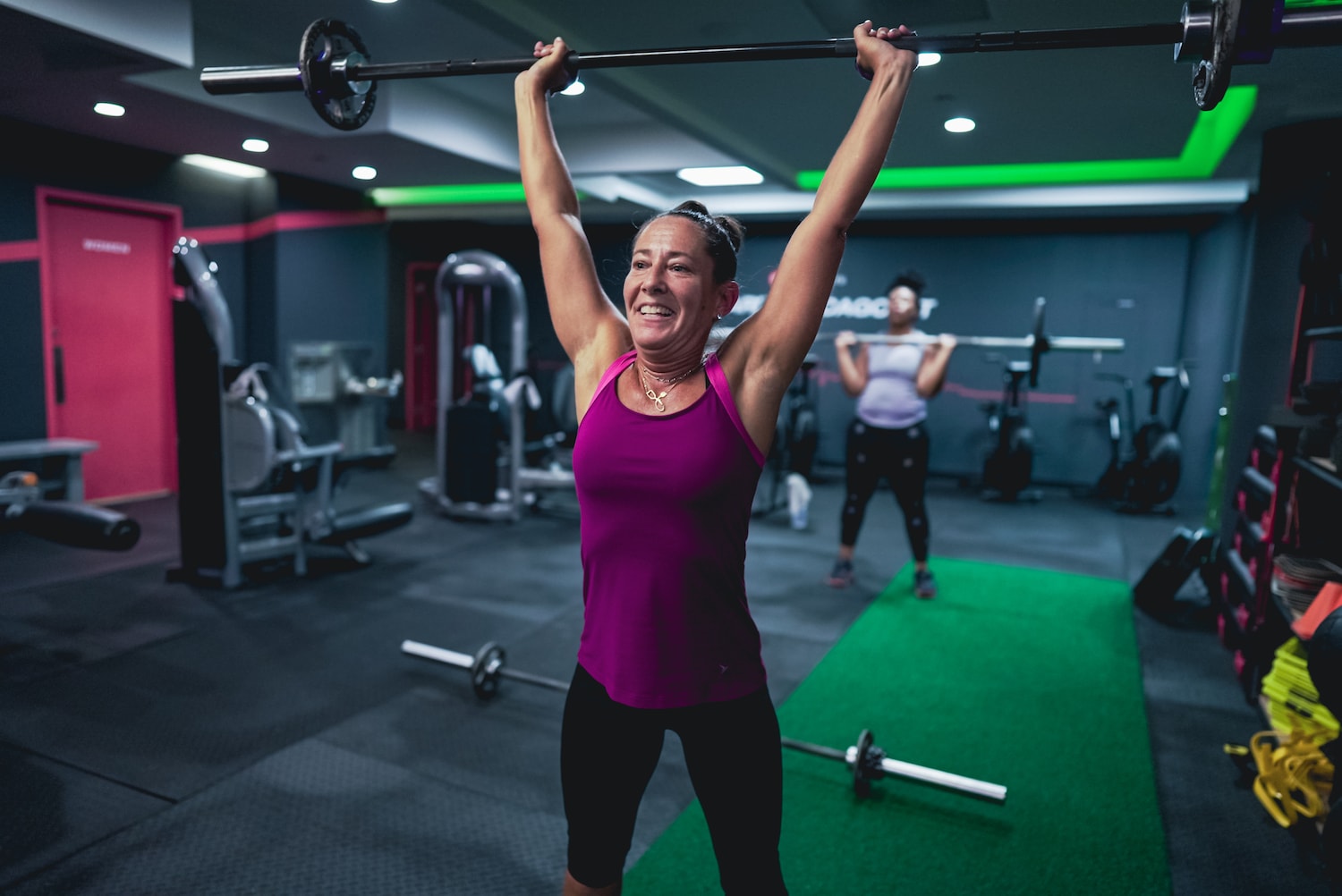
Group fitness classes are structured group workouts led by certified instructors who provide professional guidance, safety instruction, and motivation to help members of all fitness levels achieve their goals. Many classes are designed as full body workouts, targeting multiple muscle groups for comprehensive fitness benefits. These classes cater to total beginners to total addicts, ensuring everyone can find a suitable level of challenge.

Unlike individual gym workouts where you create your own routine, fitness classes offer thoughtfully designed sessions that include a proper warm-up, main workout, and recovery phases. Your instructor is there to guide you every step of the way, ensuring you understand the right movement patterns and offering modifications tailored to your current fitness level. Whether you prefer the energy of an in-person studio or the comfort of joining virtually from home, group fitness classes provide flexible options to fit your lifestyle and help you feel supported on your journey.

These classes differ from personal training because you work out alongside other people, creating a community atmosphere where members encourage each other while still receiving professional instruction and guidance.
Core Elements of Fitness Classes

Professional instructors bring expertise in exercise science, proper form, and safety that helps prevent injury while maximizing results. They track the pace of each class and offer modifications so both beginners and advanced members can participate effectively.

The structured workout progression ensures you warm up properly, work through exercises that build on each other, and cool down adequately for recovery. This eliminates guesswork and helps you use your time efficiently.

This connects to effective fitness experiences because the combination of expert guidance, structured progression, and group energy creates an environment where you’re more likely to push yourself appropriately and stay consistent.

Class Formats and Structures

Most fitness classes run 30-60 minutes and follow a consistent format: dynamic warm-up to prepare your body, main workout focused on the class objectives, and cool-down with stretching or mindfulness elements.

Classes typically offer multiple intensity levels and modification options, so you can work at a pace that challenges you appropriately. Instructors demonstrate high and low-impact versions of movements, allowing members to choose what works best for their body on any given day.

Building on the structured approach, this format supports both beginners who need clear guidance and experienced members who want to be challenged, making group fitness accessible regardless of where you are in your fitness journey.

Transition: Understanding these foundational elements helps explain why specific class types can be so effective for different goals and preferences.

Popular Fitness Class Types

Each type of fitness class targets different aspects of health and wellness, from cardiovascular endurance to strength building to stress relief and mindfulness. Some classes, such as power yoga or strength training, specifically focus on building power and muscle strength.

Cardio-Based Classes

Dance fitness classes like Zumba combine fun choreography with heart-pumping movement, while cycling classes offer high-energy indoor bike workouts with motivating music. HIIT (High-Intensity Interval Training) classes alternate between intense bursts of activity and recovery periods to maximize calorie burn and improve cardiovascular fitness.

These classes excel at increasing energy levels, supporting heart health, and helping members burn calories while having fun. Most cardio classes welcome beginners with modifications for complex movements and options to work at your own pace.

The group energy in cardio classes creates an atmosphere of encouragement where members motivate each other to keep moving, making challenging workouts feel more achievable.

Strength and Resistance Classes

Strength-focused classes like BODYPUMP use lighter weights with high repetition counts to build lean muscle and increase metabolism. Pure Barre combines ballet-inspired movements with strength training to tone muscles and improve posture. Bootcamp-style classes mix functional movements that translate to daily life activities. Jazzercise combines high-energy dance cardio with strength training, Pilates, hip-hop, yoga, and kickboxing, offering a dynamic and engaging workout experience.

Unlike cardio classes that primarily focus on heart rate elevation, these classes work systematically through muscle groups to build strength, improve bone density, and create long-term metabolic benefits.

Equipment varies from free weights and resistance bands to specialized apparatus, with instructors teaching proper form to ensure you get maximum benefit while staying safe.

For clients over 40, I always stress the importance of strength training to counteract muscle loss and maintain functional fitness. This can profoundly impact quality of life as you age.

Mind-Body Classes

Yoga classes range from gentle restorative sessions to challenging vinyasa flows, all emphasizing the connection between breath, movement, and mental clarity. Pilates focuses on core strength, flexibility, and precise movement patterns that improve posture and body awareness. Yoga includes various styles such as Hatha, Vinyasa, and Power Vinyasa, catering to a wide range of preferences and fitness levels.

These classes offer unique benefits for stress relief, flexibility, and mental health that complement more intense workout styles. The mindfulness component helps members develop body awareness and learn to manage stress more effectively.

Many people find that mind-body classes provide the mental space and physical recovery that supports their other fitness activities while building confidence in their body’s capabilities.

Key Points:

  • Cardio classes boost energy and heart health through dynamic movement
  • Strength sessions build muscle and functional movement patterns
  • Mind-body classes improve flexibility, stress management, and body awareness

Transition: With this understanding of class types, you can make an informed decision about which classes align with your goals and interests.

Choosing Your First Fitness Class

Finding the right fitness class involves matching your current fitness level, personal goals, and practical considerations like schedule and location to create a positive experience that you’ll want to continue. Many people also look for classes that help them feel more energy, both physically and mentally, as a key benefit of their fitness journey.

Take the next step and explore local studios—there are exciting opportunities and experiences waiting for you.

Step-by-Step: Finding the Right Class

When to use this: For anyone joining their first group fitness classes or exploring new formats at a different studio or gym. Beginners may also benefit from this beginner's guide to home workouts if they want to exercise at home.

  1. Assess your current fitness level: Honestly evaluate your experience with physical activity, any injuries or limitations, and how much exercise you currently do each week.
  2. Identify your primary goals: Determine whether you want to increase energy, lose weight, build strength, improve flexibility, or focus on mental health and stress relief.
  3. Research local options: Look into gyms and studios in your area, checking their app or website for class schedules, instructor details, and new member offers like unlimited classes for the first month.
  4. Try beginner-friendly classes: Start with introductory sessions or classes specifically marked for new members, where instructors spend more time explaining movements and offering modifications.
  5. Evaluate your experience: After 2-3 sessions, assess how you feel physically, whether you enjoyed the instructor’s style, and if the class atmosphere feels supportive and welcoming.

Comparison: Gym Classes vs Boutique Studios
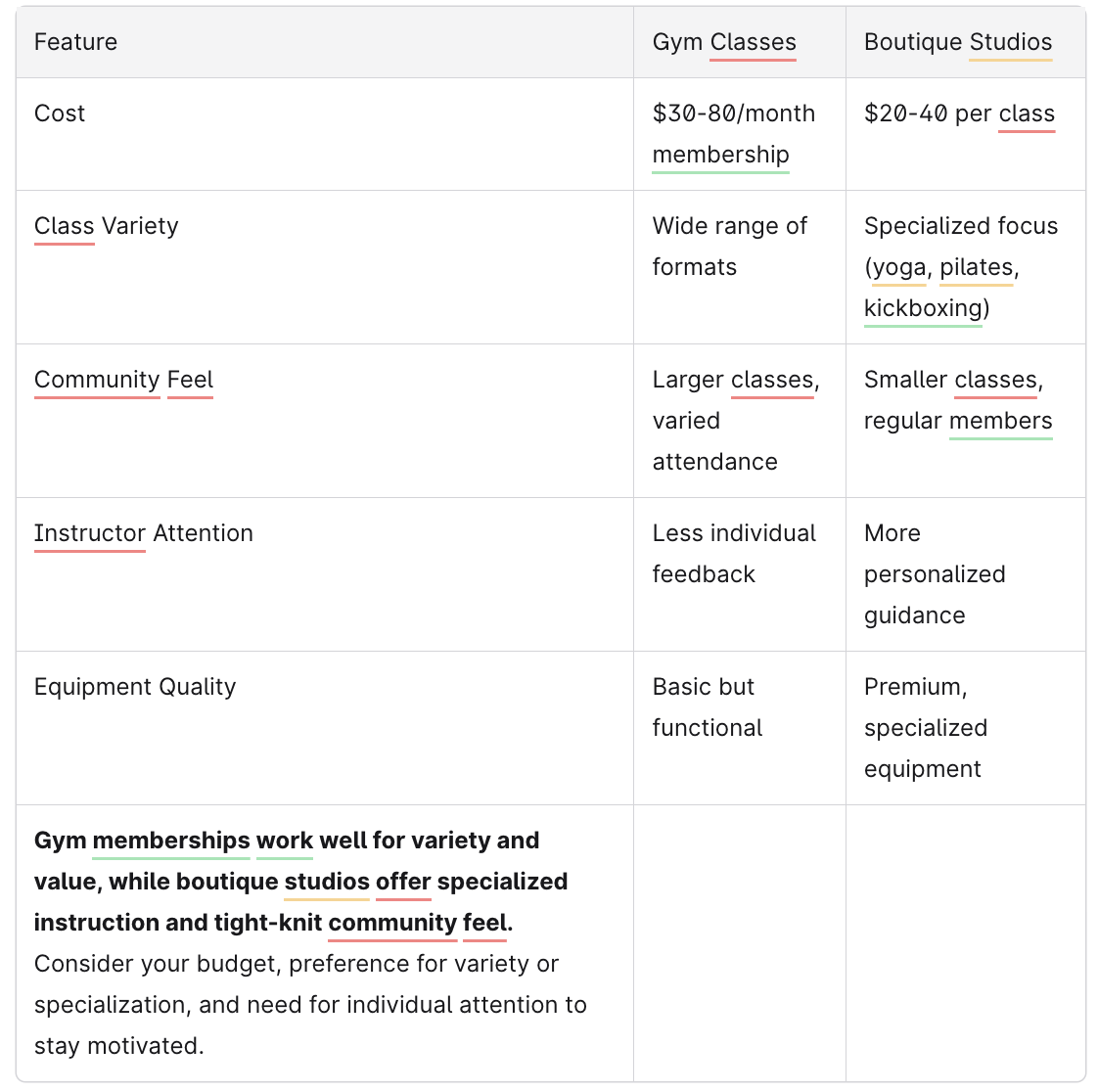
Gym memberships work well for variety and value, while boutique studios offer specialized instruction and tight-knit community feel. Consider your budget, preference for variety or specialization, and need for individual attention to stay motivated.

Transition: Even with the right choice of location and class type, new members often encounter predictable challenges that have straightforward solutions.

Common Challenges and Solutions

These concerns are completely normal for people starting their group fitness journey, and instructors expect new members to need time to find their rhythm and confidence.

In fact, some fitness communities, like Jazzercise, foster a sister-like bond among members, providing emotional support and encouragement that helps everyone feel welcome and supported.

Challenge 1: Feeling Intimidated or Out of Place

Solution: Arrive 10-15 minutes early to meet the instructor, let them know you’re new, and ask about modifications. Focus on your own movement and progress rather than comparing yourself to others in class.

Most members are concentrating on their own workout and actually appreciate seeing new people join the community. Instructors want you to succeed and will offer encouragement and adjustments to help you feel comfortable.

Challenge 2: Can’t Keep Up with Class Pace

Solution: Use the modifications demonstrated by the instructor, take water breaks when needed, and remember that building endurance takes several weeks of consistent participation.

Every experienced member started exactly where you are now, and gradual improvement is the goal rather than immediately matching the pace of people who have been taking classes for months or years.

Challenge 3: Schedule Conflicts and Consistency

Solution: Block class times in your calendar like important appointments, try classes at different times to find what works with your life, and consider studios that offer online options for busy weeks.

Many studios have apps that let you easily track your schedule and sign up for classes, making it simpler to plan ahead and stay consistent with your fitness routine.

Transition: With these practical strategies, you’re ready to take action and start your group fitness journey.

Nutrition Tips for Fitness Classes

From my experience as a nutrition coach, what you eat before your workout can significantly impact your performance and recovery. The ideal pre-workout nutrition depends on the type and intensity of the class.

  • For cardio or high-intensity interval training, focus on easily digestible carbohydrates and some protein about 30-60 minutes before class to fuel sustained energy.
  • For strength or resistance training, include a balance of carbs and protein to support muscle function and repair.
  • Mind-body classes like yoga or Pilates may require lighter snacks or just hydration, depending on timing.

Hydration is essential regardless of class type. Drink water before, during, and after your workout to maintain performance and aid recovery.

Conclusion and Next Steps

Group fitness classes provide the structure, professional instruction, and community support that help people at every fitness level achieve their goals more effectively than working out alone. The combination of expert guidance, social encouragement, and variety keeps workouts engaging while ensuring you exercise safely and see results.

To get started:

  1. Research 2-3 local options that offer classes matching your interests and schedule, and look for new member specials or trial packages. Orangetheory, for example, offers a free class for first-time visitors and local residents aged 18 years and older.
  2. Try intro classes or day passes before committing to a membership, giving yourself permission to explore different formats and instructors.
  3. Set realistic attendance goals of 2-3 classes per week and track how you feel both physically and mentally after several weeks.
  1. Research 2-3 local options that offer classes matching your interests and schedule, and look for new member specials or trial packages
  2. Try intro classes or day passes before committing to a membership, giving yourself permission to explore different formats and instructors
  3. Set realistic attendance goals of 2-3 classes per week and track how you feel both physically and mentally after several weeks

For added convenience, download the studio or gym app to book classes, track your progress, and access exclusive features.

Remember, the right training combined with proper nutrition tailored to your needs will help you build strength, maintain muscle, and enjoy a healthier life as you age.

Before signing up for any membership, promotion, or special offer, be sure to review the terms and conditions to understand all eligibility requirements and restrictions.

Related Topics: Consider personal training sessions for additional one-on-one guidance with form and technique, and explore nutrition planning to support your fitness goals and maximize the energy and strength gains from your classes. Also, check out our blog for the latest trends and news in fitness.

Fitness Classes in Chicago South Loop: Your Complete Guide to Types, Benefits, and How to Choose

Introduction

As a personal trainer with over 20 years of experience and a gym owner for 12 years, I’ve seen firsthand how the right fitness classes can transform lives. I still remember when one of my clients found a barre class that was a perfect fit for her—she shared how it reignited her motivation and made her look forward to every session. However, it’s crucial to understand that what works best varies from person to person. My advice to clients and readers alike is to focus on doing the thing that suits your body, goals, and lifestyle—because consistency and appropriateness are what truly deliver results.

For those aged 40 and over, extra care is needed in selecting workouts. Strength training becomes especially important as we naturally lose muscle mass with age. Incorporating more resistance work helps maintain muscle, bone density, and overall vitality. Alongside training, proper nutrition is key. As a nutrition coach and specialist, I emphasize that eating the right foods before your workout depends on the type of exercise you plan to do—fueling your body correctly optimizes performance and recovery.

Whether you’re a beginner or an experienced member exploring new formats, this guide will help you understand different classes, how to choose what fits your needs, and the importance of combining training with sound nutrition.

What This Guide Covers

This comprehensive guide covers the essential details about exercise classes, including major class types (cardio, strength, and mind-body), how to choose based on your goals and experience level, and what to expect during your first weeks. We focus on group fitness offerings at studios and gyms, but don’t cover personal training or home workout apps.

Who This Is For

This guide is designed for new clients considering their first class experience, active people exploring different workout formats, and anyone returning to group fitness after a break. Whether you’re looking to increase energy, build strength, or find a supportive fitness community, you’ll discover practical guidance for making the right choice.

Why This Matters

Group fitness classes provide structured workouts with professional instruction that help you exercise safely and effectively while building confidence and consistency. These classes have helped many clients improve both their physical and mental health, leading to lasting positive changes. The community aspect and encouragement from instructors and other members can transform your relationship with physical activity and help you achieve results that might feel challenging to reach alone. Additionally, the social interaction in fitness classes can lead to improved mood and reduced stress levels. Many members develop a love for the workouts and the supportive environment, which keeps them coming back and staying motivated.

What You’ll Learn:

  • Core elements that make fitness classes effective for all fitness levels
  • Popular class types and how each works to meet different goals
  • Step-by-step process for choosing and joining your first classes
  • Common challenges new clients face and practical solutions

Understanding Fitness Classes

Group fitness classes are structured group workouts led by certified instructors who provide professional guidance, safety instruction, and motivation to help members of all fitness levels achieve their goals. Many classes are designed as full body workouts, targeting multiple muscle groups for comprehensive fitness benefits. These classes cater to total beginners to total addicts, ensuring everyone can find a suitable level of challenge.

Unlike individual gym workouts where you create your own routine, fitness classes offer thoughtfully designed sessions that include a proper warm-up, main workout, and recovery phases. Your instructor is there to guide you every step of the way, ensuring you understand the right movement patterns and offering modifications tailored to your current fitness level. Whether you prefer the energy of an in-person studio or the comfort of joining virtually from home, group fitness classes provide flexible options to fit your lifestyle and help you feel supported on your journey.

These classes differ from personal training because you work out alongside other people, creating a community atmosphere where members encourage each other while still receiving professional instruction and guidance.

Core Elements of Fitness Classes

Professional instructors bring expertise in exercise science, proper form, and safety that helps prevent injury while maximizing results. They track the pace of each class and offer modifications so both beginners and advanced members can participate effectively.

The structured workout progression ensures you warm up properly, work through exercises that build on each other, and cool down adequately for recovery. This eliminates guesswork and helps you use your time efficiently.

This connects to effective fitness experiences because the combination of expert guidance, structured progression, and group energy creates an environment where you’re more likely to push yourself appropriately and stay consistent.

Class Formats and Structures

Most fitness classes run 30-60 minutes and follow a consistent format: dynamic warm-up to prepare your body, main workout focused on the class objectives, and cool-down with stretching or mindfulness elements.

Classes typically offer multiple intensity levels and modification options, so you can work at a pace that challenges you appropriately. Instructors demonstrate high and low-impact versions of movements, allowing members to choose what works best for their body on any given day.

Building on the structured approach, this format supports both beginners who need clear guidance and experienced members who want to be challenged, making group fitness accessible regardless of where you are in your fitness journey.

Transition: Understanding these foundational elements helps explain why specific class types can be so effective for different goals and preferences.

Popular Fitness Class Types

Each type of fitness class targets different aspects of health and wellness, from cardiovascular endurance to strength building to stress relief and mindfulness. Some classes, such as power yoga or strength training, specifically focus on building power and muscle strength.

Cardio-Based Classes

Dance fitness classes like Zumba combine fun choreography with heart-pumping movement, while cycling classes offer high-energy indoor bike workouts with motivating music. HIIT (High-Intensity Interval Training) classes alternate between intense bursts of activity and recovery periods to maximize calorie burn and improve cardiovascular fitness.

These classes excel at increasing energy levels, supporting heart health, and helping members burn calories while having fun. Most cardio classes welcome beginners with modifications for complex movements and options to work at your own pace.

The group energy in cardio classes creates an atmosphere of encouragement where members motivate each other to keep moving, making challenging workouts feel more achievable.

Strength and Resistance Classes

Strength-focused classes like BODYPUMP use lighter weights with high repetition counts to build lean muscle and increase metabolism. Pure Barre combines ballet-inspired movements with strength training to tone muscles and improve posture. Bootcamp-style classes mix functional movements that translate to daily life activities. Jazzercise combines high-energy dance cardio with strength training, Pilates, hip-hop, yoga, and kickboxing, offering a dynamic and engaging workout experience.

Unlike cardio classes that primarily focus on heart rate elevation, these classes work systematically through muscle groups to build strength, improve bone density, and create long-term metabolic benefits.

Equipment varies from free weights and resistance bands to specialized apparatus, with instructors teaching proper form to ensure you get maximum benefit while staying safe.

For clients over 40, I always stress the importance of strength training to counteract muscle loss and maintain functional fitness. This can profoundly impact quality of life as you age.

Mind-Body Classes

Yoga classes range from gentle restorative sessions to challenging vinyasa flows, all emphasizing the connection between breath, movement, and mental clarity. Pilates focuses on core strength, flexibility, and precise movement patterns that improve posture and body awareness. Yoga includes various styles such as Hatha, Vinyasa, and Power Vinyasa, catering to a wide range of preferences and fitness levels.

These classes offer unique benefits for stress relief, flexibility, and mental health that complement more intense workout styles. The mindfulness component helps members develop body awareness and learn to manage stress more effectively.

Many people find that mind-body classes provide the mental space and physical recovery that supports their other fitness activities while building confidence in their body’s capabilities.

Key Points:

  • Cardio classes boost energy and heart health through dynamic movement
  • Strength sessions build muscle and functional movement patterns
  • Mind-body classes improve flexibility, stress management, and body awareness

Transition: With this understanding of class types, you can make an informed decision about which classes align with your goals and interests.

Choosing Your First Fitness Class

Finding the right fitness class involves matching your current fitness level, personal goals, and practical considerations like schedule and location to create a positive experience that you’ll want to continue. Many people also look for classes that help them feel more energy, both physically and mentally, as a key benefit of their fitness journey.

Take the next step and explore local studios—there are exciting opportunities and experiences waiting for you.

Step-by-Step: Finding the Right Class

When to use this: For anyone joining their first group fitness classes or exploring new formats at a different studio or gym. Beginners may also benefit from this beginner's guide to home workouts if they want to exercise at home.

  1. Assess your current fitness level: Honestly evaluate your experience with physical activity, any injuries or limitations, and how much exercise you currently do each week.
  2. Identify your primary goals: Determine whether you want to increase energy, lose weight, build strength, improve flexibility, or focus on mental health and stress relief.
  3. Research local options: Look into gyms and studios in your area, checking their app or website for class schedules, instructor details, and new member offers like unlimited classes for the first month.
  4. Try beginner-friendly classes: Start with introductory sessions or classes specifically marked for new members, where instructors spend more time explaining movements and offering modifications.
  5. Evaluate your experience: After 2-3 sessions, assess how you feel physically, whether you enjoyed the instructor’s style, and if the class atmosphere feels supportive and welcoming.

Comparison: Gym Classes vs Boutique Studios

Gym memberships work well for variety and value, while boutique studios offer specialized instruction and tight-knit community feel. Consider your budget, preference for variety or specialization, and need for individual attention to stay motivated.

Transition: Even with the right choice of location and class type, new members often encounter predictable challenges that have straightforward solutions.

Common Challenges and Solutions

These concerns are completely normal for people starting their group fitness journey, and instructors expect new members to need time to find their rhythm and confidence.

In fact, some fitness communities, like Jazzercise, foster a sister-like bond among members, providing emotional support and encouragement that helps everyone feel welcome and supported.

Challenge 1: Feeling Intimidated or Out of Place

Solution: Arrive 10-15 minutes early to meet the instructor, let them know you’re new, and ask about modifications. Focus on your own movement and progress rather than comparing yourself to others in class.

Most members are concentrating on their own workout and actually appreciate seeing new people join the community. Instructors want you to succeed and will offer encouragement and adjustments to help you feel comfortable.

Challenge 2: Can’t Keep Up with Class Pace

Solution: Use the modifications demonstrated by the instructor, take water breaks when needed, and remember that building endurance takes several weeks of consistent participation.

Every experienced member started exactly where you are now, and gradual improvement is the goal rather than immediately matching the pace of people who have been taking classes for months or years.

Challenge 3: Schedule Conflicts and Consistency

Solution: Block class times in your calendar like important appointments, try classes at different times to find what works with your life, and consider studios that offer online options for busy weeks.

Many studios have apps that let you easily track your schedule and sign up for classes, making it simpler to plan ahead and stay consistent with your fitness routine.

Transition: With these practical strategies, you’re ready to take action and start your group fitness journey.

Nutrition Tips for Fitness Classes

From my experience as a nutrition coach, what you eat before your workout can significantly impact your performance and recovery. The ideal pre-workout nutrition depends on the type and intensity of the class.

  • For cardio or high-intensity interval training, focus on easily digestible carbohydrates and some protein about 30-60 minutes before class to fuel sustained energy.
  • For strength or resistance training, include a balance of carbs and protein to support muscle function and repair.
  • Mind-body classes like yoga or Pilates may require lighter snacks or just hydration, depending on timing.

Hydration is essential regardless of class type. Drink water before, during, and after your workout to maintain performance and aid recovery.

Conclusion and Next Steps

Group fitness classes provide the structure, professional instruction, and community support that help people at every fitness level achieve their goals more effectively than working out alone. The combination of expert guidance, social encouragement, and variety keeps workouts engaging while ensuring you exercise safely and see results.

To get started:

  1. Research 2-3 local options that offer classes matching your interests and schedule, and look for new member specials or trial packages. Orangetheory, for example, offers a free class for first-time visitors and local residents aged 18 years and older.
  2. Try intro classes or day passes before committing to a membership, giving yourself permission to explore different formats and instructors.
  3. Set realistic attendance goals of 2-3 classes per week and track how you feel both physically and mentally after several weeks.
  1. Research 2-3 local options that offer classes matching your interests and schedule, and look for new member specials or trial packages
  2. Try intro classes or day passes before committing to a membership, giving yourself permission to explore different formats and instructors
  3. Set realistic attendance goals of 2-3 classes per week and track how you feel both physically and mentally after several weeks

For added convenience, download the studio or gym app to book classes, track your progress, and access exclusive features.

Remember, the right training combined with proper nutrition tailored to your needs will help you build strength, maintain muscle, and enjoy a healthier life as you age.

Before signing up for any membership, promotion, or special offer, be sure to review the terms and conditions to understand all eligibility requirements and restrictions.

Related Topics: Consider personal training sessions for additional one-on-one guidance with form and technique, and explore nutrition planning to support your fitness goals and maximize the energy and strength gains from your classes. Also, check out our blog for the latest trends and news in fitness.

Luis Centeno

Luis Centeno is the Founder, Owner + Lead Trainer at FIT RESULTS ®️ Second Chance turned entrepreneur Changing lives through fitness. Master Trainer Certified (Personal Training, Strength Training Specialist, Nutrition Specialist, Endurance Specialist, Nutrition Coach, S + C Coach. Passionate about helping others reach their personal goals. The more lives I can help change, the better I feel about the big task that is at hand to make the world a better place.

looking for a gym
In the chicago area?

GET A FREE CONSULTATION