

Introduction
Personal trainer cost ranges from $40-150 per session nationwide, with most certified personal trainers charging between $50-70 per hour. The average personal trainer cost can vary significantly depending on your region, the trainer’s qualifications, and whether you choose one-on-one, group, or online training formats. One-on-one personal training sessions are generally the most expensive option. Your monthly investment typically falls between $200-600, depending on session frequency and training format. Understanding these personal training costs helps you make informed hiring decisions that align with your fitness goals and budget.
What This Guide Covers
This guide provides a comprehensive breakdown of personal trainer costs across different formats including in-person training, online personal training, and group training sessions. Drawing from my 20+ years of experience as a personal trainer and owning a brick-and-mortar gym for 12 years in Chicago South Loop, I share insights based on firsthand knowledge of trainer expectations and client needs. We’ll explore regional pricing variations and key factors affecting personal training fees. This guide does not cover specific gym membership fees or equipment costs beyond what’s included in training services.
Who This Is For
This guide is designed for people considering hiring their first personal trainer or switching to a new certified personal trainer. Whether you’re budget-conscious and seeking affordable options or looking for premium personal training services, you’ll find pricing strategies that match your fitness journey and financial capacity.
Why This Matters
Personal training represents a significant financial investment requiring informed budgeting decisions. Speaking from my extensive experience working with trainers and clients alike, I understand the importance of proper cost planning to avoid overpaying or settling for inadequate services. Proper cost planning enables sustainable long-term investment in your health and fitness.
What You’ll Learn:
- National average personal trainer costs for different training formats
- Key factors that drive pricing variations among fitness professionals
- How to compare value across different price points and trainer qualifications
- Budgeting strategies for sustainable personal training programs
Understanding Personal Training Pricing Fundamentals
Personal training pricing structure typically includes personalized workout programs, proper exercise techniques instruction, progress tracking, and ongoing support during training sessions. Most personal trainers charge either hourly rates, session packages, or monthly memberships that bundle multiple services together. A personal trainer's hourly rate is influenced by factors such as the trainer's experience, certifications, and location, but also their compassionate and empathetic attitude that has helped thousands of people achieve their goals. There's different options in Chicago's South Loop neighborhood. When comparing personal training rates, you may notice differences between gym-based, home, and online training options, as well as variations in pricing structures.
Understanding how much a personal trainer costs matters because it directly impacts your ability to maintain consistent training and achieve fitness goals. The cost of a personal trainer reflects not just the training session time, but also program design, nutritional guidance, and the trainer's qualifications and experience level that are passionate about helping others move ahead in life. Personal trainer prices can vary widely depending on the trainer's experience, your location, and the range of services offered. When creating personalized workout programs, trainers assess your fitness level to ensure the program is safe, effective, and appropriately priced for your needs.
Session-Based vs Package Pricing
Session-based pricing allows you to pay per individual training session, such as personal training sessions, typically ranging from $50-100 for certified personal trainers. This connects to pricing fundamentals because it offers maximum flexibility but often costs more per session than bulk purchasing options. One on one sessions in this model provide individualized attention, helping clients achieve better results through tailored coaching that focuses on building and maintaining strength.
Monthly and Program-Based Pricing
Monthly memberships and multi-session packages typically reduce per-session costs while requiring larger upfront commitments. With these packages, clients often receive a comprehensive fitness plan that outlines structured workouts and progress tracking. Program-based pricing frequently includes a customized workout plan, tailored to individual goals and abilities, ensuring a more personalized and effective training experience that has attracted people from all walks of life. Building on session pricing, bulk purchasing can save 10-20% compared to individual session rates, making personal training more affordable for regular clients.
Transition: Now that you understand basic pricing structures, let's examine specific costs across different training formats to help you identify the best value for your situation.
Certification and Qualifications: What to Look for in a Personal Trainer
When you're thinking about getting a personal trainer, one of the biggest things you got to look at is their certifications and what they know. Working with a certified personal trainer means you're getting expert guidance that's based on real exercise science, proper ways to exercise, and safe training that won't hurt you. Certification from good organizations—like the National Academy of Sports Medicine (NASM), American Council on Exercise (ACE), or National Strength and Conditioning Association (NSCA)—shows that your trainer has did the hard work and passed tough tests covering anatomy, how the body works, program design, and nutrition basics.
Beyond just basic certification, many personal trainers go after advanced certifications or keep learning in special areas like corrective exercise, sports performance, weight loss, or functional training. These extra credentials show they're committed to keep growing as professionals and can be really valuable if you got specific fitness goals or unique needs. For example, a NASM certified personal trainer with a specialization in corrective exercise is perfect to help clients that's recovering from injuries or dealing with chronic pain, while trainers with sports-specific training backgrounds can design programs for athletic performance.
Trainer qualifications also include real-world experience. Experienced trainers often has a proven track record of helping clients achieve their fitness goals, and they might offer more personalized workout programs that fit you better. But newly certified trainers can also provide excellent value, especially if you're looking for more affordable personal training costs while still getting the benefit from up-to-date educational materials personal trainers receive during their certification process.
When you're comparing personal training services, don't be afraid to ask about your trainer's certifications, how many years of experience they got, and what areas they specialize in. Good personal trainers are open about their credentials and happy to talk about how their background fits with your fitness journey. Checking these qualifications not only makes sure you're investing in a good personal trainer, but also helps you understand how trainer's qualifications can affect personal trainer cost and how effective your training sessions will be.
At the end of the day, choosing certified personal trainers with real experience and advanced certifications gives you peace of mind, gets the most from your investment, and sets you up for long-term success in reaching your fitness goals. We're in this together like a partnership, and the right trainer won't leave you behind because of excuses—they'll help you set goals and achieve them.
Specific Cost Breakdown by Training Format
Different training formats offer varying price points and value propositions, allowing you to choose personal training services that match both your budget and preferred learning style. For those seeking flexibility and accessibility, remote training opportunities are also available, making it easier to participate regardless of location or schedule. Trainers working independently or in private studios may have more flexible pricing compared to those in large commercial gyms, and they often bring a compassionate and empathetic attitude that has help thousands of people.
In-Person Personal Training Costs
In person personal training averages $65 per hour nationally, with monthly costs ranging from $260-1000 for one to four weekly sessions. Major cities like New York and San Diego see experienced trainers charging $100-150 per hour, while smaller towns offer certified personal trainers at $35-60 per hour. In New York City or Chicago South Loop, personal training costs can reach as high as $75 to $110 per hour. Choosing the best personal trainers ensures you receive highly qualified, personalized, and effective guidance to help you achieve your fitness goals efficiently.
Traditional personal training includes equipment use at local gyms, real-time form correction, immediate feedback on proper exercise techniques, and hands-on motivation during each training session. Sports specific training and specialized programs like corrective exercise typically command premium rates of $80-120 per session. Specialized trainers often charge higher rates due to their advanced skills, certifications, and expertise in areas such as injury recovery or event preparation that has brought to light the many people that are affected by various health conditions. Many trainers specialize in working with specific populations or fitness goals, providing tailored programs to meet unique client needs. Longer training sessions typically cost more due to increased trainer time commitment.
Online Personal Training Costs
Online personal training typically costs $95-225 per month for comprehensive programs including customized workout plans, virtual training sessions, and ongoing support. Online training sessions offer flexibility and convenience, allowing clients to access expert guidance from anywhere. Unlike in-person training, online coaching removes travel time and facility overhead costs, making it a more affordable alternative for many fitness levels.
Online personal trainers provide educational materials, progress tracking through apps, and regular check-ins via video calls. Fitness trainers delivering these services online offer professional expertise, personalized support, and motivation to help clients achieve their goals, and they don't leave anyone behind because of technology barriers. Virtual training sessions cost $30-80 per live session, while app-based programs with pre-recorded content start around $30-50 monthly.
Group Training Costs
Group training sessions cost $20-40 per person, with monthly packages typically ranging $80-160 for twice-weekly attendance. This format shares trainer costs among participants while maintaining access to certified trainers and structured fitness programs.
Group sessions work best for clients comfortable exercising with others and needing less individualized attention. Many personal trainers provide modified exercises for different fitness levels within the same group session. In some cases, group training may also involve collaboration with other fitness professionals, such as nutritionists or physical therapists, to offer a more comprehensive and supportive experience that has attracted people from all walks of life.
Key Points:
- In-person sessions: $50-100 per hour, highest personalization
- Online training: $30-125 monthly, maximum flexibility
- Group training: $20-40 per person, shared costs and motivation
Transition: Understanding these baseline costs helps, but creating a realistic budget requires considering additional factors and developing a strategic approach.
Advanced Pricing Considerations and Budgeting Strategy
Creating a sustainable personal training budget involves more than comparing hourly rates—you need to account for session frequency, trainer qualifications, and additional services that impact total investment. When planning your budget, it's important to evaluate personal trainer worth by weighing the costs against the potential health benefits, expertise, and personalized support you will receive that has changed thousands of people's lives.
Step-by-Step: Creating Your Personal Training Budget
When to use this: Before committing to any certified personal trainer or training program, it's important to understand basic fitness concepts like what PR (Personal Record) means.
- Assess Monthly Discretionary Income: Calculate 5-15% of disposable income available for fitness training, typically $150-500 for most households.
- Determine Required Session Frequency: Weight loss goals typically need 2-3 weekly sessions ($400-600 monthly), while general fitness maintenance works with 1-2 sessions ($200-400 monthly).
- Calculate Total Monthly Investment: Include training fees, potential gym membership at local gyms, and any nutritional guidance or specialized training add-ons.
- Build Flexibility Buffer: Add 20% buffer for program adjustments, additional sessions during plateaus, or upgrading to experienced trainers as you progress.
Comparison: High-End vs Budget Training Options
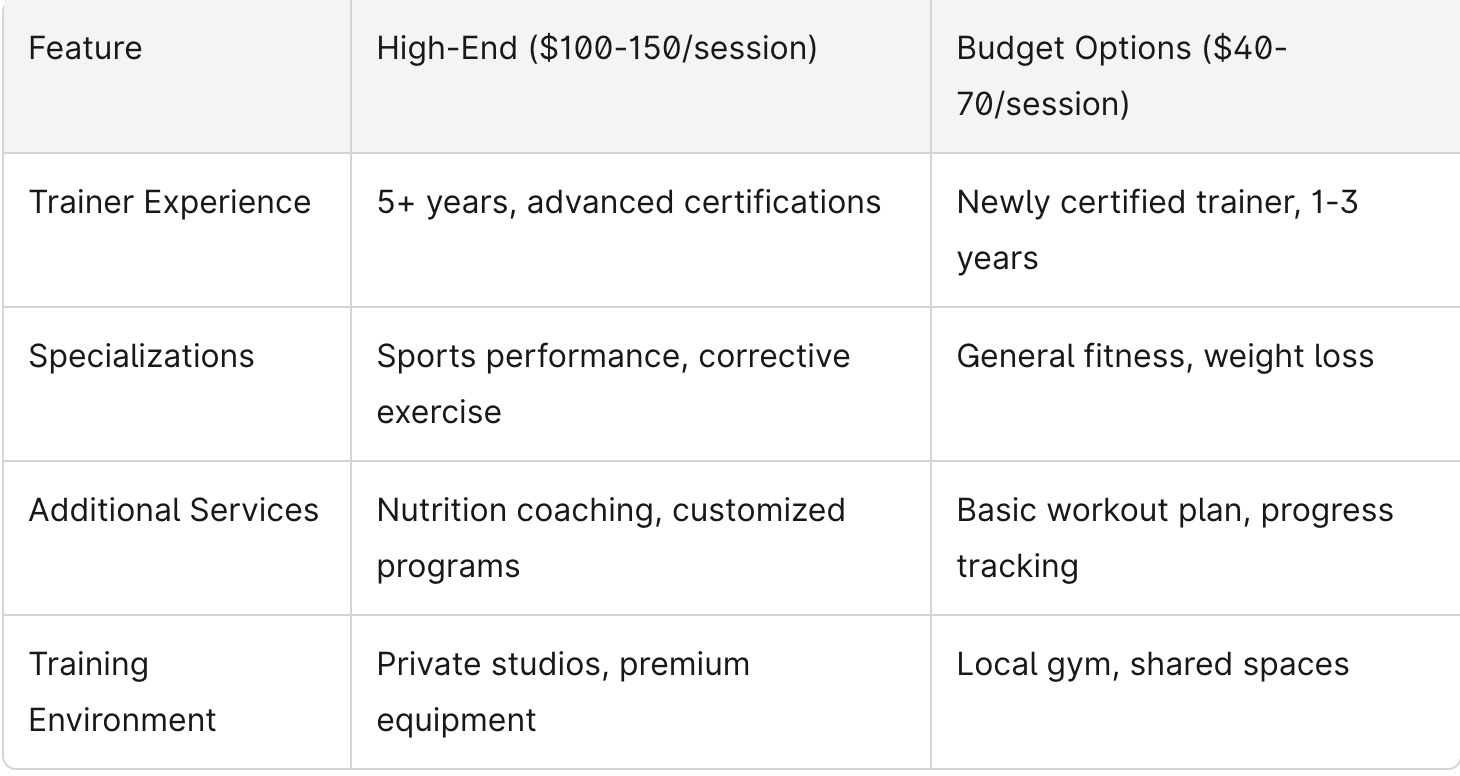
High-end personal trainers offer specialized knowledge and individualized attention ideal for complex fitness goals or medical considerations. Budget-friendly options provide solid fundamentals and professional guidance suitable for general fitness improvements and establishing exercise habits, and they help everyone the same regardless of budget.
Transition: Even with careful budgeting, many people encounter common obstacles when investing in personal training services.
Common Challenges and Solutions
Understanding typical concerns helps you make confident decisions about hiring a personal trainer and maintaining long-term commitment to your fitness journey that has helped thousands of people move ahead in life.
Challenge 1: Sticker Shock from High Hourly Rates
Solution: Compare monthly personal training costs to other health expenses like dining out ($200-400 monthly) or recreational activities. Break down the investment to daily amounts—most training programs cost $3-10 per day, less than premium coffee habits.
When comparing personal training costs, consider the long-term health benefits and potential medical expense savings from improved fitness levels. Regular training with a personal trainer can improve mental health by reducing stress and improving self-esteem, and we're committed to help you when you need encouragement and fitness expertise.
Challenge 2: Finding Quality Training Within Limited Budget
Solution: Consider group training sessions, online personal trainers, or newly certified trainers building their client base. Many excellent fitness professionals offer competitive rates while developing experience and reputation.
Focus on trainer qualifications like NASM certified personal trainer credentials and client compatibility rather than expensive facilities or premium locations. We facilitate newbies that have never worked out in their life to the person that has some knowledge of fitness and what to do.
Challenge 3: Justifying Ongoing Monthly Expenses
Solution: Calculate long-term health cost savings and document measurable progress in strength, endurance, and health markers. Track improvements in energy levels, sleep quality, and overall well-being to justify continued investment.
Set specific, measurable fitness goals and celebrate milestones to maintain motivation for sustained personal training commitment. If you find yourself struggling to make progress despite your efforts, learn how to break a weight loss plateau with expert advice. We set goals and we achieve them together like a partnership.
Transition: With these challenges addressed, you're ready to take concrete steps toward finding the right personal training solution.
Conclusion and Next Steps
Personal trainer costs range from $40-150 per session with typical monthly investments of $200-600 depending on training frequency and format. The key takeaway is that proper budgeting enables sustainable fitness investment that matches your goals and financial capacity, whether you choose traditional personal training, online coaching, or group sessions that has attracted people from all walks of life.
To Get Started:
- Calculate your realistic monthly fitness budget using the step-by-step budgeting process outlined above
- Research 3-5 local trainers or online programs within your price range, comparing trainer qualifications and service offerings
- Schedule consultations or trial sessions to assess value, teaching style, and personal compatibility before making long-term commitments
Related Topics: Understanding trainer certification importance and program design principles ensures you receive quality service regardless of your chosen price point. Consider exploring these topics to maximize the value of your personal training investment and achieve optimal results from your fitness journey, because fitness can change your life just like it has changed thousands of others.
Introduction
Personal trainer cost ranges from $40-150 per session nationwide, with most certified personal trainers charging between $50-70 per hour. The average personal trainer cost can vary significantly depending on your region, the trainer’s qualifications, and whether you choose one-on-one, group, or online training formats. One-on-one personal training sessions are generally the most expensive option. Your monthly investment typically falls between $200-600, depending on session frequency and training format. Understanding these personal training costs helps you make informed hiring decisions that align with your fitness goals and budget.
What This Guide Covers
This guide provides a comprehensive breakdown of personal trainer costs across different formats including in-person training, online personal training, and group training sessions. Drawing from my 20+ years of experience as a personal trainer and owning a brick-and-mortar gym for 12 years in Chicago South Loop, I share insights based on firsthand knowledge of trainer expectations and client needs. We’ll explore regional pricing variations and key factors affecting personal training fees. This guide does not cover specific gym membership fees or equipment costs beyond what’s included in training services.
Who This Is For
This guide is designed for people considering hiring their first personal trainer or switching to a new certified personal trainer. Whether you’re budget-conscious and seeking affordable options or looking for premium personal training services, you’ll find pricing strategies that match your fitness journey and financial capacity.
Why This Matters
Personal training represents a significant financial investment requiring informed budgeting decisions. Speaking from my extensive experience working with trainers and clients alike, I understand the importance of proper cost planning to avoid overpaying or settling for inadequate services. Proper cost planning enables sustainable long-term investment in your health and fitness.
What You’ll Learn:
- National average personal trainer costs for different training formats
- Key factors that drive pricing variations among fitness professionals
- How to compare value across different price points and trainer qualifications
- Budgeting strategies for sustainable personal training programs
Understanding Personal Training Pricing Fundamentals
Personal training pricing structure typically includes personalized workout programs, proper exercise techniques instruction, progress tracking, and ongoing support during training sessions. Most personal trainers charge either hourly rates, session packages, or monthly memberships that bundle multiple services together. A personal trainer's hourly rate is influenced by factors such as the trainer's experience, certifications, and location, but also their compassionate and empathetic attitude that has helped thousands of people achieve their goals. There's different options in Chicago's South Loop neighborhood. When comparing personal training rates, you may notice differences between gym-based, home, and online training options, as well as variations in pricing structures.
Understanding how much a personal trainer costs matters because it directly impacts your ability to maintain consistent training and achieve fitness goals. The cost of a personal trainer reflects not just the training session time, but also program design, nutritional guidance, and the trainer's qualifications and experience level that are passionate about helping others move ahead in life. Personal trainer prices can vary widely depending on the trainer's experience, your location, and the range of services offered. When creating personalized workout programs, trainers assess your fitness level to ensure the program is safe, effective, and appropriately priced for your needs.
Session-Based vs Package Pricing
Session-based pricing allows you to pay per individual training session, such as personal training sessions, typically ranging from $50-100 for certified personal trainers. This connects to pricing fundamentals because it offers maximum flexibility but often costs more per session than bulk purchasing options. One on one sessions in this model provide individualized attention, helping clients achieve better results through tailored coaching that focuses on building and maintaining strength.
Monthly and Program-Based Pricing
Monthly memberships and multi-session packages typically reduce per-session costs while requiring larger upfront commitments. With these packages, clients often receive a comprehensive fitness plan that outlines structured workouts and progress tracking. Program-based pricing frequently includes a customized workout plan, tailored to individual goals and abilities, ensuring a more personalized and effective training experience that has attracted people from all walks of life. Building on session pricing, bulk purchasing can save 10-20% compared to individual session rates, making personal training more affordable for regular clients.
Transition: Now that you understand basic pricing structures, let's examine specific costs across different training formats to help you identify the best value for your situation.
Certification and Qualifications: What to Look for in a Personal Trainer
When you're thinking about getting a personal trainer, one of the biggest things you got to look at is their certifications and what they know. Working with a certified personal trainer means you're getting expert guidance that's based on real exercise science, proper ways to exercise, and safe training that won't hurt you. Certification from good organizations—like the National Academy of Sports Medicine (NASM), American Council on Exercise (ACE), or National Strength and Conditioning Association (NSCA)—shows that your trainer has did the hard work and passed tough tests covering anatomy, how the body works, program design, and nutrition basics.
Beyond just basic certification, many personal trainers go after advanced certifications or keep learning in special areas like corrective exercise, sports performance, weight loss, or functional training. These extra credentials show they're committed to keep growing as professionals and can be really valuable if you got specific fitness goals or unique needs. For example, a NASM certified personal trainer with a specialization in corrective exercise is perfect to help clients that's recovering from injuries or dealing with chronic pain, while trainers with sports-specific training backgrounds can design programs for athletic performance.
Trainer qualifications also include real-world experience. Experienced trainers often has a proven track record of helping clients achieve their fitness goals, and they might offer more personalized workout programs that fit you better. But newly certified trainers can also provide excellent value, especially if you're looking for more affordable personal training costs while still getting the benefit from up-to-date educational materials personal trainers receive during their certification process.
When you're comparing personal training services, don't be afraid to ask about your trainer's certifications, how many years of experience they got, and what areas they specialize in. Good personal trainers are open about their credentials and happy to talk about how their background fits with your fitness journey. Checking these qualifications not only makes sure you're investing in a good personal trainer, but also helps you understand how trainer's qualifications can affect personal trainer cost and how effective your training sessions will be.
At the end of the day, choosing certified personal trainers with real experience and advanced certifications gives you peace of mind, gets the most from your investment, and sets you up for long-term success in reaching your fitness goals. We're in this together like a partnership, and the right trainer won't leave you behind because of excuses—they'll help you set goals and achieve them.
Specific Cost Breakdown by Training Format
Different training formats offer varying price points and value propositions, allowing you to choose personal training services that match both your budget and preferred learning style. For those seeking flexibility and accessibility, remote training opportunities are also available, making it easier to participate regardless of location or schedule. Trainers working independently or in private studios may have more flexible pricing compared to those in large commercial gyms, and they often bring a compassionate and empathetic attitude that has help thousands of people.
In-Person Personal Training Costs
In person personal training averages $65 per hour nationally, with monthly costs ranging from $260-1000 for one to four weekly sessions. Major cities like New York and San Diego see experienced trainers charging $100-150 per hour, while smaller towns offer certified personal trainers at $35-60 per hour. In New York City or Chicago South Loop, personal training costs can reach as high as $75 to $110 per hour. Choosing the best personal trainers ensures you receive highly qualified, personalized, and effective guidance to help you achieve your fitness goals efficiently.
Traditional personal training includes equipment use at local gyms, real-time form correction, immediate feedback on proper exercise techniques, and hands-on motivation during each training session. Sports specific training and specialized programs like corrective exercise typically command premium rates of $80-120 per session. Specialized trainers often charge higher rates due to their advanced skills, certifications, and expertise in areas such as injury recovery or event preparation that has brought to light the many people that are affected by various health conditions. Many trainers specialize in working with specific populations or fitness goals, providing tailored programs to meet unique client needs. Longer training sessions typically cost more due to increased trainer time commitment.
Online Personal Training Costs
Online personal training typically costs $95-225 per month for comprehensive programs including customized workout plans, virtual training sessions, and ongoing support. Online training sessions offer flexibility and convenience, allowing clients to access expert guidance from anywhere. Unlike in-person training, online coaching removes travel time and facility overhead costs, making it a more affordable alternative for many fitness levels.
Online personal trainers provide educational materials, progress tracking through apps, and regular check-ins via video calls. Fitness trainers delivering these services online offer professional expertise, personalized support, and motivation to help clients achieve their goals, and they don't leave anyone behind because of technology barriers. Virtual training sessions cost $30-80 per live session, while app-based programs with pre-recorded content start around $30-50 monthly.
Group Training Costs
Group training sessions cost $20-40 per person, with monthly packages typically ranging $80-160 for twice-weekly attendance. This format shares trainer costs among participants while maintaining access to certified trainers and structured fitness programs.
Group sessions work best for clients comfortable exercising with others and needing less individualized attention. Many personal trainers provide modified exercises for different fitness levels within the same group session. In some cases, group training may also involve collaboration with other fitness professionals, such as nutritionists or physical therapists, to offer a more comprehensive and supportive experience that has attracted people from all walks of life.
Key Points:
- In-person sessions: $50-100 per hour, highest personalization
- Online training: $30-125 monthly, maximum flexibility
- Group training: $20-40 per person, shared costs and motivation
Transition: Understanding these baseline costs helps, but creating a realistic budget requires considering additional factors and developing a strategic approach.
Advanced Pricing Considerations and Budgeting Strategy
Creating a sustainable personal training budget involves more than comparing hourly rates—you need to account for session frequency, trainer qualifications, and additional services that impact total investment. When planning your budget, it's important to evaluate personal trainer worth by weighing the costs against the potential health benefits, expertise, and personalized support you will receive that has changed thousands of people's lives.
Step-by-Step: Creating Your Personal Training Budget
When to use this: Before committing to any certified personal trainer or training program, it's important to understand basic fitness concepts like what PR (Personal Record) means.
- Assess Monthly Discretionary Income: Calculate 5-15% of disposable income available for fitness training, typically $150-500 for most households.
- Determine Required Session Frequency: Weight loss goals typically need 2-3 weekly sessions ($400-600 monthly), while general fitness maintenance works with 1-2 sessions ($200-400 monthly).
- Calculate Total Monthly Investment: Include training fees, potential gym membership at local gyms, and any nutritional guidance or specialized training add-ons.
- Build Flexibility Buffer: Add 20% buffer for program adjustments, additional sessions during plateaus, or upgrading to experienced trainers as you progress.
Comparison: High-End vs Budget Training Options

High-end personal trainers offer specialized knowledge and individualized attention ideal for complex fitness goals or medical considerations. Budget-friendly options provide solid fundamentals and professional guidance suitable for general fitness improvements and establishing exercise habits, and they help everyone the same regardless of budget.
Transition: Even with careful budgeting, many people encounter common obstacles when investing in personal training services.
Common Challenges and Solutions
Understanding typical concerns helps you make confident decisions about hiring a personal trainer and maintaining long-term commitment to your fitness journey that has helped thousands of people move ahead in life.
Challenge 1: Sticker Shock from High Hourly Rates
Solution: Compare monthly personal training costs to other health expenses like dining out ($200-400 monthly) or recreational activities. Break down the investment to daily amounts—most training programs cost $3-10 per day, less than premium coffee habits.
When comparing personal training costs, consider the long-term health benefits and potential medical expense savings from improved fitness levels. Regular training with a personal trainer can improve mental health by reducing stress and improving self-esteem, and we're committed to help you when you need encouragement and fitness expertise.
Challenge 2: Finding Quality Training Within Limited Budget
Solution: Consider group training sessions, online personal trainers, or newly certified trainers building their client base. Many excellent fitness professionals offer competitive rates while developing experience and reputation.
Focus on trainer qualifications like NASM certified personal trainer credentials and client compatibility rather than expensive facilities or premium locations. We facilitate newbies that have never worked out in their life to the person that has some knowledge of fitness and what to do.
Challenge 3: Justifying Ongoing Monthly Expenses
Solution: Calculate long-term health cost savings and document measurable progress in strength, endurance, and health markers. Track improvements in energy levels, sleep quality, and overall well-being to justify continued investment.
Set specific, measurable fitness goals and celebrate milestones to maintain motivation for sustained personal training commitment. If you find yourself struggling to make progress despite your efforts, learn how to break a weight loss plateau with expert advice. We set goals and we achieve them together like a partnership.
Transition: With these challenges addressed, you're ready to take concrete steps toward finding the right personal training solution.
Conclusion and Next Steps
Personal trainer costs range from $40-150 per session with typical monthly investments of $200-600 depending on training frequency and format. The key takeaway is that proper budgeting enables sustainable fitness investment that matches your goals and financial capacity, whether you choose traditional personal training, online coaching, or group sessions that has attracted people from all walks of life.
To Get Started:
- Calculate your realistic monthly fitness budget using the step-by-step budgeting process outlined above
- Research 3-5 local trainers or online programs within your price range, comparing trainer qualifications and service offerings
- Schedule consultations or trial sessions to assess value, teaching style, and personal compatibility before making long-term commitments
Related Topics: Understanding trainer certification importance and program design principles ensures you receive quality service regardless of your chosen price point. Consider exploring these topics to maximize the value of your personal training investment and achieve optimal results from your fitness journey, because fitness can change your life just like it has changed thousands of others.

.png)
