October 20, 2025

How to Build Lean Muscles: Science-Based Guide to Stronger, Healthier You

Luis Centeno
|
8
mins read
How to Build Lean Muscles: Science-Based Guide to Stronger, Healthier You
Table of Contents

How to Build Lean Muscles: Science-Based Guide to Stronger, Healthier You

Introduction

Building lean muscle is achievable through evidence-based methods that focus on progressive resistance training and proper nutrition. While the internet is flooded with conflicting fitness advice, scientific research consistently shows that lean muscle requires specific training protocols for growth and nutritional strategies rather than following popular trends. Protein is essential for growth, as the amino acids found in protein form the building blocks of your muscle.

The term “lean muscle” simply refers to muscle tissue itself - all muscle is inherently lean, and building muscle mass while managing body composition creates the defined, healthy physique most people seek.

What This Guide Covers

This guide focuses on scientifically-proven muscle building strategies, evidence-based nutrition protocols, and effective training methods. We will NOT cover generic fitness advice, unproven techniques, or popular trends that lack scientific support for muscle hypertrophy. Our recommendations are aligned with physical activity guidelines from authoritative sources to ensure optimal health and longevity.

Who This Is For

This guide is designed for individuals seeking reliable, science-backed information on building lean tissue, whether you’re a beginner starting your fitness journey or an experienced fitness enthusiast looking to optimize your approach. Whether you’re considering large group fitness programs or personalized training sessions, you’ll find evidence-based guidance to achieve your goals.

Why This Matters

Building muscle provides numerous health benefits including increased metabolism, better bone density, improved body composition, and enhanced quality of life. Research shows that maintaining adequate muscle mass is an essential part of long term health, reducing age related muscle loss, and preventing chronic diseases. Lifting weights can improve overall health, regardless of appearance goals.

Poor sleep habits in older adults are linked to lower lean muscle levels and higher body fat, making good sleep hygiene especially important for preserving muscle mass as we age.

Regular strength training is an essential part of a healthy lifestyle, supporting both muscle and metabolic health. Inadequate muscle mass and poor metabolic health are linked to an increased risk of heart disease and other chronic conditions, such as stroke, blood vessel damage, kidney problems, eye disease, and nerve damage. Current guidelines recommend that all adults, including older adults, strength train major muscle groups at least twice per week to support bone health, manage chronic diseases, and improve longevity.

What You’ll Learn:

  • Scientific principles of muscle hypertrophy and lean growth
  • Evidence-based training methods including progressive overload techniques
  • Proper nutrition requirements and protein intake for muscle growth
  • How to distinguish between reliable sources and internet misinformation

Understanding Lean Muscle: The Science Behind Muscle Growth

“Lean muscle” is simply muscle tissue - all skeletal muscle in the human body is inherently lean because muscle fibers themselves do not contain stored body fat.

The confusion around “lean muscle” stems from fitness marketing rather than scientific reality. When people discuss building lean muscle, they’re actually referring to the goal to build lean tissue through a combination of effective training, nutrition, and recovery strategies, aiming to increase muscle mass while maintaining or reducing body fat percentage to improve overall body composition. Maintaining or increasing lean body mass is important not only for a toned, sleek appearance but also for supporting health and overall physical well-being. Research suggests that muscle hypertrophy occurs through specific biological processes triggered by resistance training and adequate protein intake. Proteins within muscle fibers, especially in the myofibrils and sarcoplasm, are responsible for muscle contraction, energy storage, and growth, making them essential for muscle development. Regular physical activity, including both resistance training and other forms of exercise, is fundamental for overall health and muscle maintenance.

The Importance of Lean Body Mass

Lean body mass is a crucial part of your health and fitness that has helped thousands of people move ahead in their wellness journey. It includes everything in your body except body fat—your muscles, bones, and water that makes you strong. When you focus on maintaining higher lean body mass it means you have more muscle tissue, which is not only important for strength and moving better but also plays a big role in how your metabolism works. Muscle tissue burns more calories at rest than fat tissue does, so the more lean muscle you have, the more calories your body uses throughout the day—even when you're not doing any exercise. This makes it much easier to lose fat and maintain healthy weight that lasts for years.

Research has showed that people with higher lean body mass enjoys many health benefits, including stronger immune system, better bone density, and improved athletic performance that has attracted people from all walks of life. Most importantly, having more lean body mass is connected to lower risk of serious diseases such as heart disease, type 2 diabetes, and certain cancers that affects many people. By focusing on building and maintaining lean body mass, you're not just working toward better physique—you're investing in your long-term health and reducing your risk of health conditions that can change your life. Making lean body mass a priority is one of the most effective ways to support your body's health, boost your metabolism, and help you maintain your fitness goals that will last for life.

Common Misconceptions About Lean Muscle

The internet is filled with misinformation about different types of muscle tissue. Many sources incorrectly suggest that certain exercises create “lean” versus “bulky” muscle, but this is scientifically inaccurate. All muscle growth follows the same biological principles regardless of training methods.

Popular trends like yoga and pilates, while beneficial for flexibility and basic muscle strength, may not effectively build significant muscle mass due to insufficient progressive overload. Regular exercising with resistance-based movements, such as squats, push ups, and other compound exercises, is necessary for substantial muscle surplus. A study published in sports medicine journals confirms that building lean tissue requires mechanical tension and progressive resistance that these activities typically don’t provide.

This connects to body composition because visible muscle definition depends on both adequate muscle mass and reduced fat, not special types of “lean” tissue.

The Real Benefits of Muscle Growth

Building lean mass increases your metabolic rate, allowing you to burn more calories even at rest. Research shows that each pound of muscle tissue burns approximately 6-7 calories daily compared to 2-3 calories burned by fat tissue.

Enhanced bone density occurs through resistance training, as lifting heavier weights creates mechanical stress that stimulates bone formation. Resistance training is essential for developing and maintaining strong bones, especially as we age, helping to prevent bone deterioration and support overall health.

Unlike basic fitness activities, strength training provides many benefits for everyday activities, improving functional movement patterns and reducing injury risk during daily tasks.

Transition: Understanding these scientific principles provides the foundation for implementing effective training strategies.

Evidence-Based Training Methods for Muscle Growth

Fitness should be based on scientific principles rather than following trends or social media influencers. Weight training, which includes both free weights and machines, is a highly effective form of resistance training for building muscle and improving strength. Resistance training serves as the primary method for stimulating muscle hypertrophy, whether through large group fitness programs or personalized training approaches.

Progressive Overload Principles

Progressive overload forms the cornerstone of muscle surplus, requiring gradual increases in training demands over time. Research consistently demonstrates that muscles must face greater challenges to continue adapting and growing.

When to apply this: For anyone serious about gaining muscle and building muscle mass.

Effective rep ranges typically fall between 6-12 repetitions at 65-85% of your one-repetition maximum, though research shows muscle surplus can occur across various rep ranges when training near muscle failure. Using a lighter weight for more repetitions can also be effective for muscle increase, especially when training close to muscle failure.

Both weight machines and free weights can provide adequate stimulus for muscle hypertrophy when progressive overload principles are properly applied.

Compound vs Isolation Exercises

Compound exercises target multiple muscle groups simultaneously, making them highly efficient for building overall muscle mass. Movements like squats, deadlifts, and pull ups engage major muscle groups and allow you to lift heavier weights safely.

Building on compound movements, isolation exercises can target specific muscle groups that may need additional development. This dual approach maximizes muscle increase while addressing individual weaknesses.

Unlike isolation-only programs, balanced training incorporating both compound and isolation exercises optimizes muscle development across the entire body.

Training Frequency and Recovery

Optimal training frequency involves working each muscle group 2-3 times per week according to current research. This frequency allows adequate stimulus for muscle protein synthesis while providing sufficient recovery time.

Rest periods between sessions are essential, as muscle increase actually occurs during recovery, not during the workout itself. Aim for 7-9 hours of quality sleep nightly to support muscle hypertrophy and overall health. Growth hormones that support lean growth are secreted during sleep, making rest a critical component of any fitness regimen.

Key Points:

  • Train each muscle group 2-3 times weekly for optimal results
  • Allow 48-72 hours recovery between training the same muscle groups
  • Prioritize sleep quality for muscle recovery and growth

Transition: Proper training must be supported by appropriate nutrition for maximum effectiveness.

Nutrition and Lifestyle Factors for Optimal Results

Nutrition plays an equally important role as training in building lean muscle mass. Without adequate protein intake and overall calories, even the best training program will fail to produce significant muscle growth. To build new muscle tissue, consume a slight caloric surplus of about 300–500 calories per day above maintenance.

Step-by-Step: Calculating Your Protein Needs

When to use this: For anyone committed to building muscle and optimizing body composition.

  1. Calculate body weight in kilograms: Divide your body weight in pounds by 2.2 to convert to kilograms
  2. Multiply by 1.6-2.2 grams: This provides your daily protein target based on current research recommendations
  3. Distribute protein evenly: Spread protein intake across 3-4 meals throughout the day for optimal muscle protein synthesis
  4. Monitor and adjust: Track progress and increase protein intake if muscle growth stalls after 4-6 weeks
  5. Stay hydrated: Aim to drink at least 2-3 liters of water per day to support muscle function and synthesis.

Comparison: Group Fitness vs Personalized Programs

Feature:

Large Group Fitness

Cost: Lower per session

Customization: Limited individual modifications

Accountability: Group motivation and support

Effectiveness: Good for general fitness with some fitness experience & knowledge

Personalized Programs

Cost: Higher per session

Customization: Fully tailored to individual needs

Accountability: Direct one-on-one guidance

Effectiveness: Optimal for beginners to build a foundation, experienced gym goers when the target is specific goals

Both approaches can effectively support lean tissue growth when they incorporate progressive resistance training and proper exercise selection. Semi-personal training combines the fun and social atmosphere with greater cost-effectiveness, in comparison to one-on-one personal training but delivering benefits that are just as effective.

Transition: Even with proper training and nutrition, common challenges can derail progress without proper solutions.

The Role of Overall Health in Muscle Building

Building lean muscle isn't just about lifting weights or following a strict workout plan—it's about helping your body's overall health so you can get the most lean tissue and recovery that you need. A well-balanced diet that includes enough protein, complex carbohydrates, and healthy fats gives the essential building blocks your muscles needs to grow and repair themselves. Regular physical activity, especially strength training, is key for building and maintaining muscle mass, but it's equally important to pay attention to other aspect of your health that can help you move ahead.

Factor like stress, sleep quality, and hydration has a direct impact on your ability to build lean muscle that you want to see. Chronic stress can increase levels of cortisol, a hormone that breaks down muscle tissue and make it harder for muscle increase to happen. Poor sleep disrupts your body's natural muscle-building processes, making it harder to recover and see the progress you are looking for. Staying hydrated helps muscle function and helps your body perform at its best during workouts when you need it most. By focusing on your overall health—managing stress, getting enough quality sleep, and staying hydrated—you create the ideal environment for muscle surplus, improved body composition, and better athletic performance that will help you in life. Remember, building lean muscle is a process that goes beyond the gym and touches every aspect of your daily life. In order to help you stay motivated and see results.

Losing Excess Body Fat While Building Lean Muscle

Getting a lean, defined body isn't just about putting on muscle mass—it's also about losing that extra body fat so you can see all the hard work you've been putting in. Helping people optimize their body composition by losing fat while building lean muscle has brought so many benefits to my clients, from better muscle strength and overall health to that toned, athletic look they've been working towards.

To lose fat and build lean muscle at the same time, I always focus my clients on a balanced approach that brings together strength training, smart eating, and getting enough rest. Resistance training is what's really essential for getting that muscle going and keeping your lean muscle, especially when you're eating in a calorie deficit. I always have my clients prioritize compound movements like squats, deadlifts, and bench presses, because these exercises hits multiple muscle groups and lets you lift heavier weights, which maximize muscle recruitment and calorie burn during each session.

Nutrition plays such a critical role in this whole process. To support your muscle and overall health, it's important to fuel your body with the right nutrients and maintain a balanced diet.Nutrition plays such a critical role in this whole process. To lose fat, you need to eat fewer calories than what your body burns, but it's really important not to cut calories too harsh. I always aim my clients for a moderate calorie deficit—enough to get that fat loss going without sacrificing the muscle tissue they've worked so hard for. Making sure your diet has enough protein (1.6–2.2 grams per kilogram of body weight daily) is what supports muscle repair and growth. Including healthy fats and complex carbs helps fuel your workouts and keeps energy levels up, supporting both growth and your overall health.

Being consistent and having patience is really the key here. Quick weight loss or those extreme diets can lead to muscle loss and slower metabolism, which just undermines all your long-term goals. Instead, I encourage my clients to aim for losing about 0.5–1 kg per week for results that actually stick. Tracking your progress, adjusting your eating and training when needed, and celebrating those small victories along the way is what keeps people motivated.

Don't overlook how important rest and recovery really is. Your muscles needs time to rebuild and get stronger after each workout, so I always tell my clients to prioritize 7–8 hours of quality sleep each night and schedule rest days to prevent injury and burnout. This balanced approach not only helps you build lean muscle and lose fat, but it also supports a healthy life and lowers the risk of chronic diseases.

By focusing on strength training, proper eating, and recovery, you'll be able to build lean muscle, lose that excess body fat, and enjoy all the many benefits of having a stronger, leaner, and healthier body.

Avoiding Common Mistakes When Building Lean Muscle

Many people is set out to build lean muscle but end up frustrated by slow progress or setbacks that happens. One of the most common mistakes that has affected people is not consuming enough protein, which is essential for muscle and repair that your body needs. To support muscle mass, you want to aim for at least 1.6–2.2 grams of protein per kilogram of body weight each day, spread across 3–5 meals to maximize muscle protein synthesis that help your muscles. Another frequent pitfall that has brought to light is neglecting rest and recovery—your muscles need time to rebuild after workouts, so make sure you're getting 7–9 hours of sleep each night and scheduling rest days to prevent muscle loss and overtraining that can affect you.

Focusing too much on isolation exercises, like bicep curls or tricep extensions, is another mistake that has forced many people to limit their results. While these moves have their place in your routine, compound exercises such as squats, deadlifts, and bench presses engage multiple muscle groups at once, leading to more efficient and effective growth that you want to achieve. By prioritizing compound movements, ensuring enough protein intake, and allowing for proper rest, you'll be able to build lean muscle mass more effectively and enjoy the many benefits that come with a stronger, healthier body that helps you move better. Avoiding these common mistakes will help you stay on track and achieve your muscle-building goals that you have set for yourself.

Common Challenges and Solutions

These represent the most frequent obstacles to building lean muscle that individuals encounter during their fitness journey. Consulting reliable sources becomes crucial when facing these challenges.

Challenge 1: Plateauing Progress After Initial Gains

Solution: Implement periodization by varying training stimulus every 4-6 weeks through changes in rep ranges, exercise selection, or training volume.

Include planned deload weeks with reduced training intensity to allow complete recovery and renewed adaptation potential.

Challenge 2: Conflicting Information from Social Media and Fitness Influencers

Solution: Prioritize peer-reviewed research and certified personal trainer guidance over social media trends and unverified claims.

Verify any new training or nutrition information through multiple reliable sources including sports medicine organizations before implementing changes.

Challenge 3: Balancing Muscle Building with Other Fitness Goals

Solution: Create periodized training blocks that focus primarily on muscle increase while maintaining other fitness components through reduced volume.

Integrate both structured group fitness classes for motivation and personalized strength training sessions for optimal muscle development.

Transition: Armed with evidence-based knowledge, you can confidently begin your muscle building journey.

Conclusion and Next Steps

Building lean muscle requires a scientific approach based on proven principles rather than following fitness trends or unverified social media advice. The positive life impacts include improved health, enhanced daily function, increased confidence, and protection against age related muscle loss and chronic diseases.

Research consistently shows that combining progressive resistance training with adequate protein intake provides the most effective approach to gaining muscle and improving body composition. Whether through large group fitness programs or personalized training, the fundamental principles remain the same.

To get started:

  1. Assess current fitness level: Consult with a certified personal trainer or qualified fitness professional to evaluate your starting position
  2. Design evidence-based program: Choose either structured group fitness classes that emphasize strength training or develop personalized resistance training protocols
  3. Establish proper nutrition: Calculate protein needs and ensure adequate calorie intake to support muscle goals

Ready to take the next step in building lean muscle? Contact us directly for a personalized consultation and expert guidance tailored to your fitness goals. Visit https://www.fitresults.net/pt-consultation to get started today!

Related Topics: Consider exploring periodization strategies, advanced training techniques, and sports nutrition principles as you progress in your muscle building journey.

Additional Resources

Peer-reviewed journals and research databases:

Professional certifications to look for:

Reputable organizations:

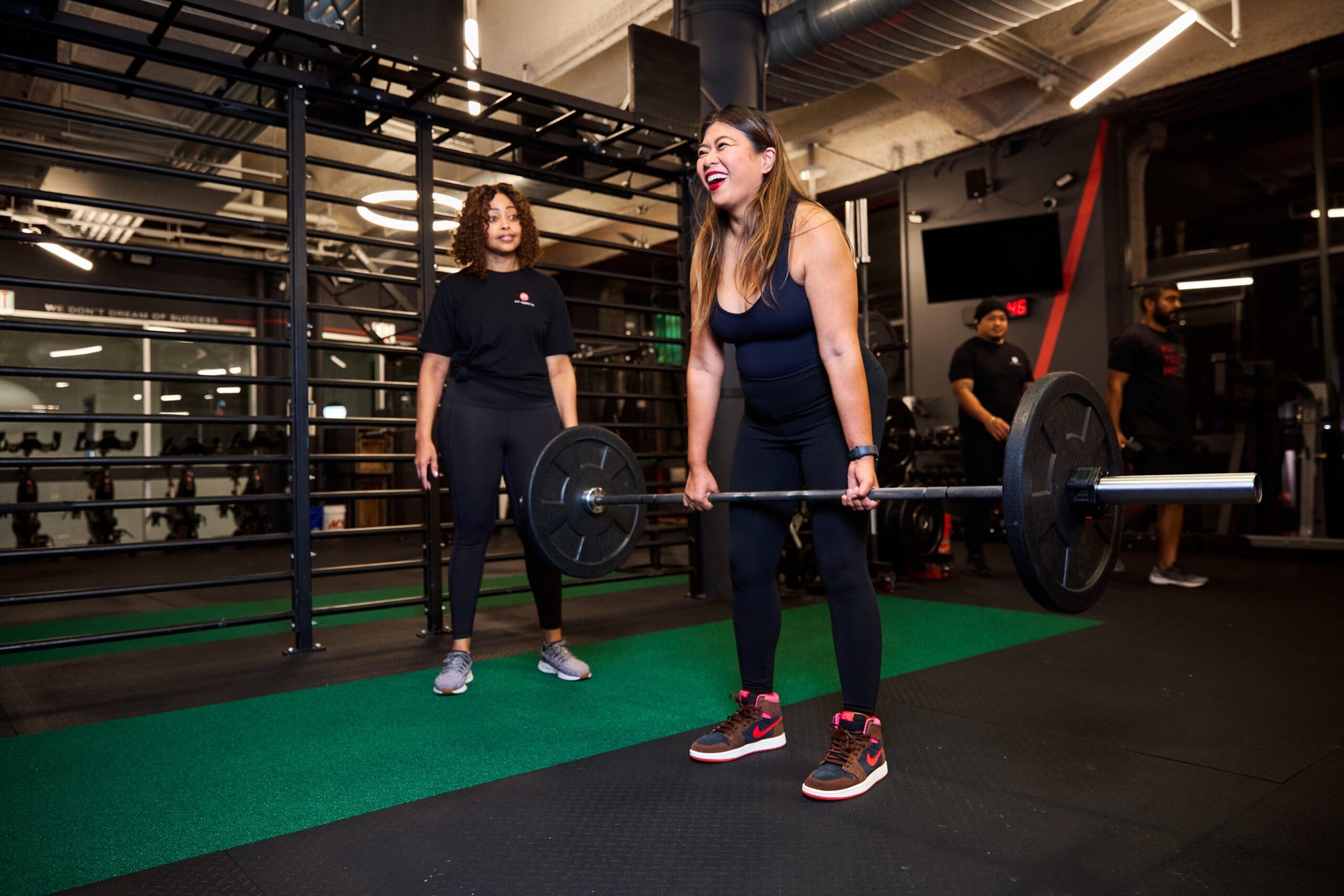
The image depicts a fitness enthusiast performing a squat with proper form, showcasing lean muscle growth and strength training techniques. The background features gym equipment, emphasizing the importance of resistance training and building muscle mass for overall health and fitness.

How to Build Lean Muscles: Science-Based Guide to Stronger, Healthier You

Introduction

Building lean muscle is achievable through evidence-based methods that focus on progressive resistance training and proper nutrition. While the internet is flooded with conflicting fitness advice, scientific research consistently shows that lean muscle requires specific training protocols for growth and nutritional strategies rather than following popular trends. Protein is essential for growth, as the amino acids found in protein form the building blocks of your muscle.

The term “lean muscle” simply refers to muscle tissue itself - all muscle is inherently lean, and building muscle mass while managing body composition creates the defined, healthy physique most people seek.

What This Guide Covers

This guide focuses on scientifically-proven muscle building strategies, evidence-based nutrition protocols, and effective training methods. We will NOT cover generic fitness advice, unproven techniques, or popular trends that lack scientific support for muscle hypertrophy. Our recommendations are aligned with physical activity guidelines from authoritative sources to ensure optimal health and longevity.

Who This Is For

This guide is designed for individuals seeking reliable, science-backed information on building lean tissue, whether you’re a beginner starting your fitness journey or an experienced fitness enthusiast looking to optimize your approach. Whether you’re considering large group fitness programs or personalized training sessions, you’ll find evidence-based guidance to achieve your goals.

Why This Matters

Building muscle provides numerous health benefits including increased metabolism, better bone density, improved body composition, and enhanced quality of life. Research shows that maintaining adequate muscle mass is an essential part of long term health, reducing age related muscle loss, and preventing chronic diseases. Lifting weights can improve overall health, regardless of appearance goals.

Poor sleep habits in older adults are linked to lower lean muscle levels and higher body fat, making good sleep hygiene especially important for preserving muscle mass as we age.

Regular strength training is an essential part of a healthy lifestyle, supporting both muscle and metabolic health. Inadequate muscle mass and poor metabolic health are linked to an increased risk of heart disease and other chronic conditions, such as stroke, blood vessel damage, kidney problems, eye disease, and nerve damage. Current guidelines recommend that all adults, including older adults, strength train major muscle groups at least twice per week to support bone health, manage chronic diseases, and improve longevity.

What You’ll Learn:

  • Scientific principles of muscle hypertrophy and lean growth
  • Evidence-based training methods including progressive overload techniques
  • Proper nutrition requirements and protein intake for muscle growth
  • How to distinguish between reliable sources and internet misinformation

Understanding Lean Muscle: The Science Behind Muscle Growth

“Lean muscle” is simply muscle tissue - all skeletal muscle in the human body is inherently lean because muscle fibers themselves do not contain stored body fat.

The confusion around “lean muscle” stems from fitness marketing rather than scientific reality. When people discuss building lean muscle, they’re actually referring to the goal to build lean tissue through a combination of effective training, nutrition, and recovery strategies, aiming to increase muscle mass while maintaining or reducing body fat percentage to improve overall body composition. Maintaining or increasing lean body mass is important not only for a toned, sleek appearance but also for supporting health and overall physical well-being. Research suggests that muscle hypertrophy occurs through specific biological processes triggered by resistance training and adequate protein intake. Proteins within muscle fibers, especially in the myofibrils and sarcoplasm, are responsible for muscle contraction, energy storage, and growth, making them essential for muscle development. Regular physical activity, including both resistance training and other forms of exercise, is fundamental for overall health and muscle maintenance.

The Importance of Lean Body Mass

Lean body mass is a crucial part of your health and fitness that has helped thousands of people move ahead in their wellness journey. It includes everything in your body except body fat—your muscles, bones, and water that makes you strong. When you focus on maintaining higher lean body mass it means you have more muscle tissue, which is not only important for strength and moving better but also plays a big role in how your metabolism works. Muscle tissue burns more calories at rest than fat tissue does, so the more lean muscle you have, the more calories your body uses throughout the day—even when you're not doing any exercise. This makes it much easier to lose fat and maintain healthy weight that lasts for years.

Research has showed that people with higher lean body mass enjoys many health benefits, including stronger immune system, better bone density, and improved athletic performance that has attracted people from all walks of life. Most importantly, having more lean body mass is connected to lower risk of serious diseases such as heart disease, type 2 diabetes, and certain cancers that affects many people. By focusing on building and maintaining lean body mass, you're not just working toward better physique—you're investing in your long-term health and reducing your risk of health conditions that can change your life. Making lean body mass a priority is one of the most effective ways to support your body's health, boost your metabolism, and help you maintain your fitness goals that will last for life.

Common Misconceptions About Lean Muscle

The internet is filled with misinformation about different types of muscle tissue. Many sources incorrectly suggest that certain exercises create “lean” versus “bulky” muscle, but this is scientifically inaccurate. All muscle growth follows the same biological principles regardless of training methods.

Popular trends like yoga and pilates, while beneficial for flexibility and basic muscle strength, may not effectively build significant muscle mass due to insufficient progressive overload. Regular exercising with resistance-based movements, such as squats, push ups, and other compound exercises, is necessary for substantial muscle surplus. A study published in sports medicine journals confirms that building lean tissue requires mechanical tension and progressive resistance that these activities typically don’t provide.

This connects to body composition because visible muscle definition depends on both adequate muscle mass and reduced fat, not special types of “lean” tissue.

The Real Benefits of Muscle Growth

Building lean mass increases your metabolic rate, allowing you to burn more calories even at rest. Research shows that each pound of muscle tissue burns approximately 6-7 calories daily compared to 2-3 calories burned by fat tissue.

Enhanced bone density occurs through resistance training, as lifting heavier weights creates mechanical stress that stimulates bone formation. Resistance training is essential for developing and maintaining strong bones, especially as we age, helping to prevent bone deterioration and support overall health.

Unlike basic fitness activities, strength training provides many benefits for everyday activities, improving functional movement patterns and reducing injury risk during daily tasks.

Transition: Understanding these scientific principles provides the foundation for implementing effective training strategies.

Evidence-Based Training Methods for Muscle Growth

Fitness should be based on scientific principles rather than following trends or social media influencers. Weight training, which includes both free weights and machines, is a highly effective form of resistance training for building muscle and improving strength. Resistance training serves as the primary method for stimulating muscle hypertrophy, whether through large group fitness programs or personalized training approaches.

Progressive Overload Principles

Progressive overload forms the cornerstone of muscle surplus, requiring gradual increases in training demands over time. Research consistently demonstrates that muscles must face greater challenges to continue adapting and growing.

When to apply this: For anyone serious about gaining muscle and building muscle mass.

Effective rep ranges typically fall between 6-12 repetitions at 65-85% of your one-repetition maximum, though research shows muscle surplus can occur across various rep ranges when training near muscle failure. Using a lighter weight for more repetitions can also be effective for muscle increase, especially when training close to muscle failure.

Both weight machines and free weights can provide adequate stimulus for muscle hypertrophy when progressive overload principles are properly applied.

Compound vs Isolation Exercises

Compound exercises target multiple muscle groups simultaneously, making them highly efficient for building overall muscle mass. Movements like squats, deadlifts, and pull ups engage major muscle groups and allow you to lift heavier weights safely.

Building on compound movements, isolation exercises can target specific muscle groups that may need additional development. This dual approach maximizes muscle increase while addressing individual weaknesses.

Unlike isolation-only programs, balanced training incorporating both compound and isolation exercises optimizes muscle development across the entire body.

Training Frequency and Recovery

Optimal training frequency involves working each muscle group 2-3 times per week according to current research. This frequency allows adequate stimulus for muscle protein synthesis while providing sufficient recovery time.

Rest periods between sessions are essential, as muscle increase actually occurs during recovery, not during the workout itself. Aim for 7-9 hours of quality sleep nightly to support muscle hypertrophy and overall health. Growth hormones that support lean growth are secreted during sleep, making rest a critical component of any fitness regimen.

Key Points:

  • Train each muscle group 2-3 times weekly for optimal results
  • Allow 48-72 hours recovery between training the same muscle groups
  • Prioritize sleep quality for muscle recovery and growth

Transition: Proper training must be supported by appropriate nutrition for maximum effectiveness.

Nutrition and Lifestyle Factors for Optimal Results

Nutrition plays an equally important role as training in building lean muscle mass. Without adequate protein intake and overall calories, even the best training program will fail to produce significant muscle growth. To build new muscle tissue, consume a slight caloric surplus of about 300–500 calories per day above maintenance.

Step-by-Step: Calculating Your Protein Needs

When to use this: For anyone committed to building muscle and optimizing body composition.

  1. Calculate body weight in kilograms: Divide your body weight in pounds by 2.2 to convert to kilograms
  2. Multiply by 1.6-2.2 grams: This provides your daily protein target based on current research recommendations
  3. Distribute protein evenly: Spread protein intake across 3-4 meals throughout the day for optimal muscle protein synthesis
  4. Monitor and adjust: Track progress and increase protein intake if muscle growth stalls after 4-6 weeks
  5. Stay hydrated: Aim to drink at least 2-3 liters of water per day to support muscle function and synthesis.

Comparison: Group Fitness vs Personalized Programs

Feature:

Large Group Fitness

Cost: Lower per session

Customization: Limited individual modifications

Accountability: Group motivation and support

Effectiveness: Good for general fitness with some fitness experience & knowledge

Personalized Programs

Cost: Higher per session

Customization: Fully tailored to individual needs

Accountability: Direct one-on-one guidance

Effectiveness: Optimal for beginners to build a foundation, experienced gym goers when the target is specific goals

Both approaches can effectively support lean tissue growth when they incorporate progressive resistance training and proper exercise selection. Semi-personal training combines the fun and social atmosphere with greater cost-effectiveness, in comparison to one-on-one personal training but delivering benefits that are just as effective.

Transition: Even with proper training and nutrition, common challenges can derail progress without proper solutions.

The Role of Overall Health in Muscle Building

Building lean muscle isn't just about lifting weights or following a strict workout plan—it's about helping your body's overall health so you can get the most lean tissue and recovery that you need. A well-balanced diet that includes enough protein, complex carbohydrates, and healthy fats gives the essential building blocks your muscles needs to grow and repair themselves. Regular physical activity, especially strength training, is key for building and maintaining muscle mass, but it's equally important to pay attention to other aspect of your health that can help you move ahead.

Factor like stress, sleep quality, and hydration has a direct impact on your ability to build lean muscle that you want to see. Chronic stress can increase levels of cortisol, a hormone that breaks down muscle tissue and make it harder for muscle increase to happen. Poor sleep disrupts your body's natural muscle-building processes, making it harder to recover and see the progress you are looking for. Staying hydrated helps muscle function and helps your body perform at its best during workouts when you need it most. By focusing on your overall health—managing stress, getting enough quality sleep, and staying hydrated—you create the ideal environment for muscle surplus, improved body composition, and better athletic performance that will help you in life. Remember, building lean muscle is a process that goes beyond the gym and touches every aspect of your daily life. In order to help you stay motivated and see results.

Losing Excess Body Fat While Building Lean Muscle

Getting a lean, defined body isn't just about putting on muscle mass—it's also about losing that extra body fat so you can see all the hard work you've been putting in. Helping people optimize their body composition by losing fat while building lean muscle has brought so many benefits to my clients, from better muscle strength and overall health to that toned, athletic look they've been working towards.

To lose fat and build lean muscle at the same time, I always focus my clients on a balanced approach that brings together strength training, smart eating, and getting enough rest. Resistance training is what's really essential for getting that muscle going and keeping your lean muscle, especially when you're eating in a calorie deficit. I always have my clients prioritize compound movements like squats, deadlifts, and bench presses, because these exercises hits multiple muscle groups and lets you lift heavier weights, which maximize muscle recruitment and calorie burn during each session.

Nutrition plays such a critical role in this whole process. To support your muscle and overall health, it's important to fuel your body with the right nutrients and maintain a balanced diet.Nutrition plays such a critical role in this whole process. To lose fat, you need to eat fewer calories than what your body burns, but it's really important not to cut calories too harsh. I always aim my clients for a moderate calorie deficit—enough to get that fat loss going without sacrificing the muscle tissue they've worked so hard for. Making sure your diet has enough protein (1.6–2.2 grams per kilogram of body weight daily) is what supports muscle repair and growth. Including healthy fats and complex carbs helps fuel your workouts and keeps energy levels up, supporting both growth and your overall health.

Being consistent and having patience is really the key here. Quick weight loss or those extreme diets can lead to muscle loss and slower metabolism, which just undermines all your long-term goals. Instead, I encourage my clients to aim for losing about 0.5–1 kg per week for results that actually stick. Tracking your progress, adjusting your eating and training when needed, and celebrating those small victories along the way is what keeps people motivated.

Don't overlook how important rest and recovery really is. Your muscles needs time to rebuild and get stronger after each workout, so I always tell my clients to prioritize 7–8 hours of quality sleep each night and schedule rest days to prevent injury and burnout. This balanced approach not only helps you build lean muscle and lose fat, but it also supports a healthy life and lowers the risk of chronic diseases.

By focusing on strength training, proper eating, and recovery, you'll be able to build lean muscle, lose that excess body fat, and enjoy all the many benefits of having a stronger, leaner, and healthier body.

Avoiding Common Mistakes When Building Lean Muscle

Many people is set out to build lean muscle but end up frustrated by slow progress or setbacks that happens. One of the most common mistakes that has affected people is not consuming enough protein, which is essential for muscle and repair that your body needs. To support muscle mass, you want to aim for at least 1.6–2.2 grams of protein per kilogram of body weight each day, spread across 3–5 meals to maximize muscle protein synthesis that help your muscles. Another frequent pitfall that has brought to light is neglecting rest and recovery—your muscles need time to rebuild after workouts, so make sure you're getting 7–9 hours of sleep each night and scheduling rest days to prevent muscle loss and overtraining that can affect you.

Focusing too much on isolation exercises, like bicep curls or tricep extensions, is another mistake that has forced many people to limit their results. While these moves have their place in your routine, compound exercises such as squats, deadlifts, and bench presses engage multiple muscle groups at once, leading to more efficient and effective growth that you want to achieve. By prioritizing compound movements, ensuring enough protein intake, and allowing for proper rest, you'll be able to build lean muscle mass more effectively and enjoy the many benefits that come with a stronger, healthier body that helps you move better. Avoiding these common mistakes will help you stay on track and achieve your muscle-building goals that you have set for yourself.

Common Challenges and Solutions

These represent the most frequent obstacles to building lean muscle that individuals encounter during their fitness journey. Consulting reliable sources becomes crucial when facing these challenges.

Challenge 1: Plateauing Progress After Initial Gains

Solution: Implement periodization by varying training stimulus every 4-6 weeks through changes in rep ranges, exercise selection, or training volume.

Include planned deload weeks with reduced training intensity to allow complete recovery and renewed adaptation potential.

Challenge 2: Conflicting Information from Social Media and Fitness Influencers

Solution: Prioritize peer-reviewed research and certified personal trainer guidance over social media trends and unverified claims.

Verify any new training or nutrition information through multiple reliable sources including sports medicine organizations before implementing changes.

Challenge 3: Balancing Muscle Building with Other Fitness Goals

Solution: Create periodized training blocks that focus primarily on muscle increase while maintaining other fitness components through reduced volume.

Integrate both structured group fitness classes for motivation and personalized strength training sessions for optimal muscle development.

Transition: Armed with evidence-based knowledge, you can confidently begin your muscle building journey.

Conclusion and Next Steps

Building lean muscle requires a scientific approach based on proven principles rather than following fitness trends or unverified social media advice. The positive life impacts include improved health, enhanced daily function, increased confidence, and protection against age related muscle loss and chronic diseases.

Research consistently shows that combining progressive resistance training with adequate protein intake provides the most effective approach to gaining muscle and improving body composition. Whether through large group fitness programs or personalized training, the fundamental principles remain the same.

To get started:

  1. Assess current fitness level: Consult with a certified personal trainer or qualified fitness professional to evaluate your starting position
  2. Design evidence-based program: Choose either structured group fitness classes that emphasize strength training or develop personalized resistance training protocols
  3. Establish proper nutrition: Calculate protein needs and ensure adequate calorie intake to support muscle goals

Ready to take the next step in building lean muscle? Contact us directly for a personalized consultation and expert guidance tailored to your fitness goals. Visit https://www.fitresults.net/pt-consultation to get started today!

Related Topics: Consider exploring periodization strategies, advanced training techniques, and sports nutrition principles as you progress in your muscle building journey.

Additional Resources

Peer-reviewed journals and research databases:

Professional certifications to look for:

Reputable organizations:

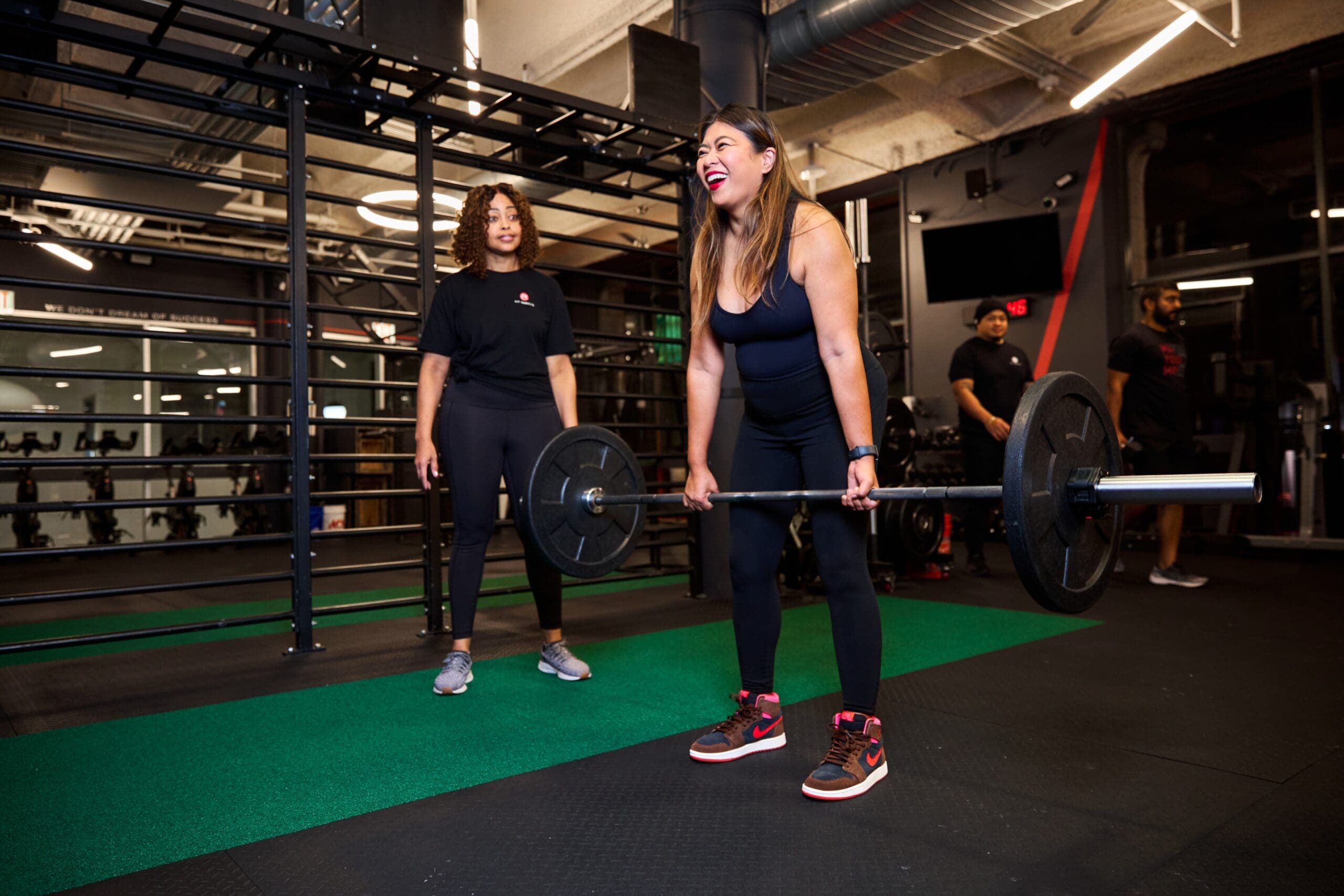
The image depicts a fitness enthusiast performing a squat with proper form, showcasing lean muscle growth and strength training techniques. The background features gym equipment, emphasizing the importance of resistance training and building muscle mass for overall health and fitness.

Luis Centeno

Luis Centeno is the Founder, Owner + Lead Trainer at FIT RESULTS ®️ Second Chance turned entrepreneur Changing lives through fitness. Master Trainer Certified (Personal Training, Strength Training Specialist, Nutrition Specialist, Endurance Specialist, Nutrition Coach, S + C Coach. Passionate about helping others reach their personal goals. The more lives I can help change, the better I feel about the big task that is at hand to make the world a better place.

looking for a gym
In the chicago area?

GET A FREE CONSULTATION