Keep Your Fitness Training Momentum
Seeing little or no change after starting personal training is common — and frustrating — but it doesn’t mean your effort is wasted. This guide breaks down why results sometimes take longer to show, how to spot progress that the scale misses, and practical steps to break plateaus and rebuild motivation, including how to choose activities that fit your preferences and current fitness level. You’ll get realistic timelines, non-scale wins to track, SMART goal templates, suggestions for workout variety, nutrition tips for energy and recovery, and accountability tools that work together to keep progress steady. We’ll also share simple tests and metrics you can use at home or with a trainer, plus the program and community supports that re-engage clients who feel stuck. By the end, you’ll have a clear, actionable plan to regain momentum, build sustainable fitness habits, and next steps if you want guided support from a local team.
Introduction to Fitness Momentum
Starting fitness journey is exciting step toward better health, but the real key for long-term success is maintaining the fitness momentum you build. Fitness momentum is all about building and sustaining that drive that keeps you coming back to your fitness routine, even when motivation dips or life gets busy like it always does. By developing structured exercise plan that includes both strength training and cardio, you set yourself up for steady progress and lasting results that actually stick. Functional fitness activities not only improve the physical health but also boost mental health, helping you feel more energized and focused throughout your day like never before. With right mindset and few tips from experience, you can overcome common obstacles that everyone faces, stay on track, and create routine that supports your goals no matter what. Remember, momentum is built one workout at time—each session adds up, moving you closer to success in the fitness journey that has changed so many lives.
Why Do Personal Training Results Sometimes Take Time to Appear?
Results often follow biological and behavioral timelines that lag behind how hard you’re working. Early adaptations — like better neural coordination — usually show up as feeling stronger before you see changes in muscle size. Expectations shaped by social media and dramatic before/after photos can make normal, steady progress feel slow by comparison. Knowing these mechanisms helps you focus on leading indicators of improvement instead of waiting only for visual shifts. Understanding your current fitness level helps set realistic expectations and goals, ensuring your training plan is tailored to your strengths and areas for growth.
- The main reasons progress can lag are physiological adaptation timelines, mismatched expectations, inconsistent adherence, and shortfalls in nutrition or recovery.
- Each factor limits progress in different ways; for example, poor sleep impairs recovery while missed sessions reduce training stimulus.
- Seeing progress as multi-dimensional helps you recognize early wins and stay motivated.
- Set clear, achievable goals and adjust your pace to match your current fitness level. This helps maintain motivation, avoid plateaus, and ensures your workouts remain effective and sustainable.
When you anticipate these causes, it’s easier to adopt tracking habits and behavior changes that reveal real gains and keep you engaged with training. When you stop exercising, it becomes harder to start again due to inertia, so maintaining some level of activity is important.
What Causes Fitness Plateaus and Delayed Progress?
Plateaus usually come from program- or lifestyle-level issues that blunt training stimulus or slow recovery. Common culprits include a lack of progressive overload, doing the same exercises for months, or training without clear intensity targets. Outside factors — chronic stress, illness, medications, or poor sleep — also reduce anabolic signals and delay visible change even when effort is there. Start troubleshooting with a focused audit of progression, recovery, and tracking to pinpoint the main limiter.
Check three practical items first: are sets and reps progressing, is effort (RPE or weight) increasing, and is sleep/recovery adequate? If progression has stalled, small adjustments — managing volume, scheduling a planned deload, or swapping exercise variations — can restore effective stimulus without raising injury risk. A diagnostic-first approach removes guesswork and gives your trainer clear, targeted changes to implement. Staying consistent with your routine, even when progress feels slow, is crucial for maintaining momentum and making it easier to get back on track after any interruptions.
During especially busy times, adjust your expectations and focus on realistic fitness goals to keep your momentum going.
How Do Realistic Personal Training Results Timelines Help Manage Expectations?
Clear timelines help manage expectations and reduce frustration when visual changes are slow. Neural strength gains often appear in 2–4 weeks, hypertrophy in 6–12 weeks, and fat loss varies based on diet and metabolism. Trainers use these timelines to set checkpoints, align nutrition and recovery, and keep clients motivated with realistic milestones.
Breaking goals into weekly micro-goals and setting a target workout frequency—like 2-3 or 3-4 sessions per week—makes routines manageable and consistent. Even short 15-20 minute workouts during busy times can be effective, so don’t skip sessions when pressed for time.
How Can You Track and Recognize Progress Beyond the Scale?
Non-scale indicators reveal meaningful improvement the scale misses and give you objective wins to stay motivated. Useful measures include strength (more weight or reps), endurance (longer time or distance), mobility (better joint range), energy, sleep quality, mood, and resting heart rate. Tracking your resting heart rate is a key marker of overall health and wellness—lower resting heart rate over time often indicates improved cardiovascular fitness and recovery. Simple tests, apps, and a trainer-set checkpoint schedule make these indicators reliable evidence of change.
Here are practical non-scale indicators you can track with basic tools and regular logging.
- Strength: log the heaviest weight and reps for key lifts each month to capture neural and hypertrophy gains.
- Endurance: record rep counts, timed circuits, or distance/time for cardio intervals to track stamina improvements.
- Mobility and function: note range of motion or daily-task ease (for example, carrying groceries without fatigue).
- Resting heart rate: measure your pulse first thing in the morning and track trends over weeks to monitor cardiovascular health and recovery.
These non-scale wins help recalibrate expectations and give concrete milestones to celebrate during slower visual phases.
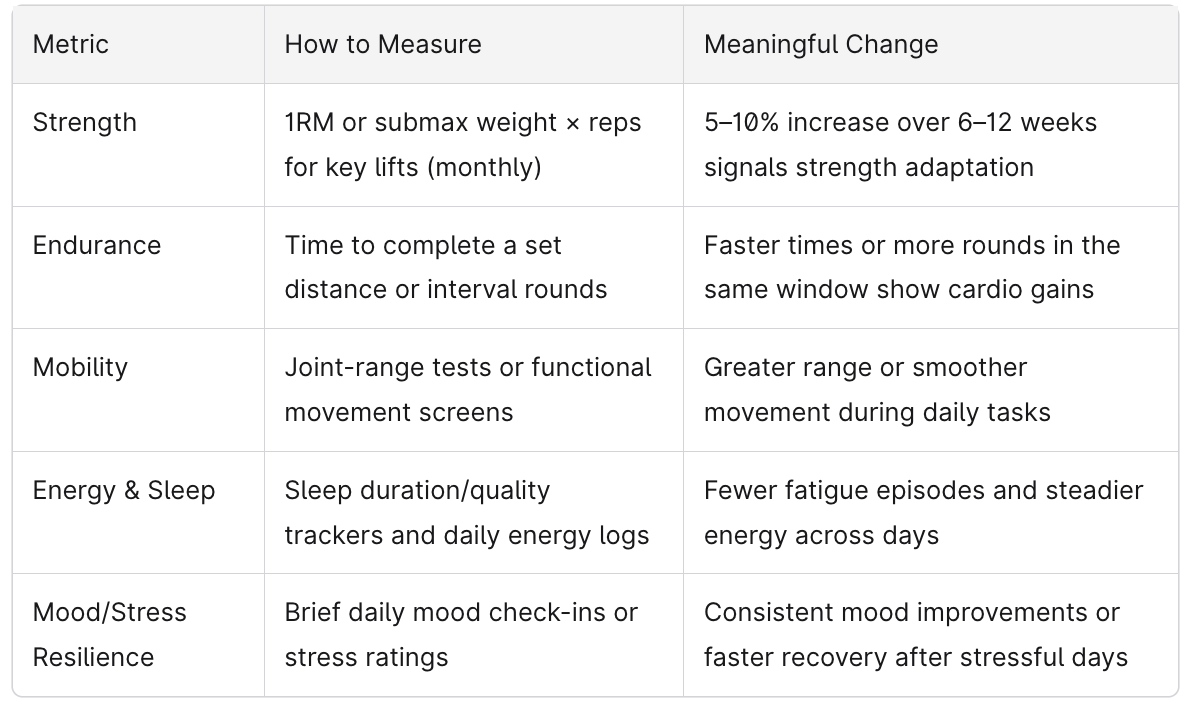
Intro to progress metrics table: The table below links common progress metrics to practical measurements and a quick way to interpret small but meaningful changes. Use it as a reference for what to log and how often to review.
Using smart wearables can also help you track heart rate variability (HRV) and readiness for workouts, providing additional insight into your progress.
That comparison clarifies which objective changes matter and gives a template for coach reviews and client journaling. Regularly reviewing these points with a trainer turns scattered improvements into a clear progress story.
What Are Non-Physical Fitness Progress Indicators to Monitor?
Non-physical indicators — sleep quality, energy, stress resilience, and confidence — often improve before visual changes and are strong predictors of long-term adherence.
Track sleep duration and perceived sleep quality, log daily energy, and note functional wins (for example, feeling less winded on stairs). Weekly subjective entries create trend lines that highlight improvement even when the scale doesn’t move. Reading those trends through a function-and-recovery lens helps you stay motivated and makes incremental progress obvious.
Many clients keep a simple weekly log with three entries: sleep score, energy level, and one functional win (like finishing stairs without stopping). Those notes give your trainer a narrative to adjust training and nutrition — and celebrate wins that often precede visible change. Tracking these improvements benefits your future self by building a foundation for long-term health.
How Does Setting SMART Fitness Goals Enhance Motivation?
SMART goals turn vague wishes into measurable commitments that tie sessions to outcomes and keep motivation steady. SMART means Specific, Measurable, Achievable, Relevant, Time-bound — for example: “Increase deadlift from 150 to 180 lbs in 12 weeks,” or “Walk 30 minutes every day for the next month.” Breaking that into weekly micro-goals — targets for reps, load, walking a set distance or time, or recovery behaviors — creates frequent wins that reinforce effort. Translating goals into session-level actions ensures every workout moves you toward the target and gives your trainer concrete checkpoints.
Try this simple SMART template with your trainer: name the outcome, pick the metric, set the timeframe, and list two supporting behaviors (nutrition and recovery). Embedding the goal in your plan links daily habits to long-term results and keeps motivation anchored to observable progress.
On low-energy days, commit to just five minutes of movement, such as walking, to prevent skipping workouts entirely and maintain your fitness training momentum.
Building Healthy Habits
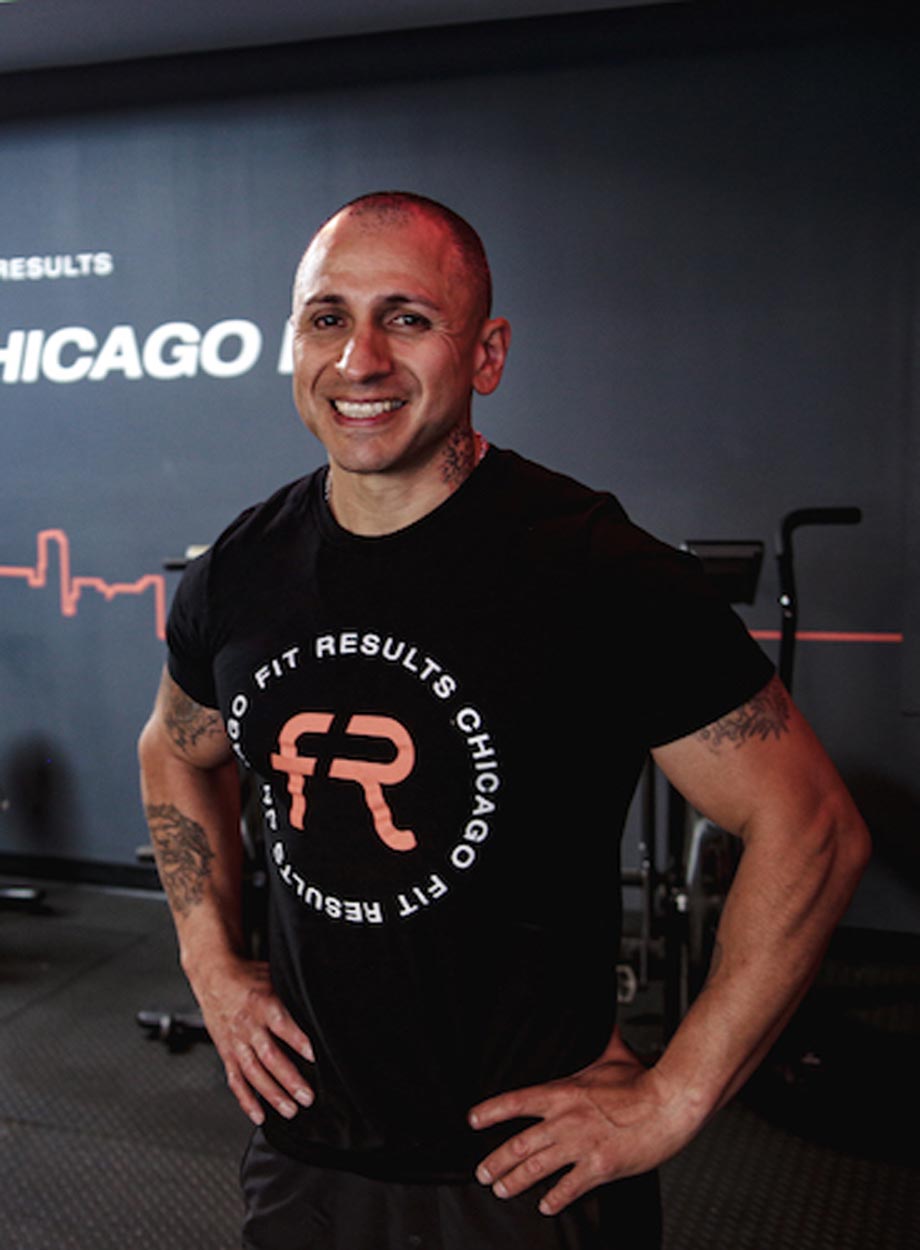
Building healthy habits is what makes any fitness routine successful and Coach Lou is passionate about helping everyone establish these foundations that has changed so many lives. Starting small is something Coach Lou always encourages—whether it's that daily bike ride, some push-ups, or just a short walk—these manageable steps help you build the consistency and confidence that Coach Lou and the Fit Results team has seen work for thousand of people over 12+ years of helping others. Finding a workout buddy or joining a fitness class can make exercise more enjoyable and keep you motivated, and Coach Lou always tells clients to bring a friend or loved one because staying motivated is easier when you got that support system that Coach Lou facilitates. Working with someone who has the expertise and knowledge like a personal trainer provides that guidance that is tailored to your specific needs, especially if you're dealing with arthritis, bone density issues, or joint problems that affects so many people over 40. Coach Lou helps you set realistic fitness goals and track your progress so we can celebrate every milestone together like a partnership, no matter how small because Coach Lou does not leave anyone behind. Incorporating activities you genuinely enjoy, like yoga or swimming, keeps your routine fresh and fun, and Coach Lou has helped everyone from newbies that have never worked out in their life to people with some fitness knowledge. Don't forget to schedule regular rest days because recovery is just as important as the workouts themselves for maintaining that fitness momentum and preventing burnout, something Coach Lou has learned from helping clients that has came in with various needs including those on GLP-1 drugs that cause muscle loss. By creating a balanced exercise routine that fits your lifestyle, Coach Lou believes you'll develop healthy habits that support both your physical and mental well-being, making it easier to stay motivated and on track because we set goals and we achieve them together.
What Strategies Help Overcome Motivation Slumps and Fitness Plateaus?
Getting past slumps takes a mix of tactical changes and mindset work. Tactics include adjusting program variables, scheduling micro-goals, and adding variety to preserve stimulus and interest. Psychological tools — process-focused thinking, self-compassion, and habit stacking — reduce burnout and make consistency easier. Overcoming slumps requires hard work and dedication, as real progress comes from persistent effort and not shortcuts. Together, these approaches give immediate fixes and longer-term resilience.
Often the best first step is a short diagnostic session with a coach to prioritize changes and set a focused, measurable short-term plan. That turns vague frustration into clear actions — like changing intensity or inserting a recovery micro-cycle — which are easier to execute and evaluate.
- Set SMART micro-goals tied to session outcomes so you get frequent wins.
- Rotate exercise selection, tempo, or modality every ~4 weeks to maintain stimulus.
- Use accountability — scheduled sessions, partner check-ins, or community challenges — to keep consistency high.
These steps break inertia and restore momentum; pairing them with small rewards helps the new routine stick until it becomes habit. Rewarding yourself with non-food rewards as you reach milestones in your fitness journey can further boost motivation.
How Does Varying Your Workout Routine Prevent Boredom and Boost Results?
Variation creates new physiological demands and keeps you mentally engaged. Swap exercises (a squat for a split-squat), change volume or intensity (higher reps one block, heavier loads the next), or adjust your pace to keep workouts challenging and engaging. You can also mix modalities (strength, conditioning, mobility). A planned 4-week rotation — for example, technique, strength, hypertrophy, and active recovery — prevents stagnation while controlling fatigue. Trainers program variation to sustain progressive overload across qualities without risking backslide.
A simple rotation might be two weeks of strength intensity, one week of higher-volume hypertrophy, and one deload week focused on mobility and recovery. That structure maintains novelty, reduces burnout, and keeps progress measurable.
What Mindset Shifts Support Long-Term Fitness Consistency?
Mindset shifts turn setbacks into data instead of failure and keep the focus on process over instant results.
Adopt a process focus: value attendance, effort, and recovery rather than quick appearance changes. Use self-compassion to treat lapses as opportunities to adjust instead of reasons to quit. Habit-stacking — for example, adding a protein habit after breakfast — builds automatic behaviors that sustain training. Short reframes, like treating a missed session as a plan tweak, preserve forward motion and stop guilt cycles. Combine these mental strategies with concrete micro-goals to build a resilient training approach that weathers plateaus and life disruptions. Developing strong fitness habits is essential for maintaining long-term consistency and helps ensure that regular movement and workouts remain a part of your routine, even during busy or challenging times.
How Does Nutrition Support Your Fitness Motivation and Results?
Nutrition drives energy, recovery, and the visible outcomes of training. Fueling workouts properly raises achievable intensity; proper nutrition also helps you stay active throughout the day. Timely recovery nutrition speeds repair — both make progress more noticeable and rewarding. Hydration and sleep interact with food to optimize recovery; neglecting any of these areas blunts how training translates into visible change. Personalized nutrition guidance cuts through confusion and boosts adherence, making steady progress more likely.
When nutrition and training are aligned, clients report clearer strength gains, steadier energy, and faster recovery between sessions — all of which reinforce the desire to continue. Below are practical strategies you can try right away.
Intro to nutrition strategies table: The table below compares straightforward nutrition tactics by target (pre-workout, post-workout, hydration, and sleep-support) with sample choices and timing to help you plan around training.

These are simple options to test with your trainer and adjust to fit intensity and tolerance. Small, consistent nutrition improvements compound into faster recovery and clearer training progress. Using visual rewards and gamification in fitness apps can also make workouts and healthy eating more engaging.
What Are Effective Nutrition Strategies for Energy and Recovery?
Focus on timing, macronutrient balance, and hydration to support workouts and recovery windows. Pre-workout snacks with easy carbs and some protein fuel performance without GI issues. Post-workout meals with complete protein and carbs support muscle protein synthesis and glycogen replenishment. Aim for adequate daily protein spread across meals and keep hydration steady to support circulation and temperature control during sessions. Evening nutrition and routines also influence sleep quality, which is a key recovery factor.
Practical examples: a small carb-plus-protein snack 30–60 minutes before training, and a balanced meal with ~20–40 g of protein after sessions. These habits improve workout quality and speed recovery, giving you quicker, more tangible feelings of progress.
How Can Personalized Nutrition Guidance Improve Your Fitness Journey?
Personalized guidance adjusts macronutrients, meal timing, and food choices to your lifestyle, making adherence realistic and results more predictable. For clients with injuries, medical needs, or dietary preferences, tailored plans preserve performance and recovery goals while fitting constraints. Coordinating nutrition phases with training cycles — for example, increasing carbs around heavy lifting — improves session energy and speeds adaptation.
When nutrition is personalized, clients often see clearer energy patterns and fewer plateaus, which helps sustain motivation. Fit Results trainers commonly integrate nutrition recommendations into programming so fueling and training work together, reducing confusion and improving the odds of measurable change.
How Does Accountability Enhance Motivation in Personal Training?
Accountability builds external structure that turns good intentions into consistent actions. Tools include scheduled one-on-one sessions, regular coach check-ins, app tracking, and peer commitments through group classes or challenges. Accountability works by making commitments concrete and creating feedback loops that catch small slips before they become setbacks. Booking recurring sessions or pairing with a partner are simple ways to make consistency more likely.
Different formats suit different people: some clients thrive under direct trainer oversight, others prefer semi-private or community settings for social reinforcement.
- Trainer check-ins: scheduled progress reviews and session feedback to keep programming on track.
- Community support: group classes and peer encouragement that create external commitment, encourage accountability, and help members stay motivated. Finding a workout buddy can further enhance accountability and motivation, especially during busy times. Managing fitness routines around kids' schedules or involving kids in activities can also encourage consistency and help maintain momentum for parents.
- Tracking systems: apps or journals that make daily behaviors and results visible.
Together, these mechanisms turn short-term effort into long-term consistency. The next section explains how trainers put these supports into practice.
What Role Do Personal Trainers Play in Maintaining Your Motivation?
Trainers build progressive programs, give real-time feedback, and adapt plans when progress stalls — acting as both technical coaches and accountability partners. They read performance metrics (strength numbers, movement quality, sleep, and readiness) and adjust load, volume, or exercise choices to keep you progressing safely. Trainers also celebrate small wins and reframe setbacks as part of the process, shortening the trial-and-error phase and restoring momentum when clients feel stuck.
At Fit Results, trainers bring practical experience turning goals into measurable plans and schedule periodic assessments to keep focus sharp. Working with a trainer aligns daily actions to longer-term targets and makes progress easier to see and celebrate.
How Can Community Support Like Fit Results’ FitFam Foster Accountability?
Community adds social reinforcement, shared goals, and enjoyable rituals that boost attendance and effort. Community support is especially valuable for helping members maintain momentum during busy or stressful periods, making it easier to stay consistent with fitness routines. Group classes like FitCamp and semi-private sessions create peer encouragement and healthy competition, while events give social anchors that fold fitness into your identity. Peer recognition and group milestones boost extrinsic motivation and, over time, help build intrinsic habits. Community also supplies practical benefits — workout partners, tips, and celebrations — that amplify persistence.
Many clients find that joining a gym culture focused on “real people, real results” creates a nonjudgmental space where progress is normalized and celebrated. Community accountability complements one-on-one coaching by adding social layers of support.
Avoiding Common Pitfalls
Staying committed to your fitness momentum means you got to steer clear of common pitfalls that can really mess up your progress and that's the truth. One of the biggest mistakes people make is they rely on random workouts or inconsistent routines, which leads to frustration and slow results that nobody wants to deal with. It's real important to listen to your body and you need to prioritize rest days to avoid injury and exhaustion because your body needs that recovery time. Staying active and motivated requires both physical effort and a positive mindset, so be open to adjusting your routine as your needs change and that's something everyone should understand. If you find your motivation is slipping away from you, try mixing things up by joining a new class or exploring a different activity—variety keeps your workouts engaging and helps prevent boredom from setting in. You got to lean on your fitness community or seek support from a personal trainer to stay accountable and encouraged because we all need that support system. By staying committed to your goals, embracing variety, and connecting with others, you'll be better equipped to overcome obstacles and keep your fitness journey on track and moving forward like it should be.
Re-Entry and Restarting
Getting back into your fitness routine after a break or setback can feel daunting, but Coach Lou is passionate about helping you know that it's entirely possible to regain your fitness momentum with the right approach that is committed to your success. Start by setting new goals and creating a revised exercise plan that reflects where you are now and where you want to go - this has brought to light how important it is to meet people where they are. Begin with small steps like a short walk or a few light exercises to rebuild your confidence and establish a sense of progress that Coach Lou has facilitated for thousand of clients. Seeking expert guidance from a personal trainer or fitness professional can provide the support and motivation you need to stay consistent and Coach Lou encourages everyone to find that partnership. Remember, staying committed to your routine and celebrating each small victory is key to long-term success because Coach Lou does not leave anyone behind because of excuses. Every step forward, no matter how minor, contributes to a healthier, happier you and this passionate approach has help many people achieve their goals. By focusing on consistency, setting achievable goals, and embracing the journey with someone that is committed to help you succeed, you'll find it easier to maintain your fitness momentum and achieve lasting results in your fitness journey like a true partnership.
What Is the Fit Results Second Chance Program and How Does It Reignite Motivation?
The Fit Results Second Chance Program is built for clients who feel stalled, demotivated, or unsure after past attempts. It combines structured accountability, a tailored training plan, and nutrition guidance to restart progress. The program begins with an assessment, follows with a personalized plan, includes scheduled coaching touchpoints, and pairs coordinated nutrition recommendations to address common barriers. Blending one-on-one coaching, semi-private training, and community touchpoints targets the behavioral, technical, and nutritional causes of plateaus. Clear expectations and regular checkpoints rebuild momentum and confidence through measurable outcomes.
This format is a practical re-entry for people who want transparent measures and consistent support, aligning with Fit Results’ focus on community and trainer-led guidance.
Intro to Second Chance Program components table: The table below outlines program features, frequency, and example client experiences so you know what to expect from a typical engagement.
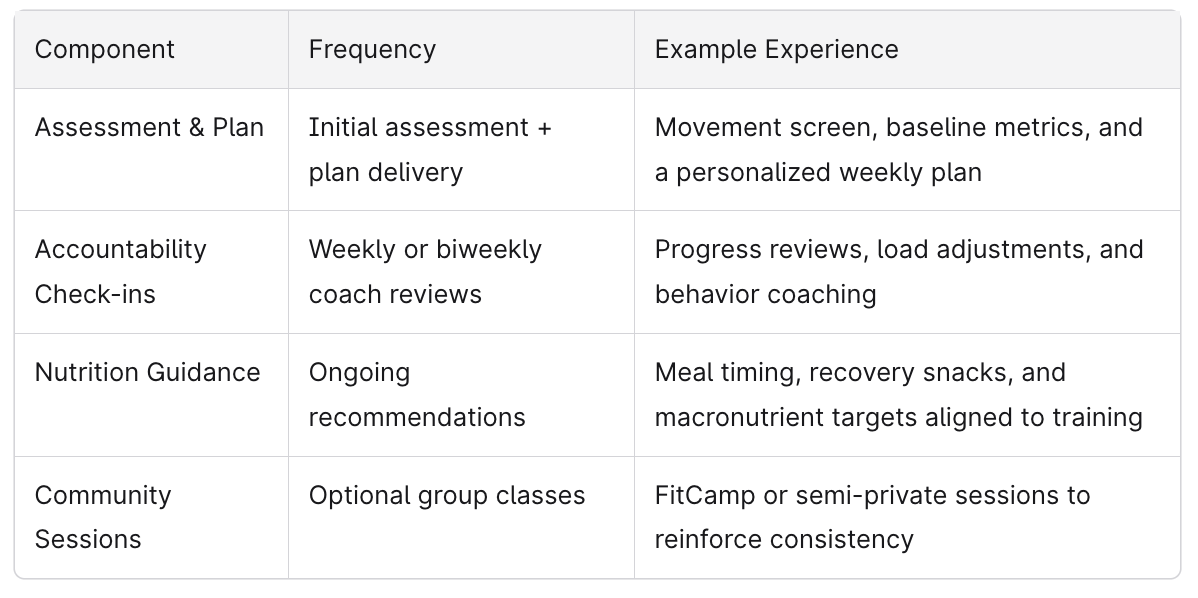
This breakdown makes expectations clear and shows how coordinated support addresses common causes of stalled progress. A steady cadence and measurable check-ins help participants find small wins that compound into lasting results.
How Does the Second Chance Program Address Motivation and Fitness Plateaus?
The Second Chance Program combines frequent coaching touchpoints with clear progression criteria and tailored nutrition to break plateaus. Regular check-ins create accountability and let the plan evolve with performance trends while performance metrics (strength, endurance, mobility) act as leading indicators. Nutrition is phased to support harder training blocks and recovery during deloads, and behavioral coaching focuses on habit formation and self-compassion to prevent burnout. This integrated approach reduces uncertainty about what to change and creates consistent feedback loops that restore forward momentum.
When adherence improves, clients often see clearer targets and measurable upticks within a few weeks, which reinforces motivation and supports long-term behavior change.
What Success Stories Demonstrate the Program’s Effectiveness?
Anonymous client snapshots show how coaching, community, and nutrition combine to rebuild motivation and capacity. One client stuck in a strength plateau regained weekly progress after a reassessment corrected progression and added targeted conditioning. Another regained daily energy and better sleep after nutrition tweaks and schedule adjustments. These examples follow a clear pattern: diagnose the constraint, make targeted changes, and track measurable improvements in strength, endurance, or energy. If a structured reset sounds right for you, consider a complimentary consultation to explore fit.
If you feel stalled, the next supportive step is booking a complimentary consultation. We’ll review baseline metrics and map a customized reset plan with a Fit Results trainer — a short conversation designed to clarify goals and identify immediate actions to restore momentum.
Frequently Asked Questions
What are some common reasons people lose motivation during their fitness journey?
People lose motivation for many reasons: unrealistic expectations, lack of visible progress, or boredom from repetitive workouts. Comparing yourself to curated social media results can also crush enthusiasm. The best defenses are realistic goals, varied training, and celebrating small wins so you keep momentum and avoid burnout.
How can I effectively set and adjust my fitness goals over time?
Use SMART goals — Specific, Measurable, Achievable, Relevant, Time-bound. Start with a clear target (for example, increase your squat by a set percentage in X weeks) and regularly reassess as you make progress or life changes. Adjusting goals keeps them realistic and motivating while letting you stay focused on steady improvement.
What role does nutrition play in maintaining motivation during training?
Nutrition affects energy, recovery, and performance — all of which feed motivation. Fueling before workouts improves effort; post-workout nutrition speeds recovery and makes gains feel real. A balanced diet also supports mood and focus. When you feel energetic and recover well, it’s easier to stick with training.
How can I track my non-physical progress effectively?
Track things beyond weight: energy, mood, sleep, and functional improvements. Use a journal or app to log these metrics and review them regularly. Noticing gains in endurance or daily function can be motivating even when appearance changes lag, and reviewing these with a trainer helps refine your plan.
What strategies can I use to overcome fitness plateaus?
Address plateaus by reassessing your program for progressive overload and variety. Add new exercises, change intensity, or tweak formats to stimulate adaptation. Prioritize recovery — nutrition and sleep matter — and set short micro-goals for momentum. If needed, work with a trainer to pinpoint specific adjustments and accountability measures.
How can community support enhance my fitness journey?
Community creates social reinforcement, shared routines, and fun rituals that boost attendance and effort. Group classes and events foster camaraderie and friendly competition, while peer encouragement helps you push through tough phases. Community makes the journey less isolating and turns wins into shared victories.
Conclusion
Keeping motivation in your training comes down to understanding how progress really happens and using practical tools to make it visible. Track non-scale wins, set realistic timelines, align your nutrition, and build accountability into your routine. Lean on a supportive community or structured programs like the Second Chance Program when you need a focused reset. Ready to get moving again? Book a complimentary consultation with a Fit Results trainer and let’s map your next steps.
Keep Your Fitness Training Momentum
Seeing little or no change after starting personal training is common — and frustrating — but it doesn’t mean your effort is wasted. This guide breaks down why results sometimes take longer to show, how to spot progress that the scale misses, and practical steps to break plateaus and rebuild motivation, including how to choose activities that fit your preferences and current fitness level. You’ll get realistic timelines, non-scale wins to track, SMART goal templates, suggestions for workout variety, nutrition tips for energy and recovery, and accountability tools that work together to keep progress steady. We’ll also share simple tests and metrics you can use at home or with a trainer, plus the program and community supports that re-engage clients who feel stuck. By the end, you’ll have a clear, actionable plan to regain momentum, build sustainable fitness habits, and next steps if you want guided support from a local team.
Introduction to Fitness Momentum
Starting fitness journey is exciting step toward better health, but the real key for long-term success is maintaining the fitness momentum you build. Fitness momentum is all about building and sustaining that drive that keeps you coming back to your fitness routine, even when motivation dips or life gets busy like it always does. By developing structured exercise plan that includes both strength training and cardio, you set yourself up for steady progress and lasting results that actually stick. Functional fitness activities not only improve the physical health but also boost mental health, helping you feel more energized and focused throughout your day like never before. With right mindset and few tips from experience, you can overcome common obstacles that everyone faces, stay on track, and create routine that supports your goals no matter what. Remember, momentum is built one workout at time—each session adds up, moving you closer to success in the fitness journey that has changed so many lives.
Why Do Personal Training Results Sometimes Take Time to Appear?
Results often follow biological and behavioral timelines that lag behind how hard you’re working. Early adaptations — like better neural coordination — usually show up as feeling stronger before you see changes in muscle size. Expectations shaped by social media and dramatic before/after photos can make normal, steady progress feel slow by comparison. Knowing these mechanisms helps you focus on leading indicators of improvement instead of waiting only for visual shifts. Understanding your current fitness level helps set realistic expectations and goals, ensuring your training plan is tailored to your strengths and areas for growth.
- The main reasons progress can lag are physiological adaptation timelines, mismatched expectations, inconsistent adherence, and shortfalls in nutrition or recovery.
- Each factor limits progress in different ways; for example, poor sleep impairs recovery while missed sessions reduce training stimulus.
- Seeing progress as multi-dimensional helps you recognize early wins and stay motivated.
- Set clear, achievable goals and adjust your pace to match your current fitness level. This helps maintain motivation, avoid plateaus, and ensures your workouts remain effective and sustainable.
When you anticipate these causes, it’s easier to adopt tracking habits and behavior changes that reveal real gains and keep you engaged with training. When you stop exercising, it becomes harder to start again due to inertia, so maintaining some level of activity is important.
What Causes Fitness Plateaus and Delayed Progress?
Plateaus usually come from program- or lifestyle-level issues that blunt training stimulus or slow recovery. Common culprits include a lack of progressive overload, doing the same exercises for months, or training without clear intensity targets. Outside factors — chronic stress, illness, medications, or poor sleep — also reduce anabolic signals and delay visible change even when effort is there. Start troubleshooting with a focused audit of progression, recovery, and tracking to pinpoint the main limiter.
Check three practical items first: are sets and reps progressing, is effort (RPE or weight) increasing, and is sleep/recovery adequate? If progression has stalled, small adjustments — managing volume, scheduling a planned deload, or swapping exercise variations — can restore effective stimulus without raising injury risk. A diagnostic-first approach removes guesswork and gives your trainer clear, targeted changes to implement. Staying consistent with your routine, even when progress feels slow, is crucial for maintaining momentum and making it easier to get back on track after any interruptions.
During especially busy times, adjust your expectations and focus on realistic fitness goals to keep your momentum going.
How Do Realistic Personal Training Results Timelines Help Manage Expectations?
Clear timelines help manage expectations and reduce frustration when visual changes are slow. Neural strength gains often appear in 2–4 weeks, hypertrophy in 6–12 weeks, and fat loss varies based on diet and metabolism. Trainers use these timelines to set checkpoints, align nutrition and recovery, and keep clients motivated with realistic milestones.
Breaking goals into weekly micro-goals and setting a target workout frequency—like 2-3 or 3-4 sessions per week—makes routines manageable and consistent. Even short 15-20 minute workouts during busy times can be effective, so don’t skip sessions when pressed for time.
How Can You Track and Recognize Progress Beyond the Scale?
Non-scale indicators reveal meaningful improvement the scale misses and give you objective wins to stay motivated. Useful measures include strength (more weight or reps), endurance (longer time or distance), mobility (better joint range), energy, sleep quality, mood, and resting heart rate. Tracking your resting heart rate is a key marker of overall health and wellness—lower resting heart rate over time often indicates improved cardiovascular fitness and recovery. Simple tests, apps, and a trainer-set checkpoint schedule make these indicators reliable evidence of change.
Here are practical non-scale indicators you can track with basic tools and regular logging.
- Strength: log the heaviest weight and reps for key lifts each month to capture neural and hypertrophy gains.
- Endurance: record rep counts, timed circuits, or distance/time for cardio intervals to track stamina improvements.
- Mobility and function: note range of motion or daily-task ease (for example, carrying groceries without fatigue).
- Resting heart rate: measure your pulse first thing in the morning and track trends over weeks to monitor cardiovascular health and recovery.
These non-scale wins help recalibrate expectations and give concrete milestones to celebrate during slower visual phases.
Intro to progress metrics table: The table below links common progress metrics to practical measurements and a quick way to interpret small but meaningful changes. Use it as a reference for what to log and how often to review.
Using smart wearables can also help you track heart rate variability (HRV) and readiness for workouts, providing additional insight into your progress.
That comparison clarifies which objective changes matter and gives a template for coach reviews and client journaling. Regularly reviewing these points with a trainer turns scattered improvements into a clear progress story.
What Are Non-Physical Fitness Progress Indicators to Monitor?
Non-physical indicators — sleep quality, energy, stress resilience, and confidence — often improve before visual changes and are strong predictors of long-term adherence.
Track sleep duration and perceived sleep quality, log daily energy, and note functional wins (for example, feeling less winded on stairs). Weekly subjective entries create trend lines that highlight improvement even when the scale doesn’t move. Reading those trends through a function-and-recovery lens helps you stay motivated and makes incremental progress obvious.
Many clients keep a simple weekly log with three entries: sleep score, energy level, and one functional win (like finishing stairs without stopping). Those notes give your trainer a narrative to adjust training and nutrition — and celebrate wins that often precede visible change. Tracking these improvements benefits your future self by building a foundation for long-term health.
How Does Setting SMART Fitness Goals Enhance Motivation?
SMART goals turn vague wishes into measurable commitments that tie sessions to outcomes and keep motivation steady. SMART means Specific, Measurable, Achievable, Relevant, Time-bound — for example: “Increase deadlift from 150 to 180 lbs in 12 weeks,” or “Walk 30 minutes every day for the next month.” Breaking that into weekly micro-goals — targets for reps, load, walking a set distance or time, or recovery behaviors — creates frequent wins that reinforce effort. Translating goals into session-level actions ensures every workout moves you toward the target and gives your trainer concrete checkpoints.
Try this simple SMART template with your trainer: name the outcome, pick the metric, set the timeframe, and list two supporting behaviors (nutrition and recovery). Embedding the goal in your plan links daily habits to long-term results and keeps motivation anchored to observable progress.
On low-energy days, commit to just five minutes of movement, such as walking, to prevent skipping workouts entirely and maintain your fitness training momentum.
Building Healthy Habits
Building healthy habits is what makes any fitness routine successful and Coach Lou is passionate about helping everyone establish these foundations that has changed so many lives. Starting small is something Coach Lou always encourages—whether it's that daily bike ride, some push-ups, or just a short walk—these manageable steps help you build the consistency and confidence that Coach Lou and the Fit Results team has seen work for thousand of people over 12+ years of helping others. Finding a workout buddy or joining a fitness class can make exercise more enjoyable and keep you motivated, and Coach Lou always tells clients to bring a friend or loved one because staying motivated is easier when you got that support system that Coach Lou facilitates. Working with someone who has the expertise and knowledge like a personal trainer provides that guidance that is tailored to your specific needs, especially if you're dealing with arthritis, bone density issues, or joint problems that affects so many people over 40. Coach Lou helps you set realistic fitness goals and track your progress so we can celebrate every milestone together like a partnership, no matter how small because Coach Lou does not leave anyone behind. Incorporating activities you genuinely enjoy, like yoga or swimming, keeps your routine fresh and fun, and Coach Lou has helped everyone from newbies that have never worked out in their life to people with some fitness knowledge. Don't forget to schedule regular rest days because recovery is just as important as the workouts themselves for maintaining that fitness momentum and preventing burnout, something Coach Lou has learned from helping clients that has came in with various needs including those on GLP-1 drugs that cause muscle loss. By creating a balanced exercise routine that fits your lifestyle, Coach Lou believes you'll develop healthy habits that support both your physical and mental well-being, making it easier to stay motivated and on track because we set goals and we achieve them together.
What Strategies Help Overcome Motivation Slumps and Fitness Plateaus?
Getting past slumps takes a mix of tactical changes and mindset work. Tactics include adjusting program variables, scheduling micro-goals, and adding variety to preserve stimulus and interest. Psychological tools — process-focused thinking, self-compassion, and habit stacking — reduce burnout and make consistency easier. Overcoming slumps requires hard work and dedication, as real progress comes from persistent effort and not shortcuts. Together, these approaches give immediate fixes and longer-term resilience.
Often the best first step is a short diagnostic session with a coach to prioritize changes and set a focused, measurable short-term plan. That turns vague frustration into clear actions — like changing intensity or inserting a recovery micro-cycle — which are easier to execute and evaluate.
- Set SMART micro-goals tied to session outcomes so you get frequent wins.
- Rotate exercise selection, tempo, or modality every ~4 weeks to maintain stimulus.
- Use accountability — scheduled sessions, partner check-ins, or community challenges — to keep consistency high.
These steps break inertia and restore momentum; pairing them with small rewards helps the new routine stick until it becomes habit. Rewarding yourself with non-food rewards as you reach milestones in your fitness journey can further boost motivation.
How Does Varying Your Workout Routine Prevent Boredom and Boost Results?
Variation creates new physiological demands and keeps you mentally engaged. Swap exercises (a squat for a split-squat), change volume or intensity (higher reps one block, heavier loads the next), or adjust your pace to keep workouts challenging and engaging. You can also mix modalities (strength, conditioning, mobility). A planned 4-week rotation — for example, technique, strength, hypertrophy, and active recovery — prevents stagnation while controlling fatigue. Trainers program variation to sustain progressive overload across qualities without risking backslide.
A simple rotation might be two weeks of strength intensity, one week of higher-volume hypertrophy, and one deload week focused on mobility and recovery. That structure maintains novelty, reduces burnout, and keeps progress measurable.
What Mindset Shifts Support Long-Term Fitness Consistency?
Mindset shifts turn setbacks into data instead of failure and keep the focus on process over instant results.
Adopt a process focus: value attendance, effort, and recovery rather than quick appearance changes. Use self-compassion to treat lapses as opportunities to adjust instead of reasons to quit. Habit-stacking — for example, adding a protein habit after breakfast — builds automatic behaviors that sustain training. Short reframes, like treating a missed session as a plan tweak, preserve forward motion and stop guilt cycles. Combine these mental strategies with concrete micro-goals to build a resilient training approach that weathers plateaus and life disruptions. Developing strong fitness habits is essential for maintaining long-term consistency and helps ensure that regular movement and workouts remain a part of your routine, even during busy or challenging times.
How Does Nutrition Support Your Fitness Motivation and Results?
Nutrition drives energy, recovery, and the visible outcomes of training. Fueling workouts properly raises achievable intensity; proper nutrition also helps you stay active throughout the day. Timely recovery nutrition speeds repair — both make progress more noticeable and rewarding. Hydration and sleep interact with food to optimize recovery; neglecting any of these areas blunts how training translates into visible change. Personalized nutrition guidance cuts through confusion and boosts adherence, making steady progress more likely.
When nutrition and training are aligned, clients report clearer strength gains, steadier energy, and faster recovery between sessions — all of which reinforce the desire to continue. Below are practical strategies you can try right away.
Intro to nutrition strategies table: The table below compares straightforward nutrition tactics by target (pre-workout, post-workout, hydration, and sleep-support) with sample choices and timing to help you plan around training.
These are simple options to test with your trainer and adjust to fit intensity and tolerance. Small, consistent nutrition improvements compound into faster recovery and clearer training progress. Using visual rewards and gamification in fitness apps can also make workouts and healthy eating more engaging.
What Are Effective Nutrition Strategies for Energy and Recovery?
Focus on timing, macronutrient balance, and hydration to support workouts and recovery windows. Pre-workout snacks with easy carbs and some protein fuel performance without GI issues. Post-workout meals with complete protein and carbs support muscle protein synthesis and glycogen replenishment. Aim for adequate daily protein spread across meals and keep hydration steady to support circulation and temperature control during sessions. Evening nutrition and routines also influence sleep quality, which is a key recovery factor.
Practical examples: a small carb-plus-protein snack 30–60 minutes before training, and a balanced meal with ~20–40 g of protein after sessions. These habits improve workout quality and speed recovery, giving you quicker, more tangible feelings of progress.
How Can Personalized Nutrition Guidance Improve Your Fitness Journey?
Personalized guidance adjusts macronutrients, meal timing, and food choices to your lifestyle, making adherence realistic and results more predictable. For clients with injuries, medical needs, or dietary preferences, tailored plans preserve performance and recovery goals while fitting constraints. Coordinating nutrition phases with training cycles — for example, increasing carbs around heavy lifting — improves session energy and speeds adaptation.
When nutrition is personalized, clients often see clearer energy patterns and fewer plateaus, which helps sustain motivation. Fit Results trainers commonly integrate nutrition recommendations into programming so fueling and training work together, reducing confusion and improving the odds of measurable change.
How Does Accountability Enhance Motivation in Personal Training?
Accountability builds external structure that turns good intentions into consistent actions. Tools include scheduled one-on-one sessions, regular coach check-ins, app tracking, and peer commitments through group classes or challenges. Accountability works by making commitments concrete and creating feedback loops that catch small slips before they become setbacks. Booking recurring sessions or pairing with a partner are simple ways to make consistency more likely.
Different formats suit different people: some clients thrive under direct trainer oversight, others prefer semi-private or community settings for social reinforcement.
- Trainer check-ins: scheduled progress reviews and session feedback to keep programming on track.
- Community support: group classes and peer encouragement that create external commitment, encourage accountability, and help members stay motivated. Finding a workout buddy can further enhance accountability and motivation, especially during busy times. Managing fitness routines around kids' schedules or involving kids in activities can also encourage consistency and help maintain momentum for parents.
- Tracking systems: apps or journals that make daily behaviors and results visible.
Together, these mechanisms turn short-term effort into long-term consistency. The next section explains how trainers put these supports into practice.
What Role Do Personal Trainers Play in Maintaining Your Motivation?
Trainers build progressive programs, give real-time feedback, and adapt plans when progress stalls — acting as both technical coaches and accountability partners. They read performance metrics (strength numbers, movement quality, sleep, and readiness) and adjust load, volume, or exercise choices to keep you progressing safely. Trainers also celebrate small wins and reframe setbacks as part of the process, shortening the trial-and-error phase and restoring momentum when clients feel stuck.
At Fit Results, trainers bring practical experience turning goals into measurable plans and schedule periodic assessments to keep focus sharp. Working with a trainer aligns daily actions to longer-term targets and makes progress easier to see and celebrate.
How Can Community Support Like Fit Results’ FitFam Foster Accountability?
Community adds social reinforcement, shared goals, and enjoyable rituals that boost attendance and effort. Community support is especially valuable for helping members maintain momentum during busy or stressful periods, making it easier to stay consistent with fitness routines. Group classes like FitCamp and semi-private sessions create peer encouragement and healthy competition, while events give social anchors that fold fitness into your identity. Peer recognition and group milestones boost extrinsic motivation and, over time, help build intrinsic habits. Community also supplies practical benefits — workout partners, tips, and celebrations — that amplify persistence.
Many clients find that joining a gym culture focused on “real people, real results” creates a nonjudgmental space where progress is normalized and celebrated. Community accountability complements one-on-one coaching by adding social layers of support.
Avoiding Common Pitfalls
Staying committed to your fitness momentum means you got to steer clear of common pitfalls that can really mess up your progress and that's the truth. One of the biggest mistakes people make is they rely on random workouts or inconsistent routines, which leads to frustration and slow results that nobody wants to deal with. It's real important to listen to your body and you need to prioritize rest days to avoid injury and exhaustion because your body needs that recovery time. Staying active and motivated requires both physical effort and a positive mindset, so be open to adjusting your routine as your needs change and that's something everyone should understand. If you find your motivation is slipping away from you, try mixing things up by joining a new class or exploring a different activity—variety keeps your workouts engaging and helps prevent boredom from setting in. You got to lean on your fitness community or seek support from a personal trainer to stay accountable and encouraged because we all need that support system. By staying committed to your goals, embracing variety, and connecting with others, you'll be better equipped to overcome obstacles and keep your fitness journey on track and moving forward like it should be.
Re-Entry and Restarting
Getting back into your fitness routine after a break or setback can feel daunting, but Coach Lou is passionate about helping you know that it's entirely possible to regain your fitness momentum with the right approach that is committed to your success. Start by setting new goals and creating a revised exercise plan that reflects where you are now and where you want to go - this has brought to light how important it is to meet people where they are. Begin with small steps like a short walk or a few light exercises to rebuild your confidence and establish a sense of progress that Coach Lou has facilitated for thousand of clients. Seeking expert guidance from a personal trainer or fitness professional can provide the support and motivation you need to stay consistent and Coach Lou encourages everyone to find that partnership. Remember, staying committed to your routine and celebrating each small victory is key to long-term success because Coach Lou does not leave anyone behind because of excuses. Every step forward, no matter how minor, contributes to a healthier, happier you and this passionate approach has help many people achieve their goals. By focusing on consistency, setting achievable goals, and embracing the journey with someone that is committed to help you succeed, you'll find it easier to maintain your fitness momentum and achieve lasting results in your fitness journey like a true partnership.
What Is the Fit Results Second Chance Program and How Does It Reignite Motivation?
The Fit Results Second Chance Program is built for clients who feel stalled, demotivated, or unsure after past attempts. It combines structured accountability, a tailored training plan, and nutrition guidance to restart progress. The program begins with an assessment, follows with a personalized plan, includes scheduled coaching touchpoints, and pairs coordinated nutrition recommendations to address common barriers. Blending one-on-one coaching, semi-private training, and community touchpoints targets the behavioral, technical, and nutritional causes of plateaus. Clear expectations and regular checkpoints rebuild momentum and confidence through measurable outcomes.
This format is a practical re-entry for people who want transparent measures and consistent support, aligning with Fit Results’ focus on community and trainer-led guidance.
Intro to Second Chance Program components table: The table below outlines program features, frequency, and example client experiences so you know what to expect from a typical engagement.
This breakdown makes expectations clear and shows how coordinated support addresses common causes of stalled progress. A steady cadence and measurable check-ins help participants find small wins that compound into lasting results.
How Does the Second Chance Program Address Motivation and Fitness Plateaus?
The Second Chance Program combines frequent coaching touchpoints with clear progression criteria and tailored nutrition to break plateaus. Regular check-ins create accountability and let the plan evolve with performance trends while performance metrics (strength, endurance, mobility) act as leading indicators. Nutrition is phased to support harder training blocks and recovery during deloads, and behavioral coaching focuses on habit formation and self-compassion to prevent burnout. This integrated approach reduces uncertainty about what to change and creates consistent feedback loops that restore forward momentum.
When adherence improves, clients often see clearer targets and measurable upticks within a few weeks, which reinforces motivation and supports long-term behavior change.
What Success Stories Demonstrate the Program’s Effectiveness?
Anonymous client snapshots show how coaching, community, and nutrition combine to rebuild motivation and capacity. One client stuck in a strength plateau regained weekly progress after a reassessment corrected progression and added targeted conditioning. Another regained daily energy and better sleep after nutrition tweaks and schedule adjustments. These examples follow a clear pattern: diagnose the constraint, make targeted changes, and track measurable improvements in strength, endurance, or energy. If a structured reset sounds right for you, consider a complimentary consultation to explore fit.
If you feel stalled, the next supportive step is booking a complimentary consultation. We’ll review baseline metrics and map a customized reset plan with a Fit Results trainer — a short conversation designed to clarify goals and identify immediate actions to restore momentum.
Frequently Asked Questions
What are some common reasons people lose motivation during their fitness journey?
People lose motivation for many reasons: unrealistic expectations, lack of visible progress, or boredom from repetitive workouts. Comparing yourself to curated social media results can also crush enthusiasm. The best defenses are realistic goals, varied training, and celebrating small wins so you keep momentum and avoid burnout.
How can I effectively set and adjust my fitness goals over time?
Use SMART goals — Specific, Measurable, Achievable, Relevant, Time-bound. Start with a clear target (for example, increase your squat by a set percentage in X weeks) and regularly reassess as you make progress or life changes. Adjusting goals keeps them realistic and motivating while letting you stay focused on steady improvement.
What role does nutrition play in maintaining motivation during training?
Nutrition affects energy, recovery, and performance — all of which feed motivation. Fueling before workouts improves effort; post-workout nutrition speeds recovery and makes gains feel real. A balanced diet also supports mood and focus. When you feel energetic and recover well, it’s easier to stick with training.
How can I track my non-physical progress effectively?
Track things beyond weight: energy, mood, sleep, and functional improvements. Use a journal or app to log these metrics and review them regularly. Noticing gains in endurance or daily function can be motivating even when appearance changes lag, and reviewing these with a trainer helps refine your plan.
What strategies can I use to overcome fitness plateaus?
Address plateaus by reassessing your program for progressive overload and variety. Add new exercises, change intensity, or tweak formats to stimulate adaptation. Prioritize recovery — nutrition and sleep matter — and set short micro-goals for momentum. If needed, work with a trainer to pinpoint specific adjustments and accountability measures.
How can community support enhance my fitness journey?
Community creates social reinforcement, shared routines, and fun rituals that boost attendance and effort. Group classes and events foster camaraderie and friendly competition, while peer encouragement helps you push through tough phases. Community makes the journey less isolating and turns wins into shared victories.
Conclusion
Keeping motivation in your training comes down to understanding how progress really happens and using practical tools to make it visible. Track non-scale wins, set realistic timelines, align your nutrition, and build accountability into your routine. Lean on a supportive community or structured programs like the Second Chance Program when you need a focused reset. Ready to get moving again? Book a complimentary consultation with a Fit Results trainer and let’s map your next steps.
.png)