
December 11, 2025

Should You Use Protein Powder for Weight Loss? The Complete Evidence-Based Guide

Luis Centeno
|
18
mins read
Should You Use Protein Powder for Weight Loss? The Complete Evidence-Based Guide
Table of Contents

Should You Use Protein Powder for Weight Loss? The Complete Evidence-Based Guide

Introduction

Protein powder can support your weight loss journey when used strategically within a calorie deficit, but it’s not a magic fat-burning solution. This article is here to guide you through the real science behind protein powder and weight loss, helping you understand how it can increase your fullness, preserve your hard-earned lean muscle, and boost your metabolism. Together, we’ll explore how getting enough protein is essential—not just to lose weight, but to keep your metabolism healthy and your body strong throughout the process.

The key lies in understanding that protein powder enhances your natural weight loss efforts rather than acting as a magic solution. Research shows that people who follow high protein diets tend to lose 2-4 kg more weight and experience about 50% less weight regain compared to those on standard protein plans. This article will guide you through how protein powder can fit into your weight loss journey—helping you feel fuller, preserve your hard-earned muscle, and boost your metabolism—so you can lose fat effectively and keep it off for good.

What This Guide Covers

This evidence-based guide examines how protein powder supports weight loss through established mechanisms, optimal usage strategies, and when supplementation makes sense versus relying on whole food protein sources. We also discuss how extra protein can support building muscle and weight management. We do NOT cover specific meal replacement protocols or brand recommendations because my focus is on helping you understand how to make protein powder work for your unique weight loss journey.

Who This Is For

This guide is designed for adults trying to lose weight while preserving muscle mass. Whether you’re struggling to meet daily protein requirements through whole foods alone or looking for evidence-based guidance on protein supplements for weight management, you’ll find practical, research-backed strategies.

Why This Matters

Inadequate protein intake during caloric restriction leads to significant muscle loss and metabolic slowdown, making weight loss harder and weight regain more likely. Knowing how to use protein powder right can be the difference between losing mostly fat or losing valuable lean muscle mass.

What You’ll Learn:

  • How protein powder supports weight loss through satiety, muscle preservation, and metabolic benefits
  • Optimal protein intake ranges and timing strategies for weight loss
  • When protein supplements are beneficial versus when whole foods are sufficient
  • Common challenges and evidence-based solutions for effective implementation

Before incorporating protein powder into your diet, it is recommended to consult a healthcare professional or dietitian.

Understanding Protein Powder and Weight Loss

Protein powder is a concentrated dietary supplement that provides 20-30 grams of protein per serving with minimal calories from carbohydrates or fats. This concentrated format allows people to increase their protein intake without significantly adding calories, which is crucial for maintaining a calorie deficit while trying to lose weight. You can add protein powder to foods like oatmeal, smoothies, or energy bars to get more protein without excessive calories or fat.

Research shows protein supports weight loss in three key ways: it boosts satiety hormones like GLP-1 and PYY, lowers hunger hormones, and helps preserve muscle while improving body composition. This makes it essential during calorie restriction to lose fat effectively.

During weight loss, protein requirements increase from the standard 0.8 grams per kilogram of body weight to 1.2-1.6 grams per kilogram for optimal muscle preservation and metabolic support. It is especially important for older adults to get enough protein to prevent age-related muscle loss and promote weight loss.

How Protein Supports Weight Loss

Protein controls appetite better than carbs or fats by reducing hunger hormones 15-25%, keeping you full for 2-4 hours after eating.

The thermic effect of food is much higher for protein, using 20-30% of protein calories for digestion and metabolism, compared to just 5-10% for carbs and fats. This means your body burns more calories processing protein than other macronutrients.

Most importantly, adequate protein intake prevents the 3-5% muscle loss typically seen during caloric restriction, helping maintain metabolic rate and improving overall body composition. Incorporating protein powder into your diet can offer additional health benefits, such as supporting weight loss, providing essential nutrients, and contributing to overall wellness when used appropriately.

However, too much protein, especially from powders like whey, can cause weight gain, digestive issues, or harm kidney function in some people. Use protein supplements moderately and consult a healthcare professional to find the right amount for you.

Protein Powder vs Whole Food Proteins

Protein powder is convenient and calorie-dense, providing complete protein with essential amino acids in a low-calorie, easy-to-prepare form. It’s ideal for busy days or when your appetite is low during weight loss. Rice and pea protein are often less allergenic, making them good choices for sensitive individuals.

Whole food protein sources like lean meats, Greek yogurt, plant-based yogurt, and other plant-based options provide nutrients, fiber, and better satiety that protein supplements can’t match. Plant-based yogurt is a high-protein, low-calorie snack or ingredient to boost protein intake in oatmeal or smoothies while keeping your diet healthy. While protein powder is convenient, whole foods offer more complete nutrition and greater fullness per calorie.

Transition: Understanding these fundamental differences helps determine when protein supplementation enhances weight loss versus when whole food protein sources are sufficient for your goals.

Remember to check nutrient labels on protein powders to ensure you are getting the desired amount of protein per serving.

How Much Protein Do You Need for Weight Loss?

Figuring out how much protein you need is key to effective weight loss. Aim for about 1.3 grams of protein per kilogram of body weight (0.59 grams per pound) daily to lose fat while preserving lean muscle. For example, if you weigh 68 kg (150 lbs), target around 88 grams of protein each day. We set this goal and achieve it together.

Meeting this target is easier when we combine different protein sources that work for your lifestyle. Whole foods like lean meats, fish, eggs, dairy, and legumes should be the foundation of your protein intake because that's what your body really needs. However, if you struggle to reach your daily protein needs through food alone, adding a protein supplement such as whey protein, pea protein, rice protein, or soy protein can help fill that gap. These protein powders has been a game-changer for many of my clients - they're convenient, versatile, and can provide a complete amino acid profile, especially when you choose plant based protein blends that work with your body.

When choosing protein powder, check the ingredient list carefully. Avoid added sugars, artificial sweeteners, and fillers that don't support your weight loss goals. This helps you avoid extra calories and unwanted additives that can hinder your progress.

By consistently hitting your daily protein target with a mix of whole foods and quality protein supplements, you’ll maintain muscle, support your metabolism, and lose weight sustainably. I guide everyone to achieve these goals together—no excuses, just results.

Creating a Calorie Deficit: The Foundation of Weight Loss

At the heart of every successful weight loss journey is a calorie deficit—you must consume fewer calories than your body burns daily. This forces your body to use stored fat for energy, leading to steady, lasting weight loss.

To create a calorie deficit, focus on a balanced diet rich in whole foods. Prioritize protein-rich foods like Greek yogurt, lean meats, eggs, beans, and lentils at every meal. These keep you full and support muscle mass, which is key for a healthy metabolism during weight loss. Aim to cut 500-1000 calories daily to lose about 0.5-1 kg (1-2 lbs) per week safely and steadily.

Incorporating regular exercise, especially strength training, boosts your results by building and preserving the lean muscle you need. More muscle means your body burns more calories at rest, making it easier to maintain your weight loss. Physical activity also supports overall health and enhances fat loss beyond what diet alone can do.

Strategically drink protein shakes as part of your routine—either after workouts or as a satisfying snack—to help you maintain muscle and curb hunger that might sabotage your efforts. Combining a high protein diet with a calorie restricted diet is a proven way for you to lose body fat while preserving lean muscle that you worked hard to build.

You want to monitor your progress regularly and adjust your calorie deficit as needed to keep your weight loss journey healthy and sustainable for the long haul. By focusing on whole foods, high protein intake, and consistent physical activity, you'll set yourself up for long-term weight management and improved overall health that will change your life.

Benefits of Using Protein Powder for Weight Loss

Research consistently demonstrates that strategic protein powder use amplifies the natural weight loss mechanisms discussed in the previous section, particularly when combined with regular exercise and a balanced diet. Managing excess weight requires not only adequate protein intake but also calorie control and the adoption of healthy habits to prevent gaining or regaining excess weight.

Appetite Control and Reduced Cravings

Protein shakes create sustained fullness that cuts between-meal snacking and late-night cravings. Studies show people using protein supplements have 25% fewer cravings for high-calorie foods and eat 200-400 fewer calories daily.

The amino acids in quality protein powders—especially leucine in whey—trigger fullness signals more effectively than most solid foods when calories are controlled. This makes protein powder ideal for those struggling with portion control or frequent hunger during calorie cuts.

Muscle Preservation During Weight Loss

Adequate protein intake through supplementation prevents muscle loss during weight loss, helping maintain metabolism and improve body composition. Research shows high protein diets mainly reduce body fat while preserving lean muscle.

This effect is stronger during aggressive calorie deficits, where protein powder helps meet higher protein needs despite reduced food intake. Keeping muscle mass ensures weight loss comes from fat, not muscle.

Metabolic Advantages

Preserved muscle mass through adequate protein intake maintains daily energy expenditure during weight loss, supporting long-term weight maintenance. Studies show high protein diets keep resting energy expenditure about 142 calories higher per day than standard protein diets.

Consuming protein supplements around workouts boosts fat burning, especially when combined with strength training for better body composition.

Key Points:

  • Protein powder enhances natural satiety and metabolic mechanisms rather than creating magical fat-burning effects
  • Benefits are most pronounced when combined with resistance training and consistent use over 8-12 weeks
  • Effects require maintaining a calorie deficit - protein powder cannot overcome excess calorie consumption

Transition: Understanding these benefits provides the foundation for implementing protein powder strategically within your weight loss journey.

How to Use Protein Powder Effectively for Weight Loss

Use protein powder by calculating your protein needs and timing shakes for maximum fullness and muscle preservation. Best times: morning, meal replacement, between meals, or around workouts. Balance protein intake with your calorie goals to avoid slowing weight loss.

Step-by-Step: Implementing Protein Powder for Weight Loss

When to use this: Adults in a calorie deficit aiming to preserve muscle while losing fat.

  1. Calculate protein needs: Multiply your body weight in kg by 1.2-1.6 (up to 2.0 if doing strength training).
  2. Track current intake: Monitor protein from whole foods for 3-5 days to find gaps.
  3. Choose serving size: Use 20-30 grams of protein powder to fill gaps without exceeding calorie goals.
  4. Time intake: Take within 2 hours after workouts or as a low-calorie snack to control appetite.

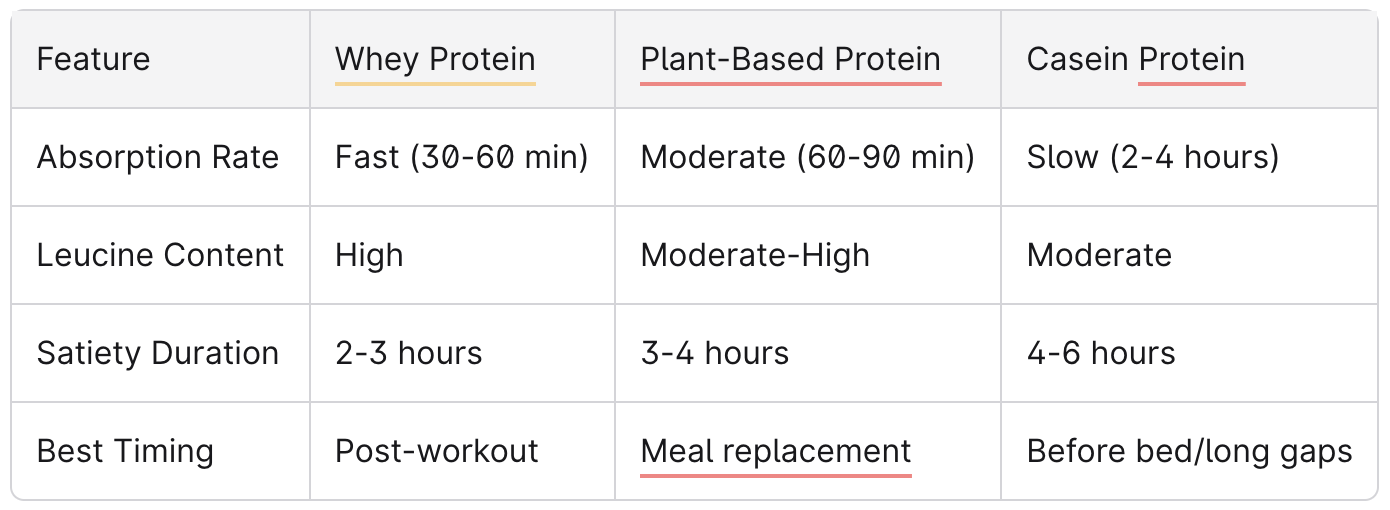
Comparison: Whey vs Plant-Based vs Casein Protein
Protein Options

Whey protein delivers amino acids quickly, perfect post-workout. Plant-based protein digests slower and adds fiber. Casein keeps you full longest, ideal for late-night or long gaps without food.

Transition: Even with the right protein choice and timing, common challenges can still slow your weight loss if not handled properly.

Common Challenges and Solutions

Many people experience obstacles when incorporating protein powder into their weight loss journey, but these issues have straightforward evidence-based solutions that maintain progress toward fat loss goals.

Challenge 1: Not Seeing Weight Loss Results

Solution: Replace higher-calorie foods with protein powder instead of adding it on top of your current intake. Many people add shakes without cutting other calories, which stops weight loss and can cause weight gain. Track your daily calories for a week, including protein shakes, and use them as meal replacements or low-calorie snacks, not extras.

Challenge 2: Digestive Issues or Bloating

Solution: Start with smaller servings (10-15 grams) and increase gradually over 1-2 weeks to let your digestion adjust. Switch to lactose-free whey isolate or plant-based protein if dairy causes issues. Mix with enough water and drink slowly to reduce discomfort.

Challenge 3: Difficulty Meeting Protein Goals Despite Supplementation

Solution: Combine protein powder with protein-rich whole foods at each meal instead of relying only on supplements. Split your protein powder into two smaller servings daily for better absorption and steady amino acid levels.

Add protein-rich snacks like Greek yogurt or lean meats between meals. Make sure your low-protein breakfast includes a protein shake or protein-rich foods to start the day right.

Transition: With proper implementation strategies and solutions to common obstacles, protein powder becomes a valuable tool in your comprehensive weight management approach.

Conclusion and Next Steps

Protein powder supports weight loss when used right in a calorie deficit by helping you feel full, preserve muscle, and boost metabolism. It’s a tool to meet your protein needs and keep muscle, not a magic fix that replaces calorie control and healthy habits.

Research shows high protein diets help you lose more fat and keep it off, but it’s the total protein that matters, not just the supplement.

To get started:

  1. Calculate your daily protein needs based on body weight (1.2-1.6g per kg) and current activity level
  2. Choose a high-quality protein powder with minimal added sugars and artificial ingredients that fits your dietary preferences
  3. Start with one serving daily to replace a high-calorie snack or fill protein gaps, monitoring progress over 4-6 weeks

Related Topics: Consider exploring resistance training for muscle preservation during weight loss, meal timing strategies for optimal protein utilization, and sustainable approaches to long-term weight management that incorporate both protein supplements and whole food protein sources.

Additional Resources

For optimal results, combine protein powder with regular exercise including strength training, focus on whole food protein sources as your primary protein intake, and maintain a balanced diet rich in vegetables, fruits, and other nutrients that support overall health and sustainable weight loss maintenance.

Should You Use Protein Powder for Weight Loss? The Complete Evidence-Based Guide

Introduction

Protein powder can support your weight loss journey when used strategically within a calorie deficit, but it’s not a magic fat-burning solution. This article is here to guide you through the real science behind protein powder and weight loss, helping you understand how it can increase your fullness, preserve your hard-earned lean muscle, and boost your metabolism. Together, we’ll explore how getting enough protein is essential—not just to lose weight, but to keep your metabolism healthy and your body strong throughout the process.

The key lies in understanding that protein powder enhances your natural weight loss efforts rather than acting as a magic solution. Research shows that people who follow high protein diets tend to lose 2-4 kg more weight and experience about 50% less weight regain compared to those on standard protein plans. This article will guide you through how protein powder can fit into your weight loss journey—helping you feel fuller, preserve your hard-earned muscle, and boost your metabolism—so you can lose fat effectively and keep it off for good.

What This Guide Covers

This evidence-based guide examines how protein powder supports weight loss through established mechanisms, optimal usage strategies, and when supplementation makes sense versus relying on whole food protein sources. We also discuss how extra protein can support building muscle and weight management. We do NOT cover specific meal replacement protocols or brand recommendations because my focus is on helping you understand how to make protein powder work for your unique weight loss journey.

Who This Is For

This guide is designed for adults trying to lose weight while preserving muscle mass. Whether you’re struggling to meet daily protein requirements through whole foods alone or looking for evidence-based guidance on protein supplements for weight management, you’ll find practical, research-backed strategies.

Why This Matters

Inadequate protein intake during caloric restriction leads to significant muscle loss and metabolic slowdown, making weight loss harder and weight regain more likely. Knowing how to use protein powder right can be the difference between losing mostly fat or losing valuable lean muscle mass.

What You’ll Learn:

  • How protein powder supports weight loss through satiety, muscle preservation, and metabolic benefits
  • Optimal protein intake ranges and timing strategies for weight loss
  • When protein supplements are beneficial versus when whole foods are sufficient
  • Common challenges and evidence-based solutions for effective implementation

Before incorporating protein powder into your diet, it is recommended to consult a healthcare professional or dietitian.

Understanding Protein Powder and Weight Loss

Protein powder is a concentrated dietary supplement that provides 20-30 grams of protein per serving with minimal calories from carbohydrates or fats. This concentrated format allows people to increase their protein intake without significantly adding calories, which is crucial for maintaining a calorie deficit while trying to lose weight. You can add protein powder to foods like oatmeal, smoothies, or energy bars to get more protein without excessive calories or fat.

Research shows protein supports weight loss in three key ways: it boosts satiety hormones like GLP-1 and PYY, lowers hunger hormones, and helps preserve muscle while improving body composition. This makes it essential during calorie restriction to lose fat effectively.

During weight loss, protein requirements increase from the standard 0.8 grams per kilogram of body weight to 1.2-1.6 grams per kilogram for optimal muscle preservation and metabolic support. It is especially important for older adults to get enough protein to prevent age-related muscle loss and promote weight loss.

How Protein Supports Weight Loss

Protein controls appetite better than carbs or fats by reducing hunger hormones 15-25%, keeping you full for 2-4 hours after eating.

The thermic effect of food is much higher for protein, using 20-30% of protein calories for digestion and metabolism, compared to just 5-10% for carbs and fats. This means your body burns more calories processing protein than other macronutrients.

Most importantly, adequate protein intake prevents the 3-5% muscle loss typically seen during caloric restriction, helping maintain metabolic rate and improving overall body composition. Incorporating protein powder into your diet can offer additional health benefits, such as supporting weight loss, providing essential nutrients, and contributing to overall wellness when used appropriately.

However, too much protein, especially from powders like whey, can cause weight gain, digestive issues, or harm kidney function in some people. Use protein supplements moderately and consult a healthcare professional to find the right amount for you.

Protein Powder vs Whole Food Proteins

Protein powder is convenient and calorie-dense, providing complete protein with essential amino acids in a low-calorie, easy-to-prepare form. It’s ideal for busy days or when your appetite is low during weight loss. Rice and pea protein are often less allergenic, making them good choices for sensitive individuals.

Whole food protein sources like lean meats, Greek yogurt, plant-based yogurt, and other plant-based options provide nutrients, fiber, and better satiety that protein supplements can’t match. Plant-based yogurt is a high-protein, low-calorie snack or ingredient to boost protein intake in oatmeal or smoothies while keeping your diet healthy. While protein powder is convenient, whole foods offer more complete nutrition and greater fullness per calorie.

Transition: Understanding these fundamental differences helps determine when protein supplementation enhances weight loss versus when whole food protein sources are sufficient for your goals.

Remember to check nutrient labels on protein powders to ensure you are getting the desired amount of protein per serving.

How Much Protein Do You Need for Weight Loss?

Figuring out how much protein you need is key to effective weight loss. Aim for about 1.3 grams of protein per kilogram of body weight (0.59 grams per pound) daily to lose fat while preserving lean muscle. For example, if you weigh 68 kg (150 lbs), target around 88 grams of protein each day. We set this goal and achieve it together.

Meeting this target is easier when we combine different protein sources that work for your lifestyle. Whole foods like lean meats, fish, eggs, dairy, and legumes should be the foundation of your protein intake because that's what your body really needs. However, if you struggle to reach your daily protein needs through food alone, adding a protein supplement such as whey protein, pea protein, rice protein, or soy protein can help fill that gap. These protein powders has been a game-changer for many of my clients - they're convenient, versatile, and can provide a complete amino acid profile, especially when you choose plant based protein blends that work with your body.

When choosing protein powder, check the ingredient list carefully. Avoid added sugars, artificial sweeteners, and fillers that don't support your weight loss goals. This helps you avoid extra calories and unwanted additives that can hinder your progress.

By consistently hitting your daily protein target with a mix of whole foods and quality protein supplements, you’ll maintain muscle, support your metabolism, and lose weight sustainably. I guide everyone to achieve these goals together—no excuses, just results.

Creating a Calorie Deficit: The Foundation of Weight Loss

At the heart of every successful weight loss journey is a calorie deficit—you must consume fewer calories than your body burns daily. This forces your body to use stored fat for energy, leading to steady, lasting weight loss.

To create a calorie deficit, focus on a balanced diet rich in whole foods. Prioritize protein-rich foods like Greek yogurt, lean meats, eggs, beans, and lentils at every meal. These keep you full and support muscle mass, which is key for a healthy metabolism during weight loss. Aim to cut 500-1000 calories daily to lose about 0.5-1 kg (1-2 lbs) per week safely and steadily.

Incorporating regular exercise, especially strength training, boosts your results by building and preserving the lean muscle you need. More muscle means your body burns more calories at rest, making it easier to maintain your weight loss. Physical activity also supports overall health and enhances fat loss beyond what diet alone can do.

Strategically drink protein shakes as part of your routine—either after workouts or as a satisfying snack—to help you maintain muscle and curb hunger that might sabotage your efforts. Combining a high protein diet with a calorie restricted diet is a proven way for you to lose body fat while preserving lean muscle that you worked hard to build.

You want to monitor your progress regularly and adjust your calorie deficit as needed to keep your weight loss journey healthy and sustainable for the long haul. By focusing on whole foods, high protein intake, and consistent physical activity, you'll set yourself up for long-term weight management and improved overall health that will change your life.

Benefits of Using Protein Powder for Weight Loss

Research consistently demonstrates that strategic protein powder use amplifies the natural weight loss mechanisms discussed in the previous section, particularly when combined with regular exercise and a balanced diet. Managing excess weight requires not only adequate protein intake but also calorie control and the adoption of healthy habits to prevent gaining or regaining excess weight.

Appetite Control and Reduced Cravings

Protein shakes create sustained fullness that cuts between-meal snacking and late-night cravings. Studies show people using protein supplements have 25% fewer cravings for high-calorie foods and eat 200-400 fewer calories daily.

The amino acids in quality protein powders—especially leucine in whey—trigger fullness signals more effectively than most solid foods when calories are controlled. This makes protein powder ideal for those struggling with portion control or frequent hunger during calorie cuts.

Muscle Preservation During Weight Loss

Adequate protein intake through supplementation prevents muscle loss during weight loss, helping maintain metabolism and improve body composition. Research shows high protein diets mainly reduce body fat while preserving lean muscle.

This effect is stronger during aggressive calorie deficits, where protein powder helps meet higher protein needs despite reduced food intake. Keeping muscle mass ensures weight loss comes from fat, not muscle.

Metabolic Advantages

Preserved muscle mass through adequate protein intake maintains daily energy expenditure during weight loss, supporting long-term weight maintenance. Studies show high protein diets keep resting energy expenditure about 142 calories higher per day than standard protein diets.

Consuming protein supplements around workouts boosts fat burning, especially when combined with strength training for better body composition.

Key Points:

  • Protein powder enhances natural satiety and metabolic mechanisms rather than creating magical fat-burning effects
  • Benefits are most pronounced when combined with resistance training and consistent use over 8-12 weeks
  • Effects require maintaining a calorie deficit - protein powder cannot overcome excess calorie consumption

Transition: Understanding these benefits provides the foundation for implementing protein powder strategically within your weight loss journey.

How to Use Protein Powder Effectively for Weight Loss

Use protein powder by calculating your protein needs and timing shakes for maximum fullness and muscle preservation. Best times: morning, meal replacement, between meals, or around workouts. Balance protein intake with your calorie goals to avoid slowing weight loss.

Step-by-Step: Implementing Protein Powder for Weight Loss

When to use this: Adults in a calorie deficit aiming to preserve muscle while losing fat.

  1. Calculate protein needs: Multiply your body weight in kg by 1.2-1.6 (up to 2.0 if doing strength training).
  2. Track current intake: Monitor protein from whole foods for 3-5 days to find gaps.
  3. Choose serving size: Use 20-30 grams of protein powder to fill gaps without exceeding calorie goals.
  4. Time intake: Take within 2 hours after workouts or as a low-calorie snack to control appetite.

Comparison: Whey vs Plant-Based vs Casein Protein

Protein Options

Whey protein delivers amino acids quickly, perfect post-workout. Plant-based protein digests slower and adds fiber. Casein keeps you full longest, ideal for late-night or long gaps without food.

Transition: Even with the right protein choice and timing, common challenges can still slow your weight loss if not handled properly.

Common Challenges and Solutions

Many people experience obstacles when incorporating protein powder into their weight loss journey, but these issues have straightforward evidence-based solutions that maintain progress toward fat loss goals.

Challenge 1: Not Seeing Weight Loss Results

Solution: Replace higher-calorie foods with protein powder instead of adding it on top of your current intake. Many people add shakes without cutting other calories, which stops weight loss and can cause weight gain. Track your daily calories for a week, including protein shakes, and use them as meal replacements or low-calorie snacks, not extras.

Challenge 2: Digestive Issues or Bloating

Solution: Start with smaller servings (10-15 grams) and increase gradually over 1-2 weeks to let your digestion adjust. Switch to lactose-free whey isolate or plant-based protein if dairy causes issues. Mix with enough water and drink slowly to reduce discomfort.

Challenge 3: Difficulty Meeting Protein Goals Despite Supplementation

Solution: Combine protein powder with protein-rich whole foods at each meal instead of relying only on supplements. Split your protein powder into two smaller servings daily for better absorption and steady amino acid levels.

Add protein-rich snacks like Greek yogurt or lean meats between meals. Make sure your low-protein breakfast includes a protein shake or protein-rich foods to start the day right.

Transition: With proper implementation strategies and solutions to common obstacles, protein powder becomes a valuable tool in your comprehensive weight management approach.

Conclusion and Next Steps

Protein powder supports weight loss when used right in a calorie deficit by helping you feel full, preserve muscle, and boost metabolism. It’s a tool to meet your protein needs and keep muscle, not a magic fix that replaces calorie control and healthy habits.

Research shows high protein diets help you lose more fat and keep it off, but it’s the total protein that matters, not just the supplement.

To get started:

  1. Calculate your daily protein needs based on body weight (1.2-1.6g per kg) and current activity level
  2. Choose a high-quality protein powder with minimal added sugars and artificial ingredients that fits your dietary preferences
  3. Start with one serving daily to replace a high-calorie snack or fill protein gaps, monitoring progress over 4-6 weeks

Related Topics: Consider exploring resistance training for muscle preservation during weight loss, meal timing strategies for optimal protein utilization, and sustainable approaches to long-term weight management that incorporate both protein supplements and whole food protein sources.

Additional Resources

For optimal results, combine protein powder with regular exercise including strength training, focus on whole food protein sources as your primary protein intake, and maintain a balanced diet rich in vegetables, fruits, and other nutrients that support overall health and sustainable weight loss maintenance.

Luis Centeno

Luis Centeno is the Founder, Owner + Lead Trainer at FIT RESULTS ®️ Second Chance turned entrepreneur Changing lives through fitness. Master Trainer Certified (Personal Training, Strength Training Specialist, Nutrition Specialist, Endurance Specialist, Nutrition Coach, S + C Coach. Passionate about helping others reach their personal goals. The more lives I can help change, the better I feel about the big task that is at hand to make the world a better place.

looking for a gym
In the chicago area?

GET A FREE CONSULTATION