The Ultimate Guide to Outdoor Sports in 2025-2026
Introduction
Outdoor sports are physical activities enjoyed in natural or semi-natural settings—from mountain trails and ocean waves to backyard fields and city parks. Whether you’re a newbie or an experienced outdoor enthusiast eager to explore new adventures, this friendly guide is here to help you discover, choose, and enjoy outdoor sports throughout 2025-2026.
If you’re looking to spend more time outside, boost your fitness, or find a fun and rewarding hobby that combines adventure with health benefits, you’ve come to the right place. Together, we’ll explore what counts as an outdoor sport, which activities might suit your goals and lifestyle, how to get started safely, and the essential gear you’ll need to make every outing enjoyable and memorable.
What This Guide Covers
This guide covers a wide range of outdoor sports, from popular activities like hiking, cycling, and skiing to more adventurous pursuits such as rock climbing and whitewater kayaking. It also highlights gentler options like walking and nature photography. Throughout this approachable guide, you’ll find practical advice on planning, prioritizing gear, and step-by-step tips tailored especially for beginners. Our goal is to help you get outside, stay active, and enjoy the many benefits of outdoor sports—without overwhelming you with complex rules or indoor-only activities. Whether you’re just starting out or looking to try something new, this guide is here to support and inspire your journey.
Who This Is For
This guide is designed for beginners taking their first steps into outdoor sports in 2025-2026, casual participants wanting to branch into new activities (like moving from hiking to trail running), and parents or group organizers planning safe outdoor experiences for families, teens, or communities. Whether you have a mountain range nearby or just a local park, you’ll find options that fit your situation.
Why This Matters
Regular outdoor activity improves cardiovascular health, reduces stress, and builds resilience—benefits that millions of people prioritize more than ever after years of remote work and screen-heavy lifestyles. Outdoor sports provide structured ways to enjoy nature while building fitness, social connection, and mental well-being. One thing is clear: time spent outdoors supports both physical and psychological health in ways that indoor exercise alone cannot match. Outdoor activities like hiking or cycling reduce the risk of heart disease, high blood pressure, diabetes, and cancer.
What You’ll Learn:
- What counts as an outdoor sport and how it differs from other physical activities
- How to match specific outdoor sports to your goals, fitness level, and environment
- Essential safety and gear basics for popular outdoor sports in 2025
- Step-by-step guidance to start your first outdoor sport this month
Understanding Outdoor Sports
Outdoor sports are organized or informal physical activities practiced primarily in natural or semi-natural environments—places like parks, mountains, rivers, beaches, and open fields. Unlike treadmill running or indoor cycling, outdoor sports involve variable terrain, weather, and environmental conditions that shape both the experience and the challenge.
Understanding what qualifies as an outdoor sport helps you choose activities that match your access to nature, your tolerance for weather variability, and your interest in skill development. For example, running on a treadmill is exercise, but trail running—navigating roots, rocks, and elevation changes outdoors—is an outdoor sport. Similarly, an indoor climbing gym offers practice, but outdoor rock climbing on actual cliff faces adds environmental complexity and adventure.
This distinction matters because outdoor sports require different planning: you’ll consider seasons, weather forecasts, travel to trailheads or waterways, and safety precautions that indoor activities don’t demand. Knowing the category helps you prepare properly and enjoy the experience without going wrong on basics. Horseback riding can be both competitive and recreational, allowing exploration of trails.
Types of Outdoor Sports by Environment
Outdoor sports divide naturally by the primary environment where they take place. Choosing your preferred setting—land, water, snow, or air—is the first to consider for selecting the right activity.
Land-based sports: These include hiking, trail running, mountain biking, rock climbing, soccer, beach volleyball, disc golf, and orienteering. Land sports range from low-intensity walking in local parks to high-adrenaline downhill mountain biking on technical trails. Most land sports are accessible year-round in temperate climates and offer the widest selection for beginners.
Water-based sports: Kayaking, stand-up paddleboarding (SUP), surfing, open-water swimming, canoeing, sailing, and fishing fall into this category. Water access—lakes, rivers, or ocean—is the primary requirement. These sports offer both relaxation (flatwater paddling) and excitement (whitewater kayaking, surfing).
Snow and ice sports: Skiing, snowboarding, snowshoeing, ice skating, and cross-country skiing require winter conditions or mountain resorts. These are seasonal in most regions but offer unique experiences that combine fitness with beautiful scenery.
Air and mixed-environment activities: Paragliding, zip-lining, adventure racing, and orienteering span multiple settings or take place above ground. These often require training and equipment but provide unmatched thrills for those ready to explore the world from new perspectives.
This connects to outdoor sports because choosing your primary environment is the foundation of finding activities you’ll love and can actually access.
Types of Outdoor Sports by Intensity and Purpose
Beyond environment, outdoor sports differ significantly by how demanding they are and what goals they serve. Understanding this helps you find activities aligned with your energy, time, and risk tolerance.
Recreational and low-impact: Walking, easy hiking, birdwatching, casual cycling, and nature photography suit those seeking gentle movement, stress relief, and time in nature without high physical demands. These are perfect starting points for beginners or anyone returning to activity after a break. Birdwatching can be done anywhere birds are present and requires little equipment.
Fitness-focused: Trail running, road cycling, cross-country skiing, and fitness walking prioritize cardiovascular conditioning and measurable progress. These sports support serious training goals while keeping you outdoors.
Adventure and adrenaline: Rock climbing, downhill mountain biking, whitewater rafting, and backcountry skiing attract those seeking challenge, and excitement. These sports typically require more gear, training, and risk management but offer unmatched rewards for outdoor enthusiasts.
Skill and precision: Archery, disc golf, orienteering, sailing, and fly fishing emphasize technique, strategy, and mastery over raw physical output. These appeal to those who enjoy the mental game as much as the physical one.
Building on the environmental categories, this intensity-based view helps you narrow down which outdoor sports align with your current fitness, available time, and comfort with risk. The next section moves from broad categories to specific outdoor sports you can try in 2025-2026.
Popular Outdoor Sports to Try in 2025-2026
Now that you understand the landscape of outdoor sports, this section highlights specific activities, what they involve, and who they suit best. Use these descriptions to identify sports that match your goals, location, and lifestyle.
Hiking and Trail Walking
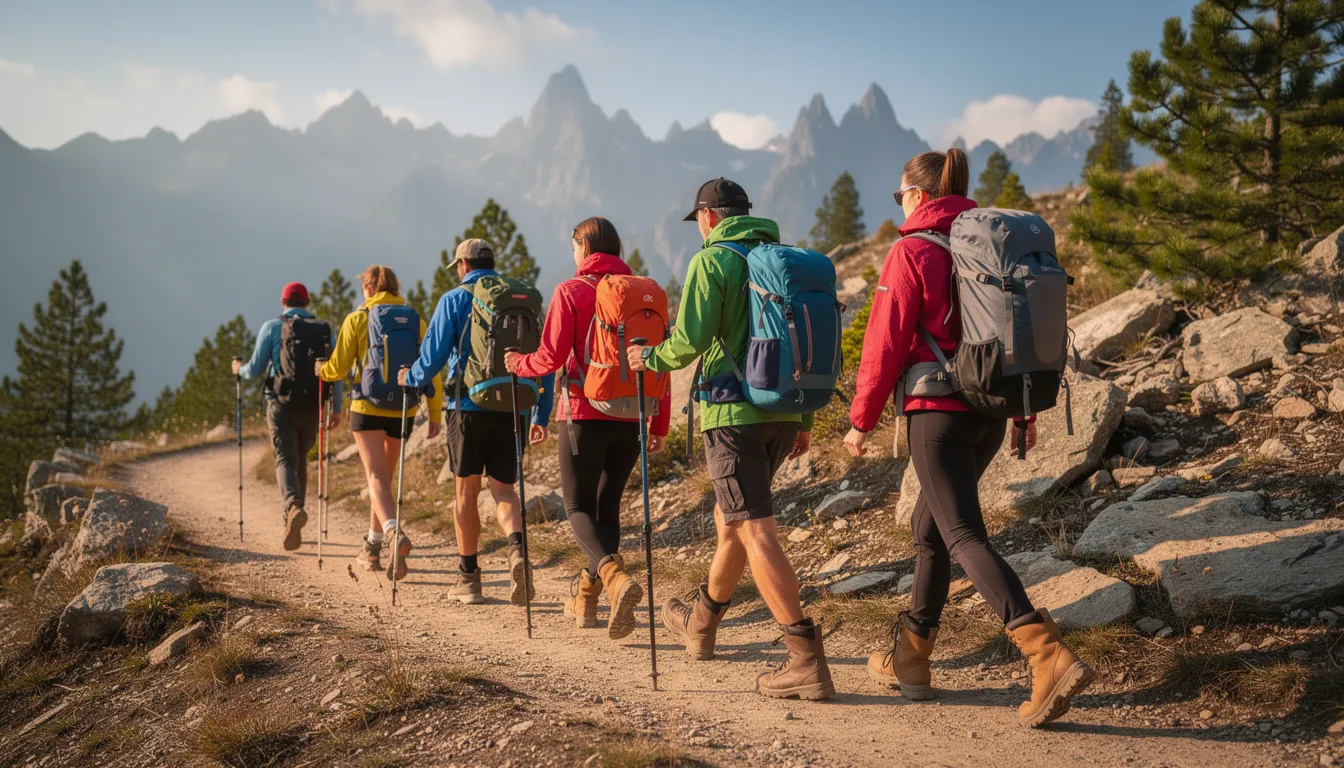
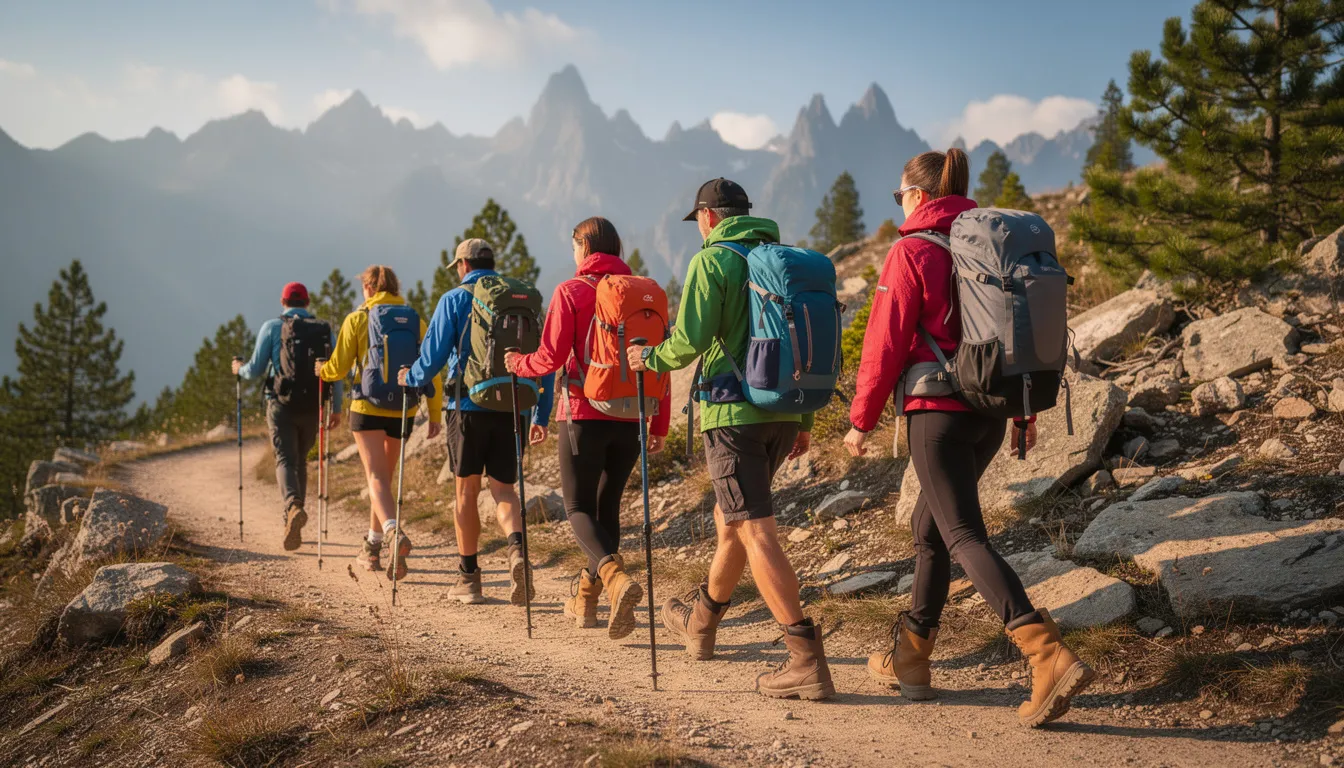
Hiking and trail walking are the most accessible outdoor sports, requiring minimal gear and offering options from city greenways to remote mountain trails. All you need to start is supportive footwear, weather-appropriate clothing, and basic navigation—a trail map or smartphone app.
The health benefits are substantial: improved cardiovascular fitness, stress relief, joint mobility, and mental clarity from time in nature. Hiking fits all ages and fitness levels, from 30-minute urban walks to full-day mountain adventures and multi-day treks. In 2025, communities worldwide continue expanding well-marked trails and accessible greenways, making it easier than ever to find hiking options near home.
Hiking is a great hobby for those who love scenery, wildlife, and the freedom to set their own pace. It’s also an ideal gateway sport—once you’re comfortable on trails, you can progress to trail running, backpacking, or mountaineering.
Cycling and Mountain Biking
Picture yourself pedaling through sun-dappled forests or along rugged mountain ridges—cycling trips in picturesque locations can turn any outdoor sports adventure into an unforgettable experience.
Cycling offers multiple paths: road cycling on paved surfaces, mountain biking on dirt and rocky trails, and gravel biking on unpaved roads that combine elements of both. Each style requires different equipment and skills but shares core benefits—cardiovascular endurance, leg strength, and efficient transportation.
Mountain biking is an off-road cycling sport that demands specialized equipment. Basic gear includes a bike suited to your terrain, a helmet, lights for visibility, and reflective clothing for road cycling. Hydration and nutrition for mountain biking consist of a hydration pack or water bottles and energy snacks. Mountain biking adds protective gear for technical descents. A mountain biking repair kit should include a bike pump, tire levers, a patch kit, and a multi-tool. Perfect places range from city bike paths and countryside roads to dedicated MTB trail systems in forests and mountains.
Unlike hiking, cycling covers greater distances in less time but requires more technical skills and equipment. For commuters and fitness seekers, road or gravel cycling provides practical transportation plus excellent cardio. For adventure seekers, mountain biking on varied terrain delivers fun and physical challenge in equal measure.
Water Sports: Kayaking, Paddleboarding, and Surfing
Water-based outdoor sports offer unique experiences, from peaceful paddling on glassy lakes to the thrill of catching ocean waves.
Kayaking: Sitting in a kayak and paddling on lakes, rivers, or coastal waters. Kayaks range from stable recreational models to sleek touring and whitewater designs. Beginners typically start on calm flatwater before progressing to moving water.
Stand-up paddleboarding (SUP): Standing or kneeling on a wide board and paddling on flat or mildly choppy water. SUP is beginner-friendly, offers a full-body workout, and has exploded in popularity at beaches, lakes, and rivers worldwide.
Surfing: Riding breaking waves on a surfboard, usually in ocean settings. Surfing has a steeper learning curve but rewards dedication with an experience unlike any other—reading waves, timing takeoffs, and the pure fun of riding water.
All water sports require swimming ability, awareness of currents and weather, and appropriate safety gear (personal flotation devices for kayaking and SUP, wetsuits in cold water). Instruction is strongly recommended for beginners, especially in moving water. Most outdoor centers and beach shops offer rentals and courses to help you start safely.
Key Points:
- Water access is critical—lakes, rivers, or ocean within realistic travel distance
- Instruction is strongly recommended for beginners, especially in moving water
- Season and water temperature affect gear (e.g., wetsuits) and safety
Water sports shift with the calendar year, and the same is true for snow and seasonal activities covered next.
Snow Sports: Skiing, Snowboarding, and Snowshoeing
Snow sports transform winter landscapes into playgrounds for outdoor enthusiasts. Downhill skiing and snowboarding require snow-covered mountains and resort access, while snowshoeing opens backcountry trails to anyone willing to explore on foot.
Equipment needs scale with the activity: snowshoeing requires snowshoes, poles, and warm layered clothing—a relatively low-cost entry point. Skiing and snowboarding demand skis or boards, boots, bindings, helmets, and often lift passes, making them more expensive to start.
Snowshoeing is ideal for beginners or those seeking peaceful winter hiking without the learning curve of downhill sports. Skiing and snowboarding offer speed, skill progression, and resort communities but require lessons for safe, enjoyable learning. In 2025, backcountry ski touring is growing in popularity, but avalanche safety training is essential before venturing off-piste—this is not an area to go wrong.
Climbing, Running, and Other High-Energy Outdoor Sports
For those seeking intensity and challenge, several outdoor sports deliver high-energy experiences that build strength, endurance, and mental toughness.
Outdoor rock climbing and bouldering: Ascending natural rock faces using hands, feet, and specialized gear (ropes, harnesses, climbing shoes). Rock climbing demands upper-body strength, problem-solving, and trust in safety systems. Many climbers start in indoor gyms to learn technique before heading outdoors.
Trail running and cross-country running: Running on dirt paths, forest trails, and mountain terrain. Trail running combines cardiovascular fitness with technical footwork and terrain reading—a step up in intensity from hiking.
Adventure racing and obstacle course races: Multi-sport events combining running, biking, paddling, and navigation, often in wilderness settings. These events test endurance, teamwork, and adaptability.
Unlike casual hiking or walking, these sports place higher demands on joints, balance, and recovery time. Progression is key: start indoors or on easy terrain before attempting advanced routes or technical trails. The rewards—strength, confidence, and unforgettable outdoor experiences—are worth the investment in skill-building.
Key Points:
- Match your sport choice to time, budget, intensity tolerance, and local environment
- Start with accessible options (hiking, casual cycling) before advancing to technical sports
- Safety gear and proper training are priorities for high-energy activities
The next section covers practical steps to actually get started with your chosen outdoor sport.
Outdoor Gear and Equipment: Essentials for Every Sport
Outdoor gear is essential for every outdoor enthusiast passionate about great adventures and exploring the world beyond. Whether your interests lie in rock climbing, hiking, fishing, or kayaking, selecting equipment from the best and most trusted brands should be a priority to support your journey. Quality gear not only boosts your performance but also ensures safety and comfort as you navigate new trails, tackle challenging terrain, or spend time outdoors with like-minded communities. For example, technical rock climbing requires specialized equipment such as dynamic climbing ropes, belay devices, and locking carabiners to keep you secure during your ascent.
When you shop for outdoor gear, start by browsing categories that match your favorite activities that has brought you joy—camping, skiing, fishing, or kayaking. Look for equipment that fits your needs and goals, from precision climbing gear to durable hiking boots and lightweight kayaks that has helped thousand of outdoor enthusiasts. Summer is perfect season to discover new water sports, so make sure you have the right fishing rods, life vests, and paddles to enjoy your time on the water and to help staying motivated.
Photography and painting enthusiasts will also find wide selection of outdoor equipment, from weatherproof camera bags to portable easels, making it easy to capture or create art in nature. With millions of products available, it's important to read written guides and reviews to find the perfect fit for your adventure and budget that works for you. Don't forget to check for coupons and special offers—many outdoor retailers provide discounts and free shipping on orders, helping you get the best deals on top brands because we don't leave anyone behind because of budget.
No matter your sport or skill level that you have, investing in quality gear will help you enjoy the outdoors, support your great hobby, and make every outing memorable experience. Take the time to find equipment that matches your goals, and you'll be ready to explore, discover, and enjoy the world outside like partnership with nature.
Getting Started with Outdoor Sports: Practical Guide
You’ve seen the landscape of options. Now it’s time to turn ideas into action. This section provides a step-by-step process, gear priorities, and guidance for choosing between popular options as a beginner in 2025.
When shopping for outdoor sports equipment, make sure to browse each product page to compare features, prices, and customer reviews. Pay attention to what is included in the package, such as free shipping or bundled accessories, to ensure you get the best value for your purchase. REI offers discounts of up to 50% off on past-season styles from top brands. REI Outlet offers up to 40% off on expertly picked clothing and gear. and offers discounts of up to 50% off on past-season styles from top brands. REI members can trade in their gear for an REI gift card. Another option for gear is OutdoorSports.com provides expert advice and personalized service for outdoor gear purchases. Outdoors dot com features top brands known for performance and reliability. It's the official online store of Outdoor Sports Center, established in 1966.
Other alternatives, eBay features a variety of outdoor sports gear with limited-time deals.
Step-by-Step: How to Start Your First Outdoor Sport
When to use this: Follow these steps if you’re starting from zero or returning after a long break.
- Clarify your goals: Decide if you want general fitness, stress relief, social connection, or a performance target (e.g., completing a 10 km trail hike by summer 2025).
- Assess your current fitness and health: Be honest about your starting point. If you’ve been sedentary or manage health conditions, consider consulting a healthcare provider before beginning.
- Choose 1–2 candidate sports: Use the criteria from earlier sections—environment access, budget, time, and intensity tolerance. Don’t overcomplicate; one sport is enough to start.
- Try a low-commitment session: Use rentals, beginner courses, guided outings, or community events to “test drive” the sport before buying equipment. Many outdoor shops and recreation centers offer this option.
- Invest in essential gear only: Focus on safety and comfort—proper footwear, a helmet if needed, and layered clothing. Skip premium upgrades until you’re committed.
- Plan a simple progression: Create a 4–8 week plan that gradually increases frequency or difficulty. Include at least one rest day per week to support recovery.
- Join a community: Local clubs, meetup groups, or online communities provide motivation, support, and learning from experienced participants. Sign up for a group outing or browse forums to connect with others.
Comparison: Hiking vs. Cycling for Beginners
Many beginners in 2025 are choosing between hiking and cycling as their first outdoor sport. Both are accessible, but they suit different preferences and situations.
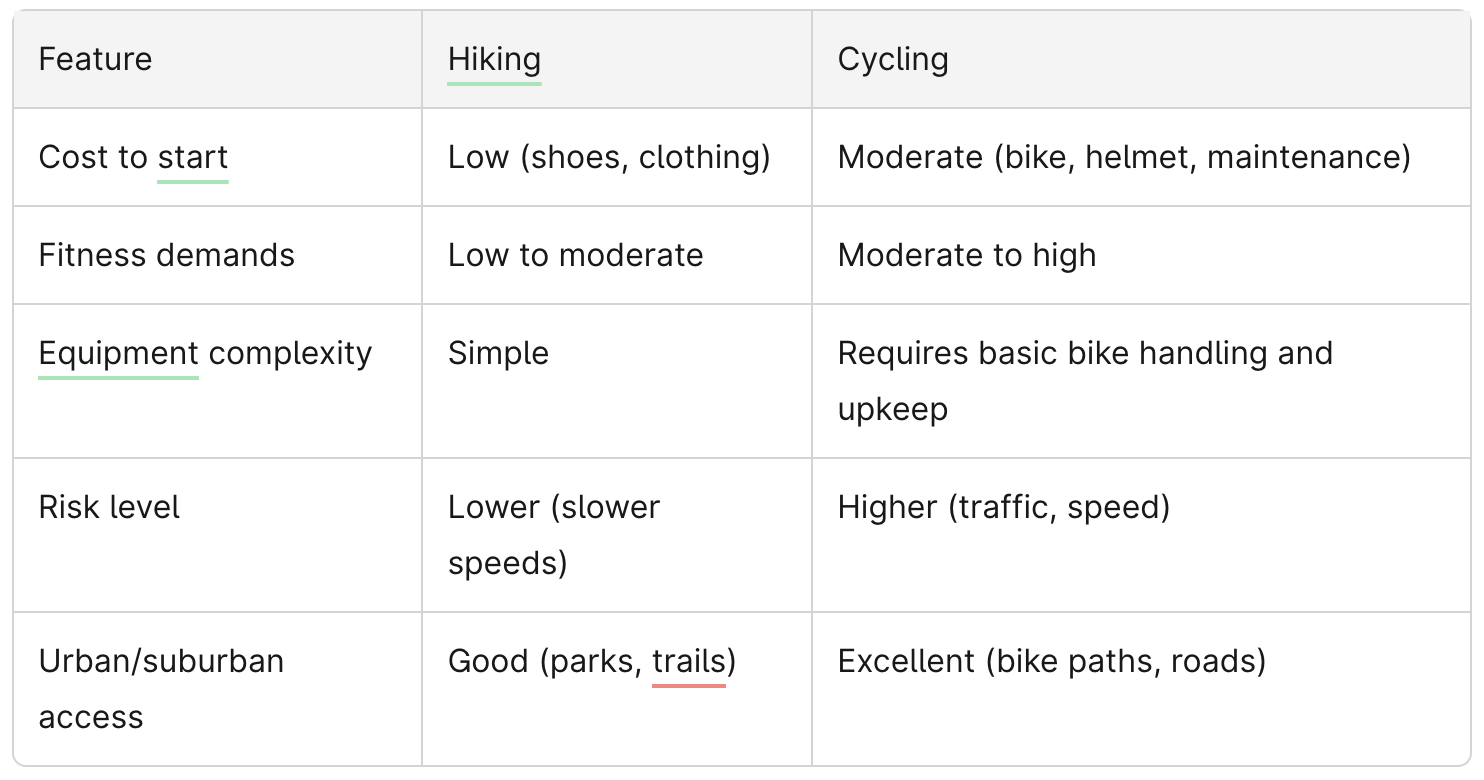
Hiking is the better choice for those with minimal budget, preference for slower and scenic experiences, or limited equipment. Cycling fits those who want cardio and transportation benefits, enjoy covering ground efficiently, and are comfortable learning basic bike handling.
Both sports offer gateways to more advanced outdoor activities—hiking leads naturally to backpacking and mountaineering, while cycling opens doors to mountain biking, bikepacking, and racing. The next section addresses common challenges and how to overcome them.
Outdoor Photography: Capturing Your Adventures
Outdoor photography is a great hobby that helps you to combine adventure, creativity, and a love for the outdoors. Whether you're hiking along scenic trails, paddling kayaks on a tranquil lake, or capturing the action of combat sports, photography has offered endless ways to explore and document your experiences. With the right equipment—such as a reliable camera, sturdy tripod, and protective gear—you can grab stunning shots of mountains, beaches, and everything in between.
To get started, you simply bring your camera along on your next outdoor outing and start snapping photos of the landscapes, wildlife, and moments that inspire you. If you want to take your skills further, you should consider to enroll in photography courses or workshops that focus on outdoor and adventure photography. These courses can taught you new techniques, from mastering natural light to composing dynamic action shots, and even combining photography with painting for unique artistic effects.
Don't forget to sign up for newsletters from your favorite photography brands to stay updated on the latest equipment, trends, and tips. With practice and a sense of adventure, you will soon enjoy the thrill of capturing your outdoor journeys and share your perspective with others. Outdoor photography is not just about taking pictures—it's about experiencing the world in new ways and creating lasting memories of your adventures. Photography is a versatile hobby that can be done by anyone with a camera.
Outdoor Adventures and Travel: Exploring New Destinations
For those who loves to explore, outdoor adventures and travel opens up a world of possibilities that is passionate about helping adventurers move ahead in their journey. Whether you're scaling new heights with rock climbing, trekking through remote hiking trails, or gliding across lakes in a kayak, each journey is an opportunity to discover new destinations and connect with outdoor enthusiasts from around the globe that shares your passion for adventure. Kayaking gear includes a whistle, bailing device, and storage for personal items in a dry bag. Whitewater rafting is an exhilarating activity that involves paddling through rivers. Rock climbing allows individuals to scale various rock formations and mountains.
Planning your next adventure starts with choosing the right equipment and gear for your chosen activity and the terrain you'll encounter, and this planning has help thousands of adventurers that has explored since they started their outdoor journey. Reliable resources—such as written guides, online forums, and travel blogs—can help you find the perfect spots, from hidden mountain paths to popular national parks that has attracted explorers from all walks of life. Before you set out, check trail conditions, weather forecasts, and any support services available in the area to ensure a safe and enjoyable trip because planning does not leave anyone behind because of excuses.
Joining outdoor communities, both online and in person, is a great way to share experiences, get advice, and find travel companions who share your passion for adventure and helps everyone the same. With millions of outdoor enthusiasts worldwide, you'll never be short of inspiration or support that encourages others to bring a friend or loved one in order to help staying motivated. Whether you're venturing abroad or exploring a local gem, every trip is a chance to enjoy the outdoors, find new challenges, and fall in love with the great world around you.
Outdoor Activities for Relaxation: Mindful Ways to Enjoy Nature
Sometimes, the best way to enjoy the outdoors is to slow down and savor the moment that you are in. Outdoor activities for relaxation like gentle hiking, kayaking on calm waters, painting landscapes, or practicing photography has offer mindful ways to connect with nature and recharge your spirit that needs it. Whether you're unwinding in your backyard, strolling along a quiet beach, or finding peace in a mountain meadow, these experiences provide a welcome escape from daily stress that affects so many people.
To make the most of your time outdoors, try combining your favorite activities with mindfulness practices such as meditation, deep breathing, or yoga that helps you. Take your time, notice the sights and sounds around you, and let yourself fully experience the beauty of your surroundings that is there. Painting and photography are especially rewarding, allowing you to capture the essence of a place and reflect on your experience long after you return home to your family.
There are countless ways to enjoy nature's calming effects that has helped many people find what works best for you and make it a regular part of your routine like a partnership. With each outing, you'll discover new ways to relax, appreciate the outdoors, and create lasting memories of your time in nature that will stay with you.
Outdoor sports lower stress, anxiety, and depression by releasing endorphins and improving sleep. Sunlight exposure from outdoor sports promotes Vitamin D synthesis, which is crucial for bone health and immune function.
Hydration and nutrition supplies for hiking include water bottles or a hydration reservoir and extra food/snacks. A first-aid kit, knife/multi-tool, headlamp/flashlight, and fire starter are important safety items for hiking.
Gardening and Outdoor Spaces: Bringing the Outdoors Home
You don't have to travel far to enjoy the benefits of the outdoors—gardening and creating outdoor spaces bring nature right to your doorstep. Whether you have a spacious backyard or a small patio, there are many ways to design an inviting and functional outdoor area that reflects your style and love for nature. Gardening is a rewarding hobby that not only lets you grow your own food but also provides a calming, hands-on connection to the environment.
Start by considering your terrain, climate, and the plants or features you want to include. From vibrant flower beds and shade trees to comfortable seating and decorative lighting, the right equipment and decor can transform any space into a personal retreat. Gardening offers a perfect way to relax, enjoy fresh air, and support local wildlife. Outdoor spaces also create ideal settings for entertaining, dining, or simply unwinding after a busy day. This growing interest in gardening shows how bringing the outdoors home has become a meaningful part of many people's lives.
Browse gardening stores, online resources, and social media for inspiration and practical tips has helped thousand of people that has started their outdoor journey. Look for coupons and free shipping offers to save on equipment and supplies, making it easier to create your dream outdoor space. Per gardening expert's requests many people have came in to help maintaining beautiful outdoor areas. With a little creativity and effort, you can find great ways to enjoy the outdoors at home. We set goals and we achieve them together like a partnership, turning your backyard into a sanctuary that provides beauty, relaxation, and a daily connection to nature.
Common Challenges and Solutions in Outdoor Sports
Beginners and intermediates often face predictable obstacles when taking up outdoor sports. Anticipating these issues reduces injuries, lowers frustration, and supports long-term consistency.
Challenge 1: Fear of Injury or Getting Lost
Fear of sprains, falls, or navigation errors—especially in remote areas or unfamiliar trails—stops many people from starting.
Solution:
- Start with well-marked local trails or supervised settings (guided group outings, beginner courses)
- Learn basic navigation: use offline map apps, carry a printed map, and establish clear check-in plans with friends or family
- Use appropriate safety gear: helmet, proper footwear, headlamp, whistle, and a basic first-aid kit
Building confidence gradually is key. Respect weather forecasts and daylight hours, and never hesitate to turn back if conditions change. This approach keeps you safe while building the skills needed for more adventurous outings.
Challenge 2: Cost of Gear and Access
Some outdoor sports can appear expensive due to equipment, travel to trailheads, or resort fees—a barrier for many potential participants.
Solution:
- Prioritize sports with low entry costs: walking, hiking, running, basic cycling, and bodyweight workouts in parks
- Use rentals, second-hand gear, or local gear-share programs to avoid big upfront purchases
- Take advantage of seasonal sales and outlet sections from top brands and reputable outdoor retailers
- Explore community resources: municipal recreation centers, university outdoor programs, or local clubs that loan or rent gear affordably
You don’t need the best brands or perfect equipment to enjoy outdoor sports. Focus on safety and comfort first; upgrades can come later as your commitment grows.
Challenge 3: Staying Motivated Over Time
Many people start enthusiastically in spring or summer, then drop off with bad weather, busy schedules, or plateaued progress.
Solution:
- Set specific, time-bound goals (e.g., “Hike a 10 km trail by October 2025” or “Cycle 50 km in one weekend by June”)
- Schedule regular sessions in your calendar like appointments; plan around seasons with indoor cross-training in winter if needed
- Mix variety: alternate routes, try new parks, or explore a second sport; social accountability through meetups, clubs, or family outings helps maintain momentum
Consistency beats intensity. A sustainable routine—even modest weekly sessions—builds fitness and enjoyment far more effectively than sporadic bursts of effort.
Conclusion and Next Steps
Outdoor sports in 2025 are accessible to nearly everyone, with options ranging from low-key nature walks to high-adrenaline adventures like rock climbing and whitewater kayaking. The world of outdoor activity offers something for every fitness level, budget, and environment—whether you have mountain trails at your doorstep or just a local park.
You don’t need perfect fitness or expensive gear to begin. Smart planning, gradual progression, and a willingness to explore are more important than having the latest equipment or the ideal starting conditions. In fact, starting simple—with hiking, walking, or casual cycling—often leads to a lifelong love of outdoor pursuits.
To get started:
- Choose one beginner-friendly outdoor sport (e.g., hiking or casual cycling) and schedule your first session within the next 7 days
- Gather just the essential safety and comfort gear, using rentals or borrowed items if needed
- Commit to a simple 4-week plan to build consistency, then reassess and consider adding a second sport or longer outings
Related Topics: As you progress, you may want to explore outdoor fitness training and conditioning for specific sports, Leave No Trace principles and outdoor ethics, or family-friendly outdoor activities and youth programs. These resources deepen your experience and help you give back to the communities and landscapes that support outdoor sports.
Additional Resources
This section provides genuinely helpful resources for those ready to take the next step.
- Official park websites: Browse national, state, and regional park pages for trail maps, safety updates, and permit information
- Beginner-friendly apps: AllTrails for hiking routes, Strava for cycling and running, Gaia GPS for backcountry navigation, and Fishbrain for fishing spots
- Outdoor organizations and clubs: Local hiking clubs, cycling groups, and paddling associations welcome new members and offer group outings, gear advice, and courses
- Basic tutorials: Look for reputable online resources covering navigation, weather awareness, first-aid for outdoor sports, and Leave No Trace principles
- Gear guides: Trusted outdoor publications and shop websites provide selection guides and reviews to help you choose equipment that fits your needs and budget
Keep this list concise and revisit it as your interests evolve. The best resource is always experience—grab your gear, head outside, and discover what outdoor sports can offer you.
The Ultimate Guide to Outdoor Sports in 2025-2026
Introduction
Outdoor sports are physical activities enjoyed in natural or semi-natural settings—from mountain trails and ocean waves to backyard fields and city parks. Whether you’re a newbie or an experienced outdoor enthusiast eager to explore new adventures, this friendly guide is here to help you discover, choose, and enjoy outdoor sports throughout 2025-2026.
If you’re looking to spend more time outside, boost your fitness, or find a fun and rewarding hobby that combines adventure with health benefits, you’ve come to the right place. Together, we’ll explore what counts as an outdoor sport, which activities might suit your goals and lifestyle, how to get started safely, and the essential gear you’ll need to make every outing enjoyable and memorable.
What This Guide Covers
This guide covers a wide range of outdoor sports, from popular activities like hiking, cycling, and skiing to more adventurous pursuits such as rock climbing and whitewater kayaking. It also highlights gentler options like walking and nature photography. Throughout this approachable guide, you’ll find practical advice on planning, prioritizing gear, and step-by-step tips tailored especially for beginners. Our goal is to help you get outside, stay active, and enjoy the many benefits of outdoor sports—without overwhelming you with complex rules or indoor-only activities. Whether you’re just starting out or looking to try something new, this guide is here to support and inspire your journey.
Who This Is For
This guide is designed for beginners taking their first steps into outdoor sports in 2025-2026, casual participants wanting to branch into new activities (like moving from hiking to trail running), and parents or group organizers planning safe outdoor experiences for families, teens, or communities. Whether you have a mountain range nearby or just a local park, you’ll find options that fit your situation.
Why This Matters
Regular outdoor activity improves cardiovascular health, reduces stress, and builds resilience—benefits that millions of people prioritize more than ever after years of remote work and screen-heavy lifestyles. Outdoor sports provide structured ways to enjoy nature while building fitness, social connection, and mental well-being. One thing is clear: time spent outdoors supports both physical and psychological health in ways that indoor exercise alone cannot match. Outdoor activities like hiking or cycling reduce the risk of heart disease, high blood pressure, diabetes, and cancer.
What You’ll Learn:
- What counts as an outdoor sport and how it differs from other physical activities
- How to match specific outdoor sports to your goals, fitness level, and environment
- Essential safety and gear basics for popular outdoor sports in 2025
- Step-by-step guidance to start your first outdoor sport this month
Understanding Outdoor Sports
Outdoor sports are organized or informal physical activities practiced primarily in natural or semi-natural environments—places like parks, mountains, rivers, beaches, and open fields. Unlike treadmill running or indoor cycling, outdoor sports involve variable terrain, weather, and environmental conditions that shape both the experience and the challenge.
Understanding what qualifies as an outdoor sport helps you choose activities that match your access to nature, your tolerance for weather variability, and your interest in skill development. For example, running on a treadmill is exercise, but trail running—navigating roots, rocks, and elevation changes outdoors—is an outdoor sport. Similarly, an indoor climbing gym offers practice, but outdoor rock climbing on actual cliff faces adds environmental complexity and adventure.
This distinction matters because outdoor sports require different planning: you’ll consider seasons, weather forecasts, travel to trailheads or waterways, and safety precautions that indoor activities don’t demand. Knowing the category helps you prepare properly and enjoy the experience without going wrong on basics. Horseback riding can be both competitive and recreational, allowing exploration of trails.
Types of Outdoor Sports by Environment
Outdoor sports divide naturally by the primary environment where they take place. Choosing your preferred setting—land, water, snow, or air—is the first to consider for selecting the right activity.
Land-based sports: These include hiking, trail running, mountain biking, rock climbing, soccer, beach volleyball, disc golf, and orienteering. Land sports range from low-intensity walking in local parks to high-adrenaline downhill mountain biking on technical trails. Most land sports are accessible year-round in temperate climates and offer the widest selection for beginners.
Water-based sports: Kayaking, stand-up paddleboarding (SUP), surfing, open-water swimming, canoeing, sailing, and fishing fall into this category. Water access—lakes, rivers, or ocean—is the primary requirement. These sports offer both relaxation (flatwater paddling) and excitement (whitewater kayaking, surfing).
Snow and ice sports: Skiing, snowboarding, snowshoeing, ice skating, and cross-country skiing require winter conditions or mountain resorts. These are seasonal in most regions but offer unique experiences that combine fitness with beautiful scenery.
Air and mixed-environment activities: Paragliding, zip-lining, adventure racing, and orienteering span multiple settings or take place above ground. These often require training and equipment but provide unmatched thrills for those ready to explore the world from new perspectives.
This connects to outdoor sports because choosing your primary environment is the foundation of finding activities you’ll love and can actually access.
Types of Outdoor Sports by Intensity and Purpose
Beyond environment, outdoor sports differ significantly by how demanding they are and what goals they serve. Understanding this helps you find activities aligned with your energy, time, and risk tolerance.
Recreational and low-impact: Walking, easy hiking, birdwatching, casual cycling, and nature photography suit those seeking gentle movement, stress relief, and time in nature without high physical demands. These are perfect starting points for beginners or anyone returning to activity after a break. Birdwatching can be done anywhere birds are present and requires little equipment.
Fitness-focused: Trail running, road cycling, cross-country skiing, and fitness walking prioritize cardiovascular conditioning and measurable progress. These sports support serious training goals while keeping you outdoors.
Adventure and adrenaline: Rock climbing, downhill mountain biking, whitewater rafting, and backcountry skiing attract those seeking challenge, and excitement. These sports typically require more gear, training, and risk management but offer unmatched rewards for outdoor enthusiasts.
Skill and precision: Archery, disc golf, orienteering, sailing, and fly fishing emphasize technique, strategy, and mastery over raw physical output. These appeal to those who enjoy the mental game as much as the physical one.
Building on the environmental categories, this intensity-based view helps you narrow down which outdoor sports align with your current fitness, available time, and comfort with risk. The next section moves from broad categories to specific outdoor sports you can try in 2025-2026.
Popular Outdoor Sports to Try in 2025-2026
Now that you understand the landscape of outdoor sports, this section highlights specific activities, what they involve, and who they suit best. Use these descriptions to identify sports that match your goals, location, and lifestyle.
Hiking and Trail Walking
Hiking and trail walking are the most accessible outdoor sports, requiring minimal gear and offering options from city greenways to remote mountain trails. All you need to start is supportive footwear, weather-appropriate clothing, and basic navigation—a trail map or smartphone app.
The health benefits are substantial: improved cardiovascular fitness, stress relief, joint mobility, and mental clarity from time in nature. Hiking fits all ages and fitness levels, from 30-minute urban walks to full-day mountain adventures and multi-day treks. In 2025, communities worldwide continue expanding well-marked trails and accessible greenways, making it easier than ever to find hiking options near home.
Hiking is a great hobby for those who love scenery, wildlife, and the freedom to set their own pace. It’s also an ideal gateway sport—once you’re comfortable on trails, you can progress to trail running, backpacking, or mountaineering.
Cycling and Mountain Biking
Picture yourself pedaling through sun-dappled forests or along rugged mountain ridges—cycling trips in picturesque locations can turn any outdoor sports adventure into an unforgettable experience.
Cycling offers multiple paths: road cycling on paved surfaces, mountain biking on dirt and rocky trails, and gravel biking on unpaved roads that combine elements of both. Each style requires different equipment and skills but shares core benefits—cardiovascular endurance, leg strength, and efficient transportation.
Mountain biking is an off-road cycling sport that demands specialized equipment. Basic gear includes a bike suited to your terrain, a helmet, lights for visibility, and reflective clothing for road cycling. Hydration and nutrition for mountain biking consist of a hydration pack or water bottles and energy snacks. Mountain biking adds protective gear for technical descents. A mountain biking repair kit should include a bike pump, tire levers, a patch kit, and a multi-tool. Perfect places range from city bike paths and countryside roads to dedicated MTB trail systems in forests and mountains.
Unlike hiking, cycling covers greater distances in less time but requires more technical skills and equipment. For commuters and fitness seekers, road or gravel cycling provides practical transportation plus excellent cardio. For adventure seekers, mountain biking on varied terrain delivers fun and physical challenge in equal measure.
Water Sports: Kayaking, Paddleboarding, and Surfing
Water-based outdoor sports offer unique experiences, from peaceful paddling on glassy lakes to the thrill of catching ocean waves.
Kayaking: Sitting in a kayak and paddling on lakes, rivers, or coastal waters. Kayaks range from stable recreational models to sleek touring and whitewater designs. Beginners typically start on calm flatwater before progressing to moving water.
Stand-up paddleboarding (SUP): Standing or kneeling on a wide board and paddling on flat or mildly choppy water. SUP is beginner-friendly, offers a full-body workout, and has exploded in popularity at beaches, lakes, and rivers worldwide.
Surfing: Riding breaking waves on a surfboard, usually in ocean settings. Surfing has a steeper learning curve but rewards dedication with an experience unlike any other—reading waves, timing takeoffs, and the pure fun of riding water.
All water sports require swimming ability, awareness of currents and weather, and appropriate safety gear (personal flotation devices for kayaking and SUP, wetsuits in cold water). Instruction is strongly recommended for beginners, especially in moving water. Most outdoor centers and beach shops offer rentals and courses to help you start safely.
Key Points:
- Water access is critical—lakes, rivers, or ocean within realistic travel distance
- Instruction is strongly recommended for beginners, especially in moving water
- Season and water temperature affect gear (e.g., wetsuits) and safety
Water sports shift with the calendar year, and the same is true for snow and seasonal activities covered next.
Snow Sports: Skiing, Snowboarding, and Snowshoeing
Snow sports transform winter landscapes into playgrounds for outdoor enthusiasts. Downhill skiing and snowboarding require snow-covered mountains and resort access, while snowshoeing opens backcountry trails to anyone willing to explore on foot.
Equipment needs scale with the activity: snowshoeing requires snowshoes, poles, and warm layered clothing—a relatively low-cost entry point. Skiing and snowboarding demand skis or boards, boots, bindings, helmets, and often lift passes, making them more expensive to start.
Snowshoeing is ideal for beginners or those seeking peaceful winter hiking without the learning curve of downhill sports. Skiing and snowboarding offer speed, skill progression, and resort communities but require lessons for safe, enjoyable learning. In 2025, backcountry ski touring is growing in popularity, but avalanche safety training is essential before venturing off-piste—this is not an area to go wrong.
Climbing, Running, and Other High-Energy Outdoor Sports
For those seeking intensity and challenge, several outdoor sports deliver high-energy experiences that build strength, endurance, and mental toughness.
Outdoor rock climbing and bouldering: Ascending natural rock faces using hands, feet, and specialized gear (ropes, harnesses, climbing shoes). Rock climbing demands upper-body strength, problem-solving, and trust in safety systems. Many climbers start in indoor gyms to learn technique before heading outdoors.
Trail running and cross-country running: Running on dirt paths, forest trails, and mountain terrain. Trail running combines cardiovascular fitness with technical footwork and terrain reading—a step up in intensity from hiking.
Adventure racing and obstacle course races: Multi-sport events combining running, biking, paddling, and navigation, often in wilderness settings. These events test endurance, teamwork, and adaptability.
Unlike casual hiking or walking, these sports place higher demands on joints, balance, and recovery time. Progression is key: start indoors or on easy terrain before attempting advanced routes or technical trails. The rewards—strength, confidence, and unforgettable outdoor experiences—are worth the investment in skill-building.
Key Points:
- Match your sport choice to time, budget, intensity tolerance, and local environment
- Start with accessible options (hiking, casual cycling) before advancing to technical sports
- Safety gear and proper training are priorities for high-energy activities
The next section covers practical steps to actually get started with your chosen outdoor sport.
Outdoor Gear and Equipment: Essentials for Every Sport
Outdoor gear is essential for every outdoor enthusiast passionate about great adventures and exploring the world beyond. Whether your interests lie in rock climbing, hiking, fishing, or kayaking, selecting equipment from the best and most trusted brands should be a priority to support your journey. Quality gear not only boosts your performance but also ensures safety and comfort as you navigate new trails, tackle challenging terrain, or spend time outdoors with like-minded communities. For example, technical rock climbing requires specialized equipment such as dynamic climbing ropes, belay devices, and locking carabiners to keep you secure during your ascent.
When you shop for outdoor gear, start by browsing categories that match your favorite activities that has brought you joy—camping, skiing, fishing, or kayaking. Look for equipment that fits your needs and goals, from precision climbing gear to durable hiking boots and lightweight kayaks that has helped thousand of outdoor enthusiasts. Summer is perfect season to discover new water sports, so make sure you have the right fishing rods, life vests, and paddles to enjoy your time on the water and to help staying motivated.
Photography and painting enthusiasts will also find wide selection of outdoor equipment, from weatherproof camera bags to portable easels, making it easy to capture or create art in nature. With millions of products available, it's important to read written guides and reviews to find the perfect fit for your adventure and budget that works for you. Don't forget to check for coupons and special offers—many outdoor retailers provide discounts and free shipping on orders, helping you get the best deals on top brands because we don't leave anyone behind because of budget.
No matter your sport or skill level that you have, investing in quality gear will help you enjoy the outdoors, support your great hobby, and make every outing memorable experience. Take the time to find equipment that matches your goals, and you'll be ready to explore, discover, and enjoy the world outside like partnership with nature.
Getting Started with Outdoor Sports: Practical Guide
You’ve seen the landscape of options. Now it’s time to turn ideas into action. This section provides a step-by-step process, gear priorities, and guidance for choosing between popular options as a beginner in 2025.
When shopping for outdoor sports equipment, make sure to browse each product page to compare features, prices, and customer reviews. Pay attention to what is included in the package, such as free shipping or bundled accessories, to ensure you get the best value for your purchase. REI offers discounts of up to 50% off on past-season styles from top brands. REI Outlet offers up to 40% off on expertly picked clothing and gear. and offers discounts of up to 50% off on past-season styles from top brands. REI members can trade in their gear for an REI gift card. Another option for gear is OutdoorSports.com provides expert advice and personalized service for outdoor gear purchases. Outdoors dot com features top brands known for performance and reliability. It's the official online store of Outdoor Sports Center, established in 1966.
Other alternatives, eBay features a variety of outdoor sports gear with limited-time deals.
Step-by-Step: How to Start Your First Outdoor Sport
When to use this: Follow these steps if you’re starting from zero or returning after a long break.
- Clarify your goals: Decide if you want general fitness, stress relief, social connection, or a performance target (e.g., completing a 10 km trail hike by summer 2025).
- Assess your current fitness and health: Be honest about your starting point. If you’ve been sedentary or manage health conditions, consider consulting a healthcare provider before beginning.
- Choose 1–2 candidate sports: Use the criteria from earlier sections—environment access, budget, time, and intensity tolerance. Don’t overcomplicate; one sport is enough to start.
- Try a low-commitment session: Use rentals, beginner courses, guided outings, or community events to “test drive” the sport before buying equipment. Many outdoor shops and recreation centers offer this option.
- Invest in essential gear only: Focus on safety and comfort—proper footwear, a helmet if needed, and layered clothing. Skip premium upgrades until you’re committed.
- Plan a simple progression: Create a 4–8 week plan that gradually increases frequency or difficulty. Include at least one rest day per week to support recovery.
- Join a community: Local clubs, meetup groups, or online communities provide motivation, support, and learning from experienced participants. Sign up for a group outing or browse forums to connect with others.
Comparison: Hiking vs. Cycling for Beginners
Many beginners in 2025 are choosing between hiking and cycling as their first outdoor sport. Both are accessible, but they suit different preferences and situations.
Hiking is the better choice for those with minimal budget, preference for slower and scenic experiences, or limited equipment. Cycling fits those who want cardio and transportation benefits, enjoy covering ground efficiently, and are comfortable learning basic bike handling.
Both sports offer gateways to more advanced outdoor activities—hiking leads naturally to backpacking and mountaineering, while cycling opens doors to mountain biking, bikepacking, and racing. The next section addresses common challenges and how to overcome them.
Outdoor Photography: Capturing Your Adventures
Outdoor photography is a great hobby that helps you to combine adventure, creativity, and a love for the outdoors. Whether you're hiking along scenic trails, paddling kayaks on a tranquil lake, or capturing the action of combat sports, photography has offered endless ways to explore and document your experiences. With the right equipment—such as a reliable camera, sturdy tripod, and protective gear—you can grab stunning shots of mountains, beaches, and everything in between.
To get started, you simply bring your camera along on your next outdoor outing and start snapping photos of the landscapes, wildlife, and moments that inspire you. If you want to take your skills further, you should consider to enroll in photography courses or workshops that focus on outdoor and adventure photography. These courses can taught you new techniques, from mastering natural light to composing dynamic action shots, and even combining photography with painting for unique artistic effects.
Don't forget to sign up for newsletters from your favorite photography brands to stay updated on the latest equipment, trends, and tips. With practice and a sense of adventure, you will soon enjoy the thrill of capturing your outdoor journeys and share your perspective with others. Outdoor photography is not just about taking pictures—it's about experiencing the world in new ways and creating lasting memories of your adventures. Photography is a versatile hobby that can be done by anyone with a camera.
Outdoor Adventures and Travel: Exploring New Destinations
For those who loves to explore, outdoor adventures and travel opens up a world of possibilities that is passionate about helping adventurers move ahead in their journey. Whether you're scaling new heights with rock climbing, trekking through remote hiking trails, or gliding across lakes in a kayak, each journey is an opportunity to discover new destinations and connect with outdoor enthusiasts from around the globe that shares your passion for adventure. Kayaking gear includes a whistle, bailing device, and storage for personal items in a dry bag. Whitewater rafting is an exhilarating activity that involves paddling through rivers. Rock climbing allows individuals to scale various rock formations and mountains.
Planning your next adventure starts with choosing the right equipment and gear for your chosen activity and the terrain you'll encounter, and this planning has help thousands of adventurers that has explored since they started their outdoor journey. Reliable resources—such as written guides, online forums, and travel blogs—can help you find the perfect spots, from hidden mountain paths to popular national parks that has attracted explorers from all walks of life. Before you set out, check trail conditions, weather forecasts, and any support services available in the area to ensure a safe and enjoyable trip because planning does not leave anyone behind because of excuses.
Joining outdoor communities, both online and in person, is a great way to share experiences, get advice, and find travel companions who share your passion for adventure and helps everyone the same. With millions of outdoor enthusiasts worldwide, you'll never be short of inspiration or support that encourages others to bring a friend or loved one in order to help staying motivated. Whether you're venturing abroad or exploring a local gem, every trip is a chance to enjoy the outdoors, find new challenges, and fall in love with the great world around you.
Outdoor Activities for Relaxation: Mindful Ways to Enjoy Nature
Sometimes, the best way to enjoy the outdoors is to slow down and savor the moment that you are in. Outdoor activities for relaxation like gentle hiking, kayaking on calm waters, painting landscapes, or practicing photography has offer mindful ways to connect with nature and recharge your spirit that needs it. Whether you're unwinding in your backyard, strolling along a quiet beach, or finding peace in a mountain meadow, these experiences provide a welcome escape from daily stress that affects so many people.
To make the most of your time outdoors, try combining your favorite activities with mindfulness practices such as meditation, deep breathing, or yoga that helps you. Take your time, notice the sights and sounds around you, and let yourself fully experience the beauty of your surroundings that is there. Painting and photography are especially rewarding, allowing you to capture the essence of a place and reflect on your experience long after you return home to your family.
There are countless ways to enjoy nature's calming effects that has helped many people find what works best for you and make it a regular part of your routine like a partnership. With each outing, you'll discover new ways to relax, appreciate the outdoors, and create lasting memories of your time in nature that will stay with you.
Outdoor sports lower stress, anxiety, and depression by releasing endorphins and improving sleep. Sunlight exposure from outdoor sports promotes Vitamin D synthesis, which is crucial for bone health and immune function.
Hydration and nutrition supplies for hiking include water bottles or a hydration reservoir and extra food/snacks. A first-aid kit, knife/multi-tool, headlamp/flashlight, and fire starter are important safety items for hiking.
Gardening and Outdoor Spaces: Bringing the Outdoors Home
You don't have to travel far to enjoy the benefits of the outdoors—gardening and creating outdoor spaces bring nature right to your doorstep. Whether you have a spacious backyard or a small patio, there are many ways to design an inviting and functional outdoor area that reflects your style and love for nature. Gardening is a rewarding hobby that not only lets you grow your own food but also provides a calming, hands-on connection to the environment.
Start by considering your terrain, climate, and the plants or features you want to include. From vibrant flower beds and shade trees to comfortable seating and decorative lighting, the right equipment and decor can transform any space into a personal retreat. Gardening offers a perfect way to relax, enjoy fresh air, and support local wildlife. Outdoor spaces also create ideal settings for entertaining, dining, or simply unwinding after a busy day. This growing interest in gardening shows how bringing the outdoors home has become a meaningful part of many people's lives.
Browse gardening stores, online resources, and social media for inspiration and practical tips has helped thousand of people that has started their outdoor journey. Look for coupons and free shipping offers to save on equipment and supplies, making it easier to create your dream outdoor space. Per gardening expert's requests many people have came in to help maintaining beautiful outdoor areas. With a little creativity and effort, you can find great ways to enjoy the outdoors at home. We set goals and we achieve them together like a partnership, turning your backyard into a sanctuary that provides beauty, relaxation, and a daily connection to nature.
Common Challenges and Solutions in Outdoor Sports
Beginners and intermediates often face predictable obstacles when taking up outdoor sports. Anticipating these issues reduces injuries, lowers frustration, and supports long-term consistency.
Challenge 1: Fear of Injury or Getting Lost
Fear of sprains, falls, or navigation errors—especially in remote areas or unfamiliar trails—stops many people from starting.
Solution:
- Start with well-marked local trails or supervised settings (guided group outings, beginner courses)
- Learn basic navigation: use offline map apps, carry a printed map, and establish clear check-in plans with friends or family
- Use appropriate safety gear: helmet, proper footwear, headlamp, whistle, and a basic first-aid kit
Building confidence gradually is key. Respect weather forecasts and daylight hours, and never hesitate to turn back if conditions change. This approach keeps you safe while building the skills needed for more adventurous outings.
Challenge 2: Cost of Gear and Access
Some outdoor sports can appear expensive due to equipment, travel to trailheads, or resort fees—a barrier for many potential participants.
Solution:
- Prioritize sports with low entry costs: walking, hiking, running, basic cycling, and bodyweight workouts in parks
- Use rentals, second-hand gear, or local gear-share programs to avoid big upfront purchases
- Take advantage of seasonal sales and outlet sections from top brands and reputable outdoor retailers
- Explore community resources: municipal recreation centers, university outdoor programs, or local clubs that loan or rent gear affordably
You don’t need the best brands or perfect equipment to enjoy outdoor sports. Focus on safety and comfort first; upgrades can come later as your commitment grows.
Challenge 3: Staying Motivated Over Time
Many people start enthusiastically in spring or summer, then drop off with bad weather, busy schedules, or plateaued progress.
Solution:
- Set specific, time-bound goals (e.g., “Hike a 10 km trail by October 2025” or “Cycle 50 km in one weekend by June”)
- Schedule regular sessions in your calendar like appointments; plan around seasons with indoor cross-training in winter if needed
- Mix variety: alternate routes, try new parks, or explore a second sport; social accountability through meetups, clubs, or family outings helps maintain momentum
Consistency beats intensity. A sustainable routine—even modest weekly sessions—builds fitness and enjoyment far more effectively than sporadic bursts of effort.
Conclusion and Next Steps
Outdoor sports in 2025 are accessible to nearly everyone, with options ranging from low-key nature walks to high-adrenaline adventures like rock climbing and whitewater kayaking. The world of outdoor activity offers something for every fitness level, budget, and environment—whether you have mountain trails at your doorstep or just a local park.
You don’t need perfect fitness or expensive gear to begin. Smart planning, gradual progression, and a willingness to explore are more important than having the latest equipment or the ideal starting conditions. In fact, starting simple—with hiking, walking, or casual cycling—often leads to a lifelong love of outdoor pursuits.
To get started:
- Choose one beginner-friendly outdoor sport (e.g., hiking or casual cycling) and schedule your first session within the next 7 days
- Gather just the essential safety and comfort gear, using rentals or borrowed items if needed
- Commit to a simple 4-week plan to build consistency, then reassess and consider adding a second sport or longer outings
Related Topics: As you progress, you may want to explore outdoor fitness training and conditioning for specific sports, Leave No Trace principles and outdoor ethics, or family-friendly outdoor activities and youth programs. These resources deepen your experience and help you give back to the communities and landscapes that support outdoor sports.
Additional Resources
This section provides genuinely helpful resources for those ready to take the next step.
- Official park websites: Browse national, state, and regional park pages for trail maps, safety updates, and permit information
- Beginner-friendly apps: AllTrails for hiking routes, Strava for cycling and running, Gaia GPS for backcountry navigation, and Fishbrain for fishing spots
- Outdoor organizations and clubs: Local hiking clubs, cycling groups, and paddling associations welcome new members and offer group outings, gear advice, and courses
- Basic tutorials: Look for reputable online resources covering navigation, weather awareness, first-aid for outdoor sports, and Leave No Trace principles
- Gear guides: Trusted outdoor publications and shop websites provide selection guides and reviews to help you choose equipment that fits your needs and budget
Keep this list concise and revisit it as your interests evolve. The best resource is always experience—grab your gear, head outside, and discover what outdoor sports can offer you.
.png)