Turn Your Fitness Goals into Lasting Results: The Reality of Fitness Transformation
Turn Your Fitness Goals into Lasting Results

Many people try personal training hoping for quick visual change, then feel frustrated when progress is slower than expected. Real transformation is a steady shift in strength, body composition, movement quality, and daily energy that builds over months, not days. This piece explains why patience and persistence matter. Setting fitness goals and fitness and health goals is a foundational step for success—goal setting should focus on achievable fitness goals and effective goals, using realistic, well-structured targets that keep you motivated and on track. We’ll lay out realistic timelines for common goals, and show how consistent habits and smart program structure compound into lasting change. You’ll find typical milestones for energy, strength, and fat loss, a simple audit for common roadblocks, and why nutrition and recovery—including avoiding junk food—are decisive for making positive changes.
Common obstacles like decision fatigue can make it harder to stick to routines, especially on busy days, but we’ll share practical tactics to stay consistent. We’ll also highlight how personalized coaching, accountability, and community support help you push past plateaus. The best workout is the one you’ll actually do consistently, and experimentation is key to creating a routine you’ll love. Expect clear checklists, comparison tables to guide what to track, and step-by-step tactics you can use whether you train one-on-one, in small groups, or on your own with professional guidance.
Assessing Your Starting Point: How to Evaluate Your Fitness Level
Before you can set realistic fitness goals or design an effective exercise routine, it's essential to understand your current fitness level that you are at. Taking the time to assess where you are now gives you a clear baseline, helps you set achievable goals, and makes it easier to track your progress as you move ahead on your fitness journey. This self-awareness is the foundation for long term success and lasting habits that will stick.
Start by looking at your current physical activity that you do. Ask yourself: How often do you move each week? What types of exercise or activities do you genuinely enjoy—walking, cycling, group fitness classes, or strength training? Knowing your preferences and current routine helps you identify opportunities to increase physical activity and build a fitness program you'll stick with no matter what.
Next, consider your body composition that you have. Simple measurements like weight, waist circumference, or body fat percentage (if available) can provide a snapshot of where you're starting from. Remember, these numbers are just data points to help you set realistic fitness goals—whether that's weight loss, muscle gain, or improved body composition. Focus on progress, not perfection, and use these metrics to celebrate small victories along the way that you achieve.
Assess your strength and endurance by trying basic exercises such as push-ups, squats, or holding a plank exercise. How many repetitions can you do with good form that you can maintain? Can you walk briskly or use a stationary bike for 20–30 minutes without excessive fatigue that stops you? These simple tests highlight your current fitness level and show where to focus your strength training or endurance efforts that you need.
Don't overlook flexibility and mobility that you have. Try gentle stretches or a short yoga session to see how easily you can move through different ranges of motion. Noticing tightness or limited mobility can help you target areas for improvement, making your exercise routine safer and more effective for your body.
Finally, clarify your health and fitness goals that you want to achieve. Are you aiming to lose weight, boost your energy levels, or simply feel healthier in daily life that you live? Setting realistic, achievable goals that match your current fitness level will keep you motivated and focused on what matters. Remember, every positive change—no matter how small—counts toward your ultimate goal that you set.
To make this process easier for you, consider using fitness apps to track your progress, joining group fitness classes for motivation, or working with a certified personal trainer who can guide your assessment and help you set realistic goals. Scheduling time for regular exercise, practicing self compassion when setbacks happen, and focusing on small wins will help you build lasting habits and achieve a healthier lifestyle that you deserve.
By taking an honest look at your starting point that you are at, you'll be better equipped to create a fitness program that fits your life, keeps you on the right track, and supports your long-term health and fitness success that you want.
What Are Realistic Expectations for Personal Training Results?
Realistic expectations match how the body adapts with how people live: nervous-system changes often show up as increased coordination and early strength within weeks, while visible shifts in body composition usually take months of steady training and nutrition. Research shows that the body’s adaptation to exercise follows these patterns, and consistent effort is key to lasting results. Early gains come from neural efficiency—your body learns to recruit muscle better—while muscle growth and fat loss rely on cumulative training and a sustained calorie balance. Breaking expectations down by outcome—energy, strength, fat loss, mobility, and skill—helps you track wins before the mirror shows big change. Making progress is easier when you break big goals into smaller, attainable steps, which boosts motivation and encourages continued effort. Knowing these timelines reduces discouragement and keeps you focused on the process behaviors that add up over time.
Here’s a compact timeline that reflects when most people notice specific improvements:
- Within 2–4 weeks: more energy, greater movement confidence, and early strength gains from neural adaptation.
- Within 4–12 weeks: measurable strength increases, modest fat loss, and initial changes in measurements.
- 3–12+ months: meaningful body-composition change, better performance, and lasting habit formation.
To make timelines easier to act on, the table below summarizes common progress markers, typical windows for change, and the main factors that influence each outcome. Creating a 'milestone map' can help you plot out small goals to achieve within days or weeks.

Different goals respond to different inputs; matching your program and tracking the right metrics makes timelines predictable and actionable.
How Long Does It Typically Take to See Fitness Progress with Personal Training?
Progress with a trainer usually follows distinct phases: early neural improvements bring quick gains in strength and coordination, then physiological changes—muscle growth and measurable fat loss—appear with ongoing stimulus and proper nutrition. Beginners who train consistently two to three times per week and make simple nutrition adjustments often notice change in 4–8 weeks. More experienced trainees typically need longer, more targeted programming to spark new adaptations. Training frequency, session quality, and daily habits (sleep and food choices) speed up or slow down visible results, so expectations should reflect your starting point and lifestyle. Modern practice focuses on progressive overload and planned recovery to shorten the time to measurable gains while lowering injury risk and improving adherence.
These windows reflect average client experiences and help you set SMART targets that line up with biology and behavior change. It's important to make your goals time bound—set a clear deadline, such as completing a 5k run by July, to keep your progress specific and achievable.
A practical tip: never miss a scheduled activity two days in a row to maintain momentum.
What Are Short-Term and Long-Term Fitness Goals to Set?
Good goals pair outcome aims with process measures: short-term SMART goals give measurable wins in 4–8 weeks, while long-term goals span 3–12+ months and require habit shifts. Setting big fitness goals is important for motivation, but breaking large fitness goals into smaller, manageable milestones—such as starting with a 5k before a marathon—makes them more achievable and keeps you on track. Short-term examples include increasing weekly workout frequency, improving a specific lift by a set percentage, or consistently hitting protein targets—these build momentum and quick feedback. Long-term goals could be a lasting body-composition change, finishing a fitness event, or holding onto performance gains while reducing injury risk. Focusing on process goals—scheduled workouts, sleep targets, and weekly protein or calorie ranges—keeps motivation steady during plateaus and aligns daily effort with the timeline for real transformation.
Try these goal templates right away:
- Short-term: “Attend three strength sessions per week for eight weeks and increase squat load by 10%.”
- Long-term: “Achieve a sustainable 5–10% body-fat reduction over six months while maintaining strength.”
- Habit goal: “Log protein intake five days per week and sleep 7+ hours nightly for 12 weeks.”
Structured goals turn vague intentions into measurable steps and make patience practical.
Why Am I Not Seeing Results from Personal Training?
When progress stalls, the causes are usually fixable: inconsistent attendance, nutrition that doesn’t match your goal, missing progressive overload, not enough recovery, or expectations that don’t fit biology. Adaptation needs repeated, appropriately challenging stimulus plus the resources (calories, protein, sleep) to recover and grow. Diagnosing the main limiter means auditing training logs, nutrition, sleep, and stress—often one or two issues explain most slowdowns. It’s also important to revisit your goal setting process and ensure you have effective goals that are specific, actionable, and realistic. Start with the highest-impact levers—consistent sessions, clear nutrition targets, and structured progression—before fine-tuning smaller details.
Below is a short diagnostic map of common roadblocks, their typical effects, and simple corrective actions to test over 2–4 weeks.

What Common Roadblocks and Plateaus Affect Fitness Progress?
Plateaus usually come from repeatable programming or behavior issues: irregular training that prevents cumulative stimulus, nutrition that doesn’t match the goal, stale programming without overload, or chronic under-recovery that limits adaptation. Life stressors can also interrupt momentum and require a planned re-entry rather than quitting. Decision fatigue—the mental exhaustion from making too many daily choices—can also lead to inconsistent training or skipped sessions, so planning workouts and meals in advance helps reduce this barrier and maintain consistency. The practical fix is to run short experiments—commit to a focused block of consistent sessions, align calories and protein with your goal, and use a clear progression model—then reassess after two to four weeks. Small, targeted tests reveal the main limiter and get progress moving again.
Watch for signals like ongoing fatigue, no increases in load, or repeated missed sessions—those clues make troubleshooting fast and avoid unnecessary program overhauls.
How Do Consistency and Progressive Overload Influence Results?
Consistency and progressive overload are the two engines of change: consistency delivers the repeated exposure needed to adapt, while progressive overload supplies the incremental challenge that drives physiological gains. Establishing a sustainable fitness routine is crucial, as it provides the structure and enjoyment needed to maintain long-term progress and stay motivated. Neuromuscular improvements appear quickly with practice, but increases in muscle size and metabolic shifts require steady increases in volume, intensity, or complexity over weeks to months. Coaches program overload safely using measurable metrics—sets, reps, load, tempo—and adjust based on feedback and recovery markers. When consistency compounds small, repeatable progressions, strength and composition changes become reliable instead of random.
A simple weekly progression might increase load by 2–5% on key lifts or add controlled volume, protecting recovery while keeping the stimulus progressive.
How Do Nutrition, Sleep, and Recovery Impact Fitness Transformation?
Off-the-floor factors—nutrition, sleep, and recovery—often decide whether training turns into lasting change because they shape the body’s ability to repair tissue, refill energy, and adapt to stress. Nutrition supplies the raw materials for muscle repair and sets the calorie balance for fat loss or gain; minimizing junk food intake supports better recovery and results by reducing empty calories and inflammation. Sleep regulates recovery and appetite hormones, and recovery strategies prevent overtraining while maintaining training quality. Together these elements create the internal environment where workouts produce durable improvements rather than temporary gains. Optimizing them shortens the time to meaningful results and helps training feel productive and sustainable.
Here are the main ways these factors matter:
- Nutrition provides amino acids and energy for repair and creates the calorie environment for body-composition change. Limiting junk food helps ensure your nutrition supports your goals.
- Sleep supports hormonal balance (growth hormone, cortisol), which affects recovery, appetite, and performance.
- Recovery strategies reduce cumulative fatigue and protect training quality across weeks and months. Adjust workout intensity based on your energy levels and avoid pushing to exhaustion every day to promote better long-term progress.
Focusing on these areas improves your training ROI and speeds visible progress.
Why Is Proper Nutrition Essential for Achieving Personal Training Results?
Nutrition aligns energy intake and macronutrients with your training goal; without it, workouts won’t reliably translate into muscle growth or fat loss. Proper nutrition is essential for supporting your fitness and health goals, ensuring that your efforts in the gym lead to sustainable progress. Protein is especially important—it’s the building block for muscle repair and helps preserve lean mass during deficits—while total calories determine whether you lose or gain fat. Consistency beats perfection: hitting daily protein targets, using modest calorie deficits for fat loss, and prioritizing whole foods usually gives steady results. Coaches accelerate progress by offering tailored guidance, meal frameworks, and accountability that turn training into measurable body-composition change.
Practical adherence tactics include timing meals around training, using portion templates, setting realistic weekly targets that fit your life, and limiting junk food to improve nutrition.
How Do Sleep and Recovery Support Sustainable Fitness Progress?
Sleep and recovery set the window between sessions by influencing hormones, tissue repair, and mental readiness for consistent training. Both quantity and quality of sleep affect appetite hormones and perceived effort during workouts, and chronic poor sleep compounds into lower performance and slower progress. Recovery tools—planned deloads, mobility work, and active recovery sessions—manage fatigue and prevent setbacks that break consistency. Tracking simple markers like perceived readiness, mood, and training performance helps coaches adjust volume and intensity to protect progress and lower injury risk.
Adopting basic sleep hygiene and scheduling recovery weeks preserves long-term capacity and supports steady gains instead of boom-and-bust efforts.
How Does Fit Results Support Patience and Perseverance in Your Fitness Journey?
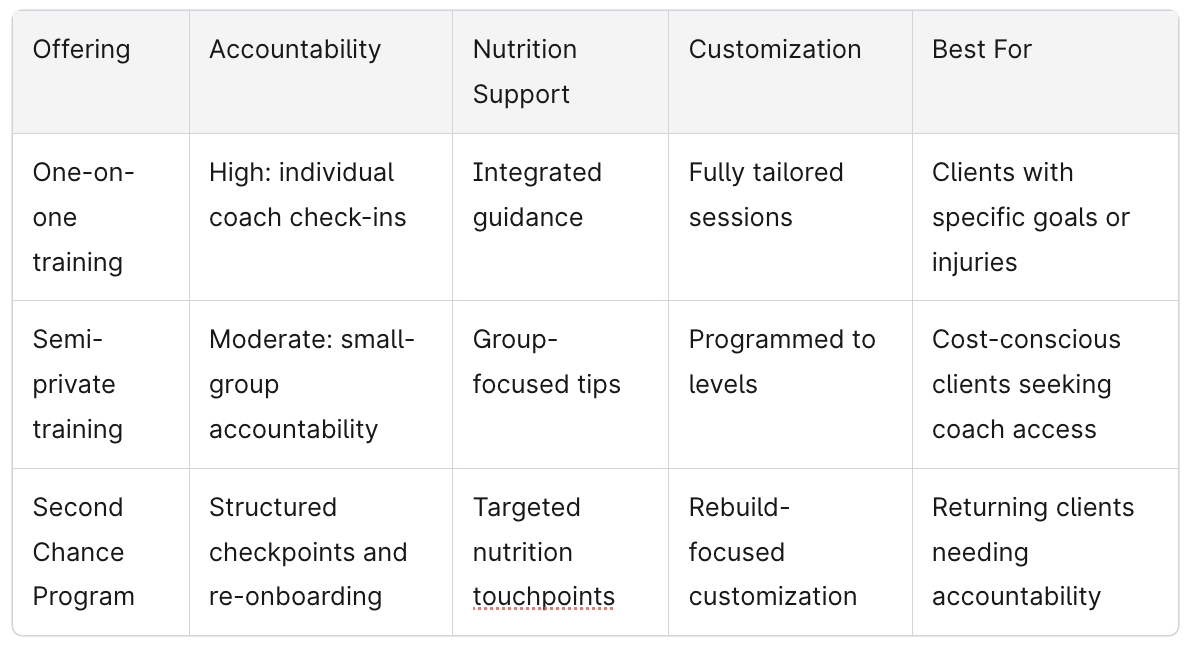
Fit Results offers flexible, personalized training—one-on-one and semi-private options—alongside group classes and a community culture that encourages consistency and long-term change. Our gym environment, with its supportive community and well-equipped facilities, helps sustain motivation and build consistent exercise habits for lasting results. Our approach links tailored programming with accountability and nutrition guidance so clients can follow realistic timelines while getting coaching that adapts for setbacks or injuries. The Second Chance Program is built for re-engagement and structured re-onboarding, giving returning clients a focused, accountability-driven path back to regular training. We offer complimentary consultations to set expectations and build individualized plans that favor steady progress over quick fixes.
To compare how our offerings support long-term adherence, the table below outlines core Fit Results services and what they deliver.
Ready to begin? You can contact Fit Results to schedule a complimentary consultation and build a plan that fits your life.
What Makes Fit Results’ Personalized Training and Second Chance Program Effective?
Fit Results’ personalized training centers on expert coaching, deliberate progressions, and sensible modifications that prioritize safety while improving strength and movement. The Second Chance Program layers accountability checkpoints, nutrition touchpoints, and re-engagement steps to help clients rebuild consistency after a break—reducing uncertainty and speeding the return to progress. Coaches use measurable markers and regular check-ins to protect momentum, and the program emphasizes short-term wins that add up over time. The coaching approach also fosters intrinsic motivation by helping clients find enjoyment and personal meaning in their fitness journey, which supports long-term commitment. A complimentary consultation outlines realistic timelines and creates a plan that fits your schedule.
Those elements turn patience and perseverance into a clear roadmap that prevents common drop-offs and supports steady improvement.
How Does Community Support and Accountability Enhance Motivation?
Community creates social reinforcement that improves adherence through shared routines, friendly accountability, and visible role models; when peers and coaches notice each other’s effort, sticking with the plan becomes easier. Practical examples include consistent class schedules that build habit, workout partners who increase attendance, and coach check-ins that celebrate progress or correct course. The Fit Results community also helps clients celebrate milestones together—whether it’s a new personal best, a progress photo, or a fitness achievement—reinforcing motivation and making progress visible. Psychological drivers—social identity, norms, and external accountability—lower the friction of showing up on low-energy days. Fit Results’ FitFam culture uses these dynamics to keep clients engaged and emotionally supported through plateaus and life changes.
A strong community turns solo persistence into a group habit, making long-term training feel less isolating and more sustainable.
What Strategies Help Cultivate Patience and Consistency for Lasting Fitness Transformation?
Patience and consistency come from reliable systems: track progress, set micro-goals that create regular wins, schedule review points, and make workouts part of your weekly routine. Developing strong fitness habits is essential for long-term consistency and turning your fitness goals into lasting results. These tactics convert big intentions into repeatable actions that produce cumulative adaptation. Habit techniques—implementation intentions, stacking new behaviors onto existing routines, and lowering decision friction—make adherence more automatic. Practicing self-compassion is crucial for resilience in fitness, helping you stay motivated through setbacks and plateaus. Preparing for plateaus with pre-planned coping steps and recovery strategies prevents discouragement and keeps effort aligned with realistic biological timelines.
Practical steps that work for clients include:
- Track meaningful metrics: Log strength, sleep, and consistency instead of fixating on daily weight swings.
- Set micro-goals: Use weekly process targets that are achievable and measurable.
- Schedule workouts: Block sessions as appointments so they’re harder to skip.
- Plan recovery: Build deloads and mobility work into your calendar to protect capacity.
How Can Tracking Progress and Celebrating Small Wins Maintain Motivation?
Track metrics that reflect real adaptation—strength gains, performance benchmarks, measurements, and consistent behaviors—rather than only the scale, which fluctuates daily. Tracking progress helps maintain motivation by making achievements and milestones visible throughout your fitness journey. Celebrating small wins, like a new personal-best or a streak of completed sessions, and taking time to celebrate milestones with accountability partners or your gym community, reinforces the habits that produce long-term change and gives psychological momentum during slow visual progress. Use simple tools—training logs, weekly photos, and brief performance checks—to get objective feedback every one to four weeks. A built-in reward system for process adherence helps sustain motivation while keeping long-term goals in view. As a practical tip, remember that strength training is essential for longevity and metabolism; aim for 2-3 full-body sessions per week.
When tracking matches realistic timelines, small wins stack into visible transformations without relying solely on immediate mirror feedback.
What Habits Foster Perseverance During Fitness Plateaus?
Daily and weekly habits reduce plateau discouragement by stabilizing recovery and preserving routine: consistent sleep, protein at each meal, scheduled sessions, weekly reflections, and short, testable training tweaks. Building strong fitness habits is essential for long-term perseverance, as they help you stay consistent and motivated even when progress feels slow. Habit steps include defining a clear context for workouts, using implementation intentions (“I will train at 6 p.m. after work on Monday, Wednesday, Friday”), and running a two-week audit to pick the next change to test. Incorporating new exercises into your routine can keep workouts engaging and prevent boredom, making it easier to stick with your plan. Mindset tools—reframing plateaus as diagnostic feedback and leaning on coach accountability—help you keep going. Over time these habits compound into the resilience that carries you through inevitable ups and downs.
Regular reflection and coach feedback make habit shifts measurable and ensure perseverance pairs with smart programming.
What Are Real Success Stories Demonstrating Patience and Perseverance at Fit Results?
Fit Results supports local success with structured programming, accountability, and community engagement that help clients move past setbacks and keep positive change. While results vary, client journeys often follow the pattern of early neural gains, a slower visible period, and then clearer transformation once nutrition and recovery align with training. Making progress is often about small, measurable achievements that build confidence and motivation over time. Short, anonymized snapshots focus on the challenge, the intervention, and the steady effort—not on specific numeric guarantees. These stories show that real progress usually takes months of consistent action, adaptive coaching, and community support to stick.
Here are concise anonymized examples that reflect common paths from setback to sustained progress.
- Client A returned after months away and followed a structured re-onboarding plan with accountability checkpoints to rebuild consistency.
- Client B corrected a nutrition mismatch while staying consistent with sessions and saw better performance and body-composition trends over several months.
- Client C used semi-private coaching for accountability and incremental overload, which kept motivation high and produced steady strength gains, including reaching a new push-up milestone as a way to measure and celebrate making progress.
How Have Clients Overcome Challenges to Achieve Lasting Transformations?
Clients often face injuries, life changes, or dips in motivation. It is completely normal to experience setbacks or periods of low motivation during a fitness journey. Overcoming these needs a plan that prioritizes gradual progression, smart modifications, and short-term measurable goals. Trainers use phased plans to rebuild baseline capacity, then increase load carefully while monitoring recovery and adjusting nutrition as required. Re-establishing consistency—sometimes with smaller commitments like twice-weekly sessions—recreates the behaviors that sustain progress. The common lesson: patient, evidence-based adjustments plus dependable accountability reliably return clients to an upward trend.
This iterative method turns setbacks into structured learning, avoiding all-or-nothing responses that derail long-term gains.
What Role Did Personal Trainers and the FitFam Community Play in These Journeys?
Trainers delivered individualized programs, precise cueing, and safe modifications that kept clients moving without re-injury, and they used regular check-ins to maintain focus on process goals. The FitFam community added peer encouragement, normalized setbacks, and created routine that increased attendance and motivation. Coaches and community together lowered decision friction, reinforced healthy habits socially, and celebrated incremental progress that sustains effort over months. Accessing the same supports—structured coaching and a consistent community—recreates the conditions that convert short-term effort into long-term lifestyle change. This powerful combination leads to positive changes that last, helping you turn your fitness goals into lasting results.
These elements—expert coaching, tailored planning, and social accountability—provide the practical framework for patience and perseverance in real-world transformations.
Frequently Asked Questions
What should I do if I hit a plateau in my fitness journey?
Plateaus are normal and often tell you what to adjust. Start with a quick audit: are you consistent with sessions, aligned with your nutrition goals, and getting enough recovery? Revisit and consider setting fitness goals or refining your current ones—clear, measurable goals can help you break through plateaus and stay motivated. Try small changes like increasing workout intensity, adjusting calories, or varying exercises to challenge different muscles. Reassess after two to four weeks—plateaus can be a chance to refine your plan if you approach them methodically.
How can I stay motivated during my fitness transformation?
Motivation dips are normal. Break long-term goals into small, achievable milestones that give regular wins. Track progress, celebrate small improvements, and lean on a supportive community or workout partner for accountability. Group classes and coach check-ins make training more enjoyable and easier to sustain. Cultivate intrinsic motivation by focusing on activities you genuinely enjoy, which helps foster a lasting, internal drive to keep going. Consistency matters more than short bursts—focus on systems that keep you showing up.
What role does hydration play in fitness progress?
Hydration matters for performance and recovery. Staying hydrated supports muscle function, body-temperature regulation, and nutrient delivery. Dehydration can cause fatigue, lower strength, and slower recovery, which stalls progress. Drink water regularly—before, during, and after workouts—and adjust intake for activity level, climate, and body size. Listen to your body and hydrate accordingly to keep performance consistent.
How can I effectively track my fitness progress?
Track a mix of metrics that match your goals: strength numbers, body measurements, workout frequency, and performance tests instead of only focusing on scale weight. Use training logs, apps, or wearables to record workouts and review trends weekly or monthly. Tracking your progress helps maintain motivation and commitment by highlighting achievements and milestones throughout your fitness journey. This broader view helps you spot progress, troubleshoot setbacks, and make smarter adjustments to training or nutrition.
What are some common nutrition mistakes that hinder fitness results?
Frequent nutrition missteps include eating too little protein, poor meal timing, and overly large calorie deficits. Low protein slows muscle repair and growth, bad timing can sap workout energy, and extreme restriction often causes burnout and inconsistent adherence. Another common mistake is consuming too much junk food, which can undermine your progress and make it harder to achieve lasting results. Aim for balanced meals with sufficient protein, healthy fats, and carbs. If you need help, a nutrition coach can tailor guidance to support your training goals.
How important is rest and recovery in a fitness program?
Rest and recovery are essential. They let your body repair and adapt—key for muscle growth and performance gains. Skipping recovery raises fatigue, injury risk, and stalls progress. Build rest days into your plan, prioritize quality sleep, and use active recovery like light movement or mobility work. Listening to your body and allowing proper recovery supports long-term consistency and better results.
Conclusion
Lasting fitness change takes patience, steady effort, and the right support. By setting realistic timelines, focusing on process goals, and using personalized coaching plus community accountability, you’ll navigate setbacks and celebrate progress along the way. If you’re ready to begin, contact Fit Results for a complimentary consultation and a plan built to fit your life.
Turn Your Fitness Goals into Lasting Results: The Reality of Fitness Transformation
Turn Your Fitness Goals into Lasting Results
Many people try personal training hoping for quick visual change, then feel frustrated when progress is slower than expected. Real transformation is a steady shift in strength, body composition, movement quality, and daily energy that builds over months, not days. This piece explains why patience and persistence matter. Setting fitness goals and fitness and health goals is a foundational step for success—goal setting should focus on achievable fitness goals and effective goals, using realistic, well-structured targets that keep you motivated and on track. We’ll lay out realistic timelines for common goals, and show how consistent habits and smart program structure compound into lasting change. You’ll find typical milestones for energy, strength, and fat loss, a simple audit for common roadblocks, and why nutrition and recovery—including avoiding junk food—are decisive for making positive changes.
Common obstacles like decision fatigue can make it harder to stick to routines, especially on busy days, but we’ll share practical tactics to stay consistent. We’ll also highlight how personalized coaching, accountability, and community support help you push past plateaus. The best workout is the one you’ll actually do consistently, and experimentation is key to creating a routine you’ll love. Expect clear checklists, comparison tables to guide what to track, and step-by-step tactics you can use whether you train one-on-one, in small groups, or on your own with professional guidance.
Assessing Your Starting Point: How to Evaluate Your Fitness Level
Before you can set realistic fitness goals or design an effective exercise routine, it's essential to understand your current fitness level that you are at. Taking the time to assess where you are now gives you a clear baseline, helps you set achievable goals, and makes it easier to track your progress as you move ahead on your fitness journey. This self-awareness is the foundation for long term success and lasting habits that will stick.
Start by looking at your current physical activity that you do. Ask yourself: How often do you move each week? What types of exercise or activities do you genuinely enjoy—walking, cycling, group fitness classes, or strength training? Knowing your preferences and current routine helps you identify opportunities to increase physical activity and build a fitness program you'll stick with no matter what.
Next, consider your body composition that you have. Simple measurements like weight, waist circumference, or body fat percentage (if available) can provide a snapshot of where you're starting from. Remember, these numbers are just data points to help you set realistic fitness goals—whether that's weight loss, muscle gain, or improved body composition. Focus on progress, not perfection, and use these metrics to celebrate small victories along the way that you achieve.
Assess your strength and endurance by trying basic exercises such as push-ups, squats, or holding a plank exercise. How many repetitions can you do with good form that you can maintain? Can you walk briskly or use a stationary bike for 20–30 minutes without excessive fatigue that stops you? These simple tests highlight your current fitness level and show where to focus your strength training or endurance efforts that you need.
Don't overlook flexibility and mobility that you have. Try gentle stretches or a short yoga session to see how easily you can move through different ranges of motion. Noticing tightness or limited mobility can help you target areas for improvement, making your exercise routine safer and more effective for your body.
Finally, clarify your health and fitness goals that you want to achieve. Are you aiming to lose weight, boost your energy levels, or simply feel healthier in daily life that you live? Setting realistic, achievable goals that match your current fitness level will keep you motivated and focused on what matters. Remember, every positive change—no matter how small—counts toward your ultimate goal that you set.
To make this process easier for you, consider using fitness apps to track your progress, joining group fitness classes for motivation, or working with a certified personal trainer who can guide your assessment and help you set realistic goals. Scheduling time for regular exercise, practicing self compassion when setbacks happen, and focusing on small wins will help you build lasting habits and achieve a healthier lifestyle that you deserve.
By taking an honest look at your starting point that you are at, you'll be better equipped to create a fitness program that fits your life, keeps you on the right track, and supports your long-term health and fitness success that you want.
What Are Realistic Expectations for Personal Training Results?
Realistic expectations match how the body adapts with how people live: nervous-system changes often show up as increased coordination and early strength within weeks, while visible shifts in body composition usually take months of steady training and nutrition. Research shows that the body’s adaptation to exercise follows these patterns, and consistent effort is key to lasting results. Early gains come from neural efficiency—your body learns to recruit muscle better—while muscle growth and fat loss rely on cumulative training and a sustained calorie balance. Breaking expectations down by outcome—energy, strength, fat loss, mobility, and skill—helps you track wins before the mirror shows big change. Making progress is easier when you break big goals into smaller, attainable steps, which boosts motivation and encourages continued effort. Knowing these timelines reduces discouragement and keeps you focused on the process behaviors that add up over time.
Here’s a compact timeline that reflects when most people notice specific improvements:
- Within 2–4 weeks: more energy, greater movement confidence, and early strength gains from neural adaptation.
- Within 4–12 weeks: measurable strength increases, modest fat loss, and initial changes in measurements.
- 3–12+ months: meaningful body-composition change, better performance, and lasting habit formation.
To make timelines easier to act on, the table below summarizes common progress markers, typical windows for change, and the main factors that influence each outcome. Creating a 'milestone map' can help you plot out small goals to achieve within days or weeks.
Different goals respond to different inputs; matching your program and tracking the right metrics makes timelines predictable and actionable.
How Long Does It Typically Take to See Fitness Progress with Personal Training?
Progress with a trainer usually follows distinct phases: early neural improvements bring quick gains in strength and coordination, then physiological changes—muscle growth and measurable fat loss—appear with ongoing stimulus and proper nutrition. Beginners who train consistently two to three times per week and make simple nutrition adjustments often notice change in 4–8 weeks. More experienced trainees typically need longer, more targeted programming to spark new adaptations. Training frequency, session quality, and daily habits (sleep and food choices) speed up or slow down visible results, so expectations should reflect your starting point and lifestyle. Modern practice focuses on progressive overload and planned recovery to shorten the time to measurable gains while lowering injury risk and improving adherence.
These windows reflect average client experiences and help you set SMART targets that line up with biology and behavior change. It's important to make your goals time bound—set a clear deadline, such as completing a 5k run by July, to keep your progress specific and achievable.
A practical tip: never miss a scheduled activity two days in a row to maintain momentum.
What Are Short-Term and Long-Term Fitness Goals to Set?
Good goals pair outcome aims with process measures: short-term SMART goals give measurable wins in 4–8 weeks, while long-term goals span 3–12+ months and require habit shifts. Setting big fitness goals is important for motivation, but breaking large fitness goals into smaller, manageable milestones—such as starting with a 5k before a marathon—makes them more achievable and keeps you on track. Short-term examples include increasing weekly workout frequency, improving a specific lift by a set percentage, or consistently hitting protein targets—these build momentum and quick feedback. Long-term goals could be a lasting body-composition change, finishing a fitness event, or holding onto performance gains while reducing injury risk. Focusing on process goals—scheduled workouts, sleep targets, and weekly protein or calorie ranges—keeps motivation steady during plateaus and aligns daily effort with the timeline for real transformation.
Try these goal templates right away:
- Short-term: “Attend three strength sessions per week for eight weeks and increase squat load by 10%.”
- Long-term: “Achieve a sustainable 5–10% body-fat reduction over six months while maintaining strength.”
- Habit goal: “Log protein intake five days per week and sleep 7+ hours nightly for 12 weeks.”
Structured goals turn vague intentions into measurable steps and make patience practical.
Why Am I Not Seeing Results from Personal Training?
When progress stalls, the causes are usually fixable: inconsistent attendance, nutrition that doesn’t match your goal, missing progressive overload, not enough recovery, or expectations that don’t fit biology. Adaptation needs repeated, appropriately challenging stimulus plus the resources (calories, protein, sleep) to recover and grow. Diagnosing the main limiter means auditing training logs, nutrition, sleep, and stress—often one or two issues explain most slowdowns. It’s also important to revisit your goal setting process and ensure you have effective goals that are specific, actionable, and realistic. Start with the highest-impact levers—consistent sessions, clear nutrition targets, and structured progression—before fine-tuning smaller details.
Below is a short diagnostic map of common roadblocks, their typical effects, and simple corrective actions to test over 2–4 weeks.
What Common Roadblocks and Plateaus Affect Fitness Progress?
Plateaus usually come from repeatable programming or behavior issues: irregular training that prevents cumulative stimulus, nutrition that doesn’t match the goal, stale programming without overload, or chronic under-recovery that limits adaptation. Life stressors can also interrupt momentum and require a planned re-entry rather than quitting. Decision fatigue—the mental exhaustion from making too many daily choices—can also lead to inconsistent training or skipped sessions, so planning workouts and meals in advance helps reduce this barrier and maintain consistency. The practical fix is to run short experiments—commit to a focused block of consistent sessions, align calories and protein with your goal, and use a clear progression model—then reassess after two to four weeks. Small, targeted tests reveal the main limiter and get progress moving again.
Watch for signals like ongoing fatigue, no increases in load, or repeated missed sessions—those clues make troubleshooting fast and avoid unnecessary program overhauls.
How Do Consistency and Progressive Overload Influence Results?
Consistency and progressive overload are the two engines of change: consistency delivers the repeated exposure needed to adapt, while progressive overload supplies the incremental challenge that drives physiological gains. Establishing a sustainable fitness routine is crucial, as it provides the structure and enjoyment needed to maintain long-term progress and stay motivated. Neuromuscular improvements appear quickly with practice, but increases in muscle size and metabolic shifts require steady increases in volume, intensity, or complexity over weeks to months. Coaches program overload safely using measurable metrics—sets, reps, load, tempo—and adjust based on feedback and recovery markers. When consistency compounds small, repeatable progressions, strength and composition changes become reliable instead of random.
A simple weekly progression might increase load by 2–5% on key lifts or add controlled volume, protecting recovery while keeping the stimulus progressive.
How Do Nutrition, Sleep, and Recovery Impact Fitness Transformation?
Off-the-floor factors—nutrition, sleep, and recovery—often decide whether training turns into lasting change because they shape the body’s ability to repair tissue, refill energy, and adapt to stress. Nutrition supplies the raw materials for muscle repair and sets the calorie balance for fat loss or gain; minimizing junk food intake supports better recovery and results by reducing empty calories and inflammation. Sleep regulates recovery and appetite hormones, and recovery strategies prevent overtraining while maintaining training quality. Together these elements create the internal environment where workouts produce durable improvements rather than temporary gains. Optimizing them shortens the time to meaningful results and helps training feel productive and sustainable.
Here are the main ways these factors matter:
- Nutrition provides amino acids and energy for repair and creates the calorie environment for body-composition change. Limiting junk food helps ensure your nutrition supports your goals.
- Sleep supports hormonal balance (growth hormone, cortisol), which affects recovery, appetite, and performance.
- Recovery strategies reduce cumulative fatigue and protect training quality across weeks and months. Adjust workout intensity based on your energy levels and avoid pushing to exhaustion every day to promote better long-term progress.
Focusing on these areas improves your training ROI and speeds visible progress.
Why Is Proper Nutrition Essential for Achieving Personal Training Results?
Nutrition aligns energy intake and macronutrients with your training goal; without it, workouts won’t reliably translate into muscle growth or fat loss. Proper nutrition is essential for supporting your fitness and health goals, ensuring that your efforts in the gym lead to sustainable progress. Protein is especially important—it’s the building block for muscle repair and helps preserve lean mass during deficits—while total calories determine whether you lose or gain fat. Consistency beats perfection: hitting daily protein targets, using modest calorie deficits for fat loss, and prioritizing whole foods usually gives steady results. Coaches accelerate progress by offering tailored guidance, meal frameworks, and accountability that turn training into measurable body-composition change.
Practical adherence tactics include timing meals around training, using portion templates, setting realistic weekly targets that fit your life, and limiting junk food to improve nutrition.
How Do Sleep and Recovery Support Sustainable Fitness Progress?
Sleep and recovery set the window between sessions by influencing hormones, tissue repair, and mental readiness for consistent training. Both quantity and quality of sleep affect appetite hormones and perceived effort during workouts, and chronic poor sleep compounds into lower performance and slower progress. Recovery tools—planned deloads, mobility work, and active recovery sessions—manage fatigue and prevent setbacks that break consistency. Tracking simple markers like perceived readiness, mood, and training performance helps coaches adjust volume and intensity to protect progress and lower injury risk.
Adopting basic sleep hygiene and scheduling recovery weeks preserves long-term capacity and supports steady gains instead of boom-and-bust efforts.
How Does Fit Results Support Patience and Perseverance in Your Fitness Journey?
Fit Results offers flexible, personalized training—one-on-one and semi-private options—alongside group classes and a community culture that encourages consistency and long-term change. Our gym environment, with its supportive community and well-equipped facilities, helps sustain motivation and build consistent exercise habits for lasting results. Our approach links tailored programming with accountability and nutrition guidance so clients can follow realistic timelines while getting coaching that adapts for setbacks or injuries. The Second Chance Program is built for re-engagement and structured re-onboarding, giving returning clients a focused, accountability-driven path back to regular training. We offer complimentary consultations to set expectations and build individualized plans that favor steady progress over quick fixes.
To compare how our offerings support long-term adherence, the table below outlines core Fit Results services and what they deliver.
Ready to begin? You can contact Fit Results to schedule a complimentary consultation and build a plan that fits your life.
What Makes Fit Results’ Personalized Training and Second Chance Program Effective?
Fit Results’ personalized training centers on expert coaching, deliberate progressions, and sensible modifications that prioritize safety while improving strength and movement. The Second Chance Program layers accountability checkpoints, nutrition touchpoints, and re-engagement steps to help clients rebuild consistency after a break—reducing uncertainty and speeding the return to progress. Coaches use measurable markers and regular check-ins to protect momentum, and the program emphasizes short-term wins that add up over time. The coaching approach also fosters intrinsic motivation by helping clients find enjoyment and personal meaning in their fitness journey, which supports long-term commitment. A complimentary consultation outlines realistic timelines and creates a plan that fits your schedule.
Those elements turn patience and perseverance into a clear roadmap that prevents common drop-offs and supports steady improvement.
How Does Community Support and Accountability Enhance Motivation?
Community creates social reinforcement that improves adherence through shared routines, friendly accountability, and visible role models; when peers and coaches notice each other’s effort, sticking with the plan becomes easier. Practical examples include consistent class schedules that build habit, workout partners who increase attendance, and coach check-ins that celebrate progress or correct course. The Fit Results community also helps clients celebrate milestones together—whether it’s a new personal best, a progress photo, or a fitness achievement—reinforcing motivation and making progress visible. Psychological drivers—social identity, norms, and external accountability—lower the friction of showing up on low-energy days. Fit Results’ FitFam culture uses these dynamics to keep clients engaged and emotionally supported through plateaus and life changes.
A strong community turns solo persistence into a group habit, making long-term training feel less isolating and more sustainable.
What Strategies Help Cultivate Patience and Consistency for Lasting Fitness Transformation?
Patience and consistency come from reliable systems: track progress, set micro-goals that create regular wins, schedule review points, and make workouts part of your weekly routine. Developing strong fitness habits is essential for long-term consistency and turning your fitness goals into lasting results. These tactics convert big intentions into repeatable actions that produce cumulative adaptation. Habit techniques—implementation intentions, stacking new behaviors onto existing routines, and lowering decision friction—make adherence more automatic. Practicing self-compassion is crucial for resilience in fitness, helping you stay motivated through setbacks and plateaus. Preparing for plateaus with pre-planned coping steps and recovery strategies prevents discouragement and keeps effort aligned with realistic biological timelines.
Practical steps that work for clients include:
- Track meaningful metrics: Log strength, sleep, and consistency instead of fixating on daily weight swings.
- Set micro-goals: Use weekly process targets that are achievable and measurable.
- Schedule workouts: Block sessions as appointments so they’re harder to skip.
- Plan recovery: Build deloads and mobility work into your calendar to protect capacity.
How Can Tracking Progress and Celebrating Small Wins Maintain Motivation?
Track metrics that reflect real adaptation—strength gains, performance benchmarks, measurements, and consistent behaviors—rather than only the scale, which fluctuates daily. Tracking progress helps maintain motivation by making achievements and milestones visible throughout your fitness journey. Celebrating small wins, like a new personal-best or a streak of completed sessions, and taking time to celebrate milestones with accountability partners or your gym community, reinforces the habits that produce long-term change and gives psychological momentum during slow visual progress. Use simple tools—training logs, weekly photos, and brief performance checks—to get objective feedback every one to four weeks. A built-in reward system for process adherence helps sustain motivation while keeping long-term goals in view. As a practical tip, remember that strength training is essential for longevity and metabolism; aim for 2-3 full-body sessions per week.
When tracking matches realistic timelines, small wins stack into visible transformations without relying solely on immediate mirror feedback.
What Habits Foster Perseverance During Fitness Plateaus?
Daily and weekly habits reduce plateau discouragement by stabilizing recovery and preserving routine: consistent sleep, protein at each meal, scheduled sessions, weekly reflections, and short, testable training tweaks. Building strong fitness habits is essential for long-term perseverance, as they help you stay consistent and motivated even when progress feels slow. Habit steps include defining a clear context for workouts, using implementation intentions (“I will train at 6 p.m. after work on Monday, Wednesday, Friday”), and running a two-week audit to pick the next change to test. Incorporating new exercises into your routine can keep workouts engaging and prevent boredom, making it easier to stick with your plan. Mindset tools—reframing plateaus as diagnostic feedback and leaning on coach accountability—help you keep going. Over time these habits compound into the resilience that carries you through inevitable ups and downs.
Regular reflection and coach feedback make habit shifts measurable and ensure perseverance pairs with smart programming.
What Are Real Success Stories Demonstrating Patience and Perseverance at Fit Results?
Fit Results supports local success with structured programming, accountability, and community engagement that help clients move past setbacks and keep positive change. While results vary, client journeys often follow the pattern of early neural gains, a slower visible period, and then clearer transformation once nutrition and recovery align with training. Making progress is often about small, measurable achievements that build confidence and motivation over time. Short, anonymized snapshots focus on the challenge, the intervention, and the steady effort—not on specific numeric guarantees. These stories show that real progress usually takes months of consistent action, adaptive coaching, and community support to stick.
Here are concise anonymized examples that reflect common paths from setback to sustained progress.
- Client A returned after months away and followed a structured re-onboarding plan with accountability checkpoints to rebuild consistency.
- Client B corrected a nutrition mismatch while staying consistent with sessions and saw better performance and body-composition trends over several months.
- Client C used semi-private coaching for accountability and incremental overload, which kept motivation high and produced steady strength gains, including reaching a new push-up milestone as a way to measure and celebrate making progress.
How Have Clients Overcome Challenges to Achieve Lasting Transformations?
Clients often face injuries, life changes, or dips in motivation. It is completely normal to experience setbacks or periods of low motivation during a fitness journey. Overcoming these needs a plan that prioritizes gradual progression, smart modifications, and short-term measurable goals. Trainers use phased plans to rebuild baseline capacity, then increase load carefully while monitoring recovery and adjusting nutrition as required. Re-establishing consistency—sometimes with smaller commitments like twice-weekly sessions—recreates the behaviors that sustain progress. The common lesson: patient, evidence-based adjustments plus dependable accountability reliably return clients to an upward trend.
This iterative method turns setbacks into structured learning, avoiding all-or-nothing responses that derail long-term gains.
What Role Did Personal Trainers and the FitFam Community Play in These Journeys?
Trainers delivered individualized programs, precise cueing, and safe modifications that kept clients moving without re-injury, and they used regular check-ins to maintain focus on process goals. The FitFam community added peer encouragement, normalized setbacks, and created routine that increased attendance and motivation. Coaches and community together lowered decision friction, reinforced healthy habits socially, and celebrated incremental progress that sustains effort over months. Accessing the same supports—structured coaching and a consistent community—recreates the conditions that convert short-term effort into long-term lifestyle change. This powerful combination leads to positive changes that last, helping you turn your fitness goals into lasting results.
These elements—expert coaching, tailored planning, and social accountability—provide the practical framework for patience and perseverance in real-world transformations.
Frequently Asked Questions
What should I do if I hit a plateau in my fitness journey?
Plateaus are normal and often tell you what to adjust. Start with a quick audit: are you consistent with sessions, aligned with your nutrition goals, and getting enough recovery? Revisit and consider setting fitness goals or refining your current ones—clear, measurable goals can help you break through plateaus and stay motivated. Try small changes like increasing workout intensity, adjusting calories, or varying exercises to challenge different muscles. Reassess after two to four weeks—plateaus can be a chance to refine your plan if you approach them methodically.
How can I stay motivated during my fitness transformation?
Motivation dips are normal. Break long-term goals into small, achievable milestones that give regular wins. Track progress, celebrate small improvements, and lean on a supportive community or workout partner for accountability. Group classes and coach check-ins make training more enjoyable and easier to sustain. Cultivate intrinsic motivation by focusing on activities you genuinely enjoy, which helps foster a lasting, internal drive to keep going. Consistency matters more than short bursts—focus on systems that keep you showing up.
What role does hydration play in fitness progress?
Hydration matters for performance and recovery. Staying hydrated supports muscle function, body-temperature regulation, and nutrient delivery. Dehydration can cause fatigue, lower strength, and slower recovery, which stalls progress. Drink water regularly—before, during, and after workouts—and adjust intake for activity level, climate, and body size. Listen to your body and hydrate accordingly to keep performance consistent.
How can I effectively track my fitness progress?
Track a mix of metrics that match your goals: strength numbers, body measurements, workout frequency, and performance tests instead of only focusing on scale weight. Use training logs, apps, or wearables to record workouts and review trends weekly or monthly. Tracking your progress helps maintain motivation and commitment by highlighting achievements and milestones throughout your fitness journey. This broader view helps you spot progress, troubleshoot setbacks, and make smarter adjustments to training or nutrition.
What are some common nutrition mistakes that hinder fitness results?
Frequent nutrition missteps include eating too little protein, poor meal timing, and overly large calorie deficits. Low protein slows muscle repair and growth, bad timing can sap workout energy, and extreme restriction often causes burnout and inconsistent adherence. Another common mistake is consuming too much junk food, which can undermine your progress and make it harder to achieve lasting results. Aim for balanced meals with sufficient protein, healthy fats, and carbs. If you need help, a nutrition coach can tailor guidance to support your training goals.
How important is rest and recovery in a fitness program?
Rest and recovery are essential. They let your body repair and adapt—key for muscle growth and performance gains. Skipping recovery raises fatigue, injury risk, and stalls progress. Build rest days into your plan, prioritize quality sleep, and use active recovery like light movement or mobility work. Listening to your body and allowing proper recovery supports long-term consistency and better results.
Conclusion
Lasting fitness change takes patience, steady effort, and the right support. By setting realistic timelines, focusing on process goals, and using personalized coaching plus community accountability, you’ll navigate setbacks and celebrate progress along the way. If you’re ready to begin, contact Fit Results for a complimentary consultation and a plan built to fit your life.
.png)