
Understanding Personal Training Costs at Fit Results — What to Expect on Your Journey

Prices for personal training can feel confusing. This guide makes them simple. We walk through the common formats you’ll see at Fit Results, explain how one-on-one and semi-private sessions actually work, and outline how packages are structured so you can compare true value — not just a headline price. You’ll also see which services usually live inside packages — nutrition guidance, movement assessments, regular check-ins — and how specialty options like our Second Chance Program and ON DEMAND content change what you get. By the end, you’ll have a clear view of Fit Results’ service types, what drives cost, and one practical next step: schedule a complimentary consultation to get an exact, personalized quote. We also include search-friendly phrases like Fit Results personal training package prices and Cost of one-on-one personal training Chicago Fit Results to help you find answers quickly.
Introduction to Personal Training
Personal training is way more than just working out—it's a partnership that is designed to help you achieve your health and fitness goals with guidance and support from someone that really cares. A certified personal trainer works closely with you to create and deliver safe, effective exercise programs that are tailored to what you need, whether you're training by yourself, in a small group, or have specific health things to consider. The role of a personal trainer goes way beyond just counting reps; they help you set goals that make sense, teach you proper form so you don't get hurt, and provide the motivation and accountability that you need to stay on track with your fitness journey. By focusing on prevention and overall wellness, personal trainers help people make lasting changes in their fitness and health that really stick. For those people that are passionate about exercise and helping others move ahead in life, becoming a certified personal trainer is a rewarding career path that makes a real difference in people's lives when they need encouragement and fitness expertise.
What Personal Training Options Does Fit Results Offer?
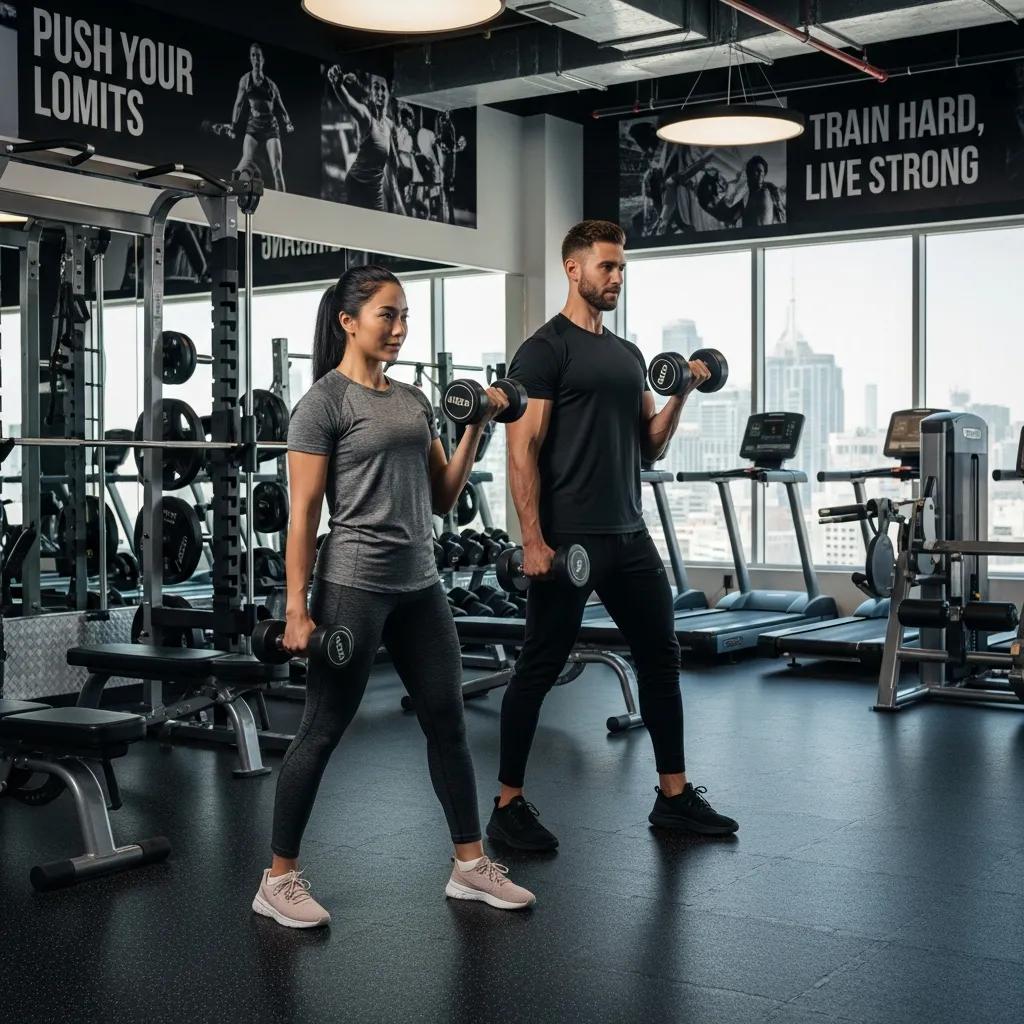
Personal training options at Fit Results range from fully private coaching to small-group and class-based formats, so you can choose what fits your goals, budget, and schedule. One-on-one training gives the most hands-on coaching and customization. Semi-private sessions share a trainer across a few people to lower cost while keeping tailored progressions. Group classes — like Triple 20, Groundworks, and FitCamp — focus on community-led conditioning and structure. Our ON DEMAND library lets you follow guided programs outside scheduled sessions, and programs like Second Chance support steady re-engagement after a setback. Across these formats you’ll find the same building blocks: personalized plans, movement screening, and nutrition support that drive results.
In 2025, personal training formats in the fitness industry include in-person sessions, online coaching, and small group classes, reflecting evolving client preferences and industry standards.
Industry practice groups personal training into private, semi-private, and group formats — a helpful way to compare offerings.
Personal Training Formats: Private, Semi-Private, Group* Common classifications include one-on-one private training, small-group or semi-private sessions, and larger group classes — each has different trade-offs in cost, attention, and community.*
Pick the format that matches your priority: if precise technique, rehab work, or individual programming matter most, one-on-one is usually best. If you want lower cost plus peer motivation, semi-private often strikes the right balance. At Fit Results we prioritize practical, inclusive coaching and a supportive community (#FITFAM), which helps guide the right choice for your goals. Next, we’ll look at how sessions are structured and how that affects price.
How Does One-on-One Personal Training Work at Fit Results?
One-on-one training is a tailored partnership. Initial meetings with trainers usually include fitness assessments and discussions of medical history to ensure a safe and effective start. Your coach assesses how you move, sets measurable goals, and builds a plan that blends strength work, conditioning, and nutrition direction. The process starts with a movement assessment to set baselines. From there, sessions follow a progressive plan that targets weak points while increasing capacity. Effective personal training sessions typically last around 45 to 60 minutes, including a warm-up, main workout, and cool-down. Weekly check-ins and plan updates keep the program responsive to your results.
A typical session begins with a quick movement screen, moves through a focused warm-up and the main strength or conditioning block, and finishes with recovery or mobility work plus brief coaching notes. Trainers focus on teaching correct techniques, providing real-time feedback to ensure proper joint alignment and muscle activation throughout each session. Clients value the steady trainer–client relationship because it creates accountability and clear tracking of progress — and that consistency is one reason one-on-one training costs more than group options.
What Are the Benefits of Semi-Private Personal Training Sessions?
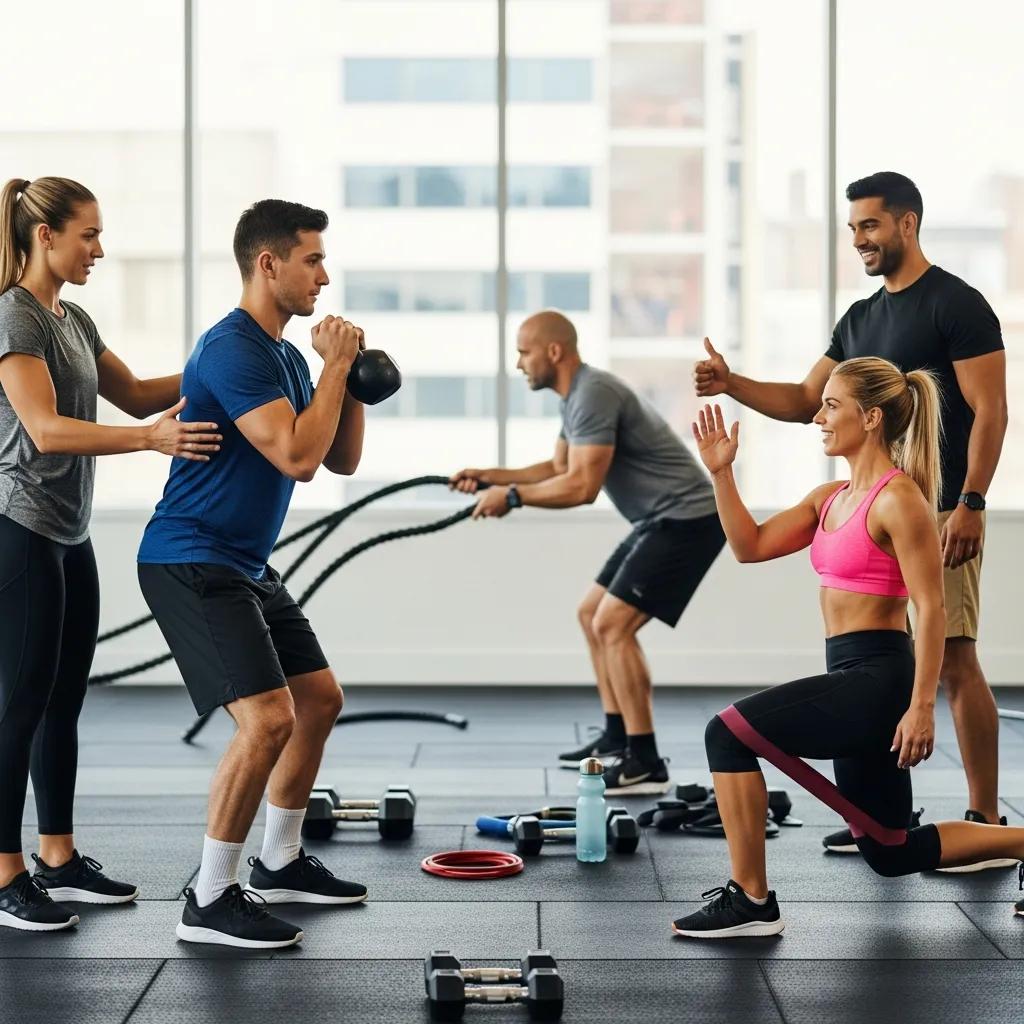
Semi-private training gives coached sessions for a small group — usually two to four people — where each person still gets individualized cues and scaled progressions. The math is simple: one trainer’s time spread across a few clients lowers the per-person cost while keeping meaningful personalization. The format also builds social accountability and in-session motivation, which helps many clients maintain consistency.
Scheduled sessions with instructors can increase exercise adherence rates to about 80%, helping clients maintain consistency and achieve their goals.
Semi-private programs generally use the same assessment and progression systems as private coaching but apply them to multiple participants with scaled loads. Many clients pick semi-private when they want a blend of affordability, coaching, and community — a practical trade-off that shapes how we price and schedule these offerings.
Qualifications of Personal Fitness Trainers
When you're looking for a personal trainer, qualifications really matter and that's something I'm passionate about helping people understand. Most personal fitness trainers, including ACE Certified Personal Trainers, they need to have at least a high school diploma and a recognized certification from organizations like the American Council on Exercise (ACE), National Academy of Sports Medicine (NASM), or National Strength and Conditioning Association (NSCA). These certifications makes sure that trainers has completed comprehensive coursework in exercise science, nutrition, and training techniques, which gives them the tools they need to design safe and effective exercise programs that really helps people move forward in life. Many health clubs and gyms require their trainers to be certified, and some advanced certifications may even require a degree in exercise science or sports medicine because fitness can change people's lives when done right. Personal trainers often choose to specialize in areas like strength training, conditioning, or working with special populations, allowing them to better serve clients with unique needs and help everyone achieve their goals together like a partnership. This strong foundation in science and practical knowledge ensures that certified personal trainers can help clients achieve their fitness goals safely and effectively, and that's what it's all about - helping others when they need encouragement and fitness expertise.
Most certifications typically require a high school diploma, CPR certification, AED certification, and may involve an examination process. In the United States, various certifications are available within the fitness industry, although not all are accredited. The International Confederation of Registers for Exercise Professionals (ICREPs) is an international partnership between registration bodies around the world that register exercise professionals. In Canada, the main certifying bodies are Canadian Fitness Education Services (CFES), Canadian Fitness Professionals (CanFit Pro), and the Canadian Society of Exercise Physiology (CSEP). In Australia, personal trainers may work independently with suitable insurance or choose to be a member of a registering body. Personal trainers in India must hold an appropriate Certification in Personal Training from respected organizations such as NASM and NSCA. Most employers, such as gyms, require personal trainers to be certified, although this is not always the case. Employment for personal trainers is projected to grow by 14% between 2022 and 2033 according to the U.S. Department of Labor.
How Much Does Personal Training Cost at Fit Results?
Fit Results prices around formats and package structures rather than a single flat rate. We offer pay-as-you-go sessions, multi-session packs, and monthly subscriptions — each with clear tiers that reflect flexibility, savings, or ongoing support. Actual pricing depends on your chosen trainer, session frequency, and whether you select private, semi-private, or integrated class bundles. For an exact quote based on your goals and availability, schedule a complimentary consultation. The general options are: pay-per-session for flexibility, session packs to lower the per-session cost, and monthly plans for steady, recurring coaching plus class access.
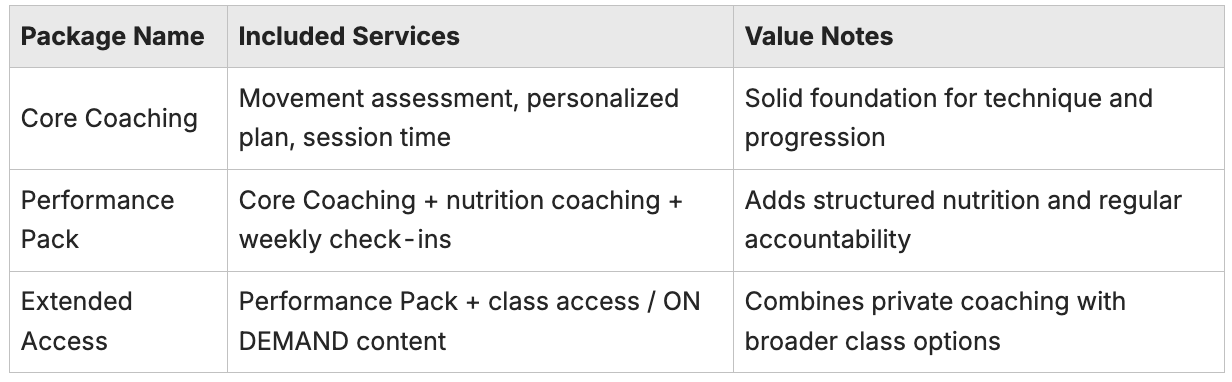
Below is a simple table showing how we typically present package types and structures.
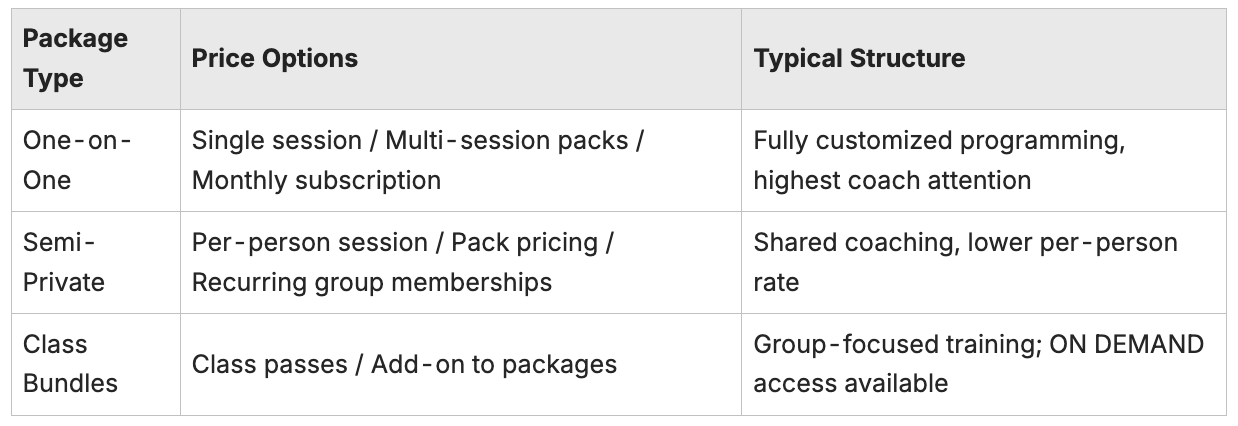
This structure helps you compare cost-per-session and commitment level without fixating on a single number — and it’s why we recommend a consultation to translate your goals into a concrete package.
What Are the Pricing Tiers for One-on-One Personal Training?
One-on-one tiers usually include a single session for occasional coaching, multi-session packs (for example, 10- or 20-session bundles) that lower the per-session rate, and monthly subscriptions that mix scheduled sessions with ongoing support. The pricing logic is commitment-based: more upfront sessions reduce the effective cost because planning and scheduling become more efficient. Each tier matches different needs — occasional tune-ups, fixed-term goals, or long-term transformation.
When you compare tiers, look past the per-session number. Consider what’s included — nutrition coaching, movement assessments, or check-ins — and weigh total package value. For precise pricing and the tier that fits your frequency and timeline, book a complimentary consultation for a tailored quote.
How Are Semi-Private Training Rates Structured?
Semi-private rates are set per person and vary with group size and session frequency. As group size grows slightly, the per-person rate typically drops, though coach attention per client adjusts. We keep group sizes small (usually two to four) to preserve effective coaching while improving affordability.
Scheduling can mean creating a consistent group or joining established semi-private times — which affects flexibility. If semi-private sounds right for you, discuss group formation and scheduling during your complimentary consultation so we can match you with the right coach and time.
What Is Included in Fit Results Personal Training Packages?

Our packages typically bundle more than in-session coaching. Common inclusions are nutrition guidance, movement assessments, weekly progress reviews, and optional class or ON DEMAND access. Nutrition guidance is often part of a trainer's services, covering macronutrient distribution and hydration to support overall health and performance. Bundling these elements creates a more complete program — assessments set the baseline, nutrition supports the work in the gym, and regular check-ins keep the plan responsive. Inclusive modifications for injury and a supportive community are consistent features that help clients stick with the plan.
Trainers design these personalized plans based on clients' injury history and metabolic rate, ensuring safe and effective progress. Niche programs can also be provided for specific needs, such as sports-specific conditioning or prenatal fitness, offering tailored education and support for unique client goals.
Reviewing inclusions helps you choose the package that matches the support you want — hands-on coaching, nutrition help, or wide access to classes and content.
Which Services Are Part of the Personalized Training Experience?
A personalized program usually includes an initial movement assessment to spot strengths and limitations, a customized training plan tied to your goals, nutrition coaching to align habits with progress, and regular progress check-ins to update programming. In-person trainers conduct movement assessments to identify muscle imbalances and tailor programming accordingly. Each part plays a role: assessments set your starting line, the plan maps the route, nutrition manages the input, and check-ins keep the plan adaptive. Personal trainers help clients perform exercises with correct techniques, minimizing the risk of injury and maximizing results. Combined, these elements create a coherent coaching system that drives improvements in strength, mobility, and body composition.
Packages with broader inclusions often deliver better ROI. When choosing, prioritize the services you need and confirm they’re included before committing. The passion of your trainer for helping clients achieve their goals is a key component of the personalized experience.
How Does the Second Chance Program Enhance Your Training Journey?
The Second Chance Program is built for clients who need structured re-engagement after a break, injury, or stalled progress. It’s designed to rebuild consistency through focused coaching, tailored regressions, and accountability — emphasizing small wins and progressive milestones rather than a harsh reset.
If you’ve paused training or faced setbacks, pairing Second Chance with one-on-one or semi-private sessions can speed your return to previous levels while lowering re-injury risk. Bring this up during your complimentary consultation so we can recommend the best pairing for long-term, sustainable progress.
Exercise Prescription and Safety
A personal trainer that is certified has got a key responsibility and that is exercise prescription—this means they design workout plans that is customized for each client's specific goals, abilities, and health conditions that they might have. Using their foundation in exercise science knowledge, trainers assess things like how fit you are, your body composition, and any health conditions that exists to create safe and effective exercise programs that really works. Proper form and technique is always emphasized because we want to prevent injuries and get the maximum results, whether you're focusing on strength training, cardio, or flexibility work. Personal trainers that are certified is also well-versed in many different training techniques and they are prepared to modify exercises when needed to help special populations or people with health concerns. To make sure client safety is taken care of, trainers maintain their certifications in first aid and CPR, which gives peace of mind during every single session you have with them. This commitment to safety and individualized guidance that they provide helps clients build confidence and achieve their fitness goals with the right support that they need to succeed.
What Factors Influence Personal Training Costs at Fit Results?
Cost depends on several variables: trainer experience and specialization, how customized your program is, session frequency and commitment length, and location or facility overhead. Trainer experience often correlates with price — specialized or senior coaches command higher rates because they bring deeper knowledge and troubleshooting skills. Custom programs require more assessment and planning time, which factors into pricing.
In the current employment landscape, the average annual income for personal trainers is $73,000, with a range of $56,000 to $96,000, reflecting differences in experience, specialization, and location.
Location matters too. Differences between neighborhoods like South Loop and Logan Square can influence operating costs and convenience, which can show up in package prices. Added services — nutrition coaching, class access, ON DEMAND — also increase package value and cost. Knowing these factors helps you decide which trade-offs you’re comfortable making between price, convenience, and coaching level.
How Does Trainer Expertise Affect Pricing?
Trainer expertise impacts pricing through experience, certifications, and specializations. Entry-level trainers may charge less, while mid- and senior-level coaches charge more for advanced programming and problem-solving. Higher expertise often speeds progress, improves injury management, and delivers better long-term outcomes — which can make a higher hourly rate more cost-effective for complex goals.
Match a trainer’s strengths — strength focus, corrective exercise, sport-specific work — to your goals to maximize value. For rehab or performance goals, investing in a more experienced coach often saves time and frustration down the line.
What Role Do Location and Facilities Play in Pricing?
Neighborhood overhead, studio amenities, and accessibility affect operating costs and perceived value. Fit Results serves Chicago neighborhood South Loop; while amenities vary by location, more convenient sites or facilities with extra equipment and class options can justify higher prices. Consider travel time, parking, and transit — a closer location that improves consistency may be worth a slightly higher rate.
When comparing options, weigh the time cost of travel against session price. Easier access and integrated class options often boost adherence and long-term value.
Is Personal Training at Fit Results Worth the Investment?
Yes — when you need accountability, expert guidance, and a plan tailored to your body and goals. The ROI comes from better adherence, efficient program design, and measurable outcomes: personalized coaching reduces guesswork, evidence-based programming minimizes plateaus, and nutrition alignment amplifies every session. Research and industry trends consistently show coached clients make faster strength and body-composition gains than those training alone.
Research shows that personal training clients can see up to 57% greater fitness improvements compared to training alone. Clients working with fitness professionals typically experience 20-30% faster strength gains and 15-25% greater cardiovascular improvements compared to self-guided routines. Hiring a personal trainer provides personalized workout plans, expert form correction, and accountability, all of which contribute to superior results.
Fit Results backs that promise with practical, inclusive coaching and a community that keeps clients engaged. To remove financial uncertainty, we offer a complimentary consultation where we review fit, explain options, and give a customized pricing recommendation — so you decide with confidence.
Scheduled sessions with trainers can increase exercise adherence rates to about 80%. Personal trainers motivate clients by collaborating to set goals and providing meaningful feedback.
What Health and Fitness Results Can You Expect?
With consistent coaching you can expect stronger movement patterns, better mobility, and improvements in body composition depending on nutrition adherence and session frequency. Early strength and mobility gains often appear in 4–8 weeks; visible body-composition changes typically take 8–12 weeks when training and nutrition are aligned. The driver is progressive overload combined with dietary alignment — and a coach helps you apply both safely and efficiently.
We emphasize measurable tracking — strength numbers, movement screens, or body-composition markers — because clear metrics keep motivation high and show real progress. That’s why assessments and regular check-ins are built into many packages.
How Does the Complimentary Consultation Help You Get Started?
The complimentary consultation is a no-pressure meeting where a coach reviews your goals, runs a baseline assessment, and outlines package options and pricing tailored to you. The complimentary consultation is designed to help you begin your personal training journey with clarity and confidence. We’ll clarify program structure, session frequency, and any necessary modifications, and answer questions about payment and scheduling. The goal is to align expectations and give you a clear, actionable next step.
Book a complimentary consultation to compare package inclusions, ask about the Second Chance Program if relevant, and receive a personalized recommendation that turns your goals into a plan.
Client Testimonials and Success Stories
The real value of working with a certified personal trainer is best seen in the stories of actual clients that has achieved their fitness goals. Many clients at Fit Results has transformed their health, improved body composition, and reached new levels of performance thanks to the expertise and encouragement from their trainers. Whether it's significant weight loss, increased strength, or enhanced athletic performance, these client testimonials shows the impact of personalized guidance and consistent support. For example, some clients have overcame long-standing health challenges like arthritis and bone density issues, while others have achieved personal bests in sports or daily life activities. These success stories is a testament to the dedication of both the trainer and the client, and they demonstrate how a certified personal trainer can help you achieve lasting results and a healthier, more active life. We set goals and we achieve them together like a partnership.
Staying Motivated and Accountable
Getting your fitness goals achieved takes way more than just having a good workout plan—you need real motivation, someone that holds you accountable, and support that keeps going. A certified personal trainer plays a huge role in helping people stay focused and committed, giving the encouragement and guidance that's needed to get past obstacles and keep making progress. Having regular sessions with a personal trainer helps build a strong foundation for healthy habits that stick, making it way easier to stay on track and hit those specific goals you got. Trainers also help people develop routines that are fun and challenging at the same time, keeping motivation high and workouts that don't get boring. By creating a supportive environment and sharing what they know, certified personal trainers give people the power to develop a healthy lifestyle that actually lasts. With the right mindset, expert guidance that you can count on, and consistent support, anyone can achieve their fitness goals and build a foundation for lifelong health and wellness that works.
What Are Common Questions About Personal Training Costs at Fit Results?
People often ask about payment flexibility, how our prices compare to other Chicago providers, and cancellation policies. Below are concise answers to the most common questions — and remember, we’ll cover specifics during your complimentary consultation.
- Are Payment Plans Available for Personal Training Packages? We offer flexible pricing structures and often provide payment plan options for package-based programs. Discuss specific arrangements during your complimentary consultation so we can match payment cadence to your budget and commitment.
- How Do Personal Training Prices at Fit Results Compare to Other Chicago Gyms? Fit Results prices reflect personalized coaching, inclusive programming, and integrated services like nutrition support and class access. Rather than comparing sticker rates, compare price-for-value: what’s included, trainer expertise, and community support. Use the complimentary consultation to get a tailored comparison.
- What Is the Cancellation or Rescheduling Policy? Cancellation and rescheduling terms vary by package or membership. We’ll review the operational details during your complimentary consultation so you understand booking flexibility and any notice requirements before you commit.
- Key considerations when choosing a package: trainer fit, session frequency, included services.
- Top questions to ask during consultation: what’s included, how progress is measured, payment options.
- Immediate next step: schedule a complimentary consultation to get a personalized quote.
Frequently Asked Questions
What Should I Expect During My First Personal Training Session?
Your first session is a baseline. Expect a movement screen, a conversation about goals and limitations, and a clear outline of how we’ll work together. Your trainer will build an initial plan and explain next steps so you leave confident and ready to start.
Can I Switch Between Different Training Formats?
Yes. Many clients start one way and change formats as goals, budget, or schedules evolve. You can move between one-on-one, semi-private, and group classes. Talk to your coach during your consultation to plan a smooth transition.
How Often Should I Train to See Results?
For meaningful change, aim for at least 2–3 sessions per week. That frequency supports steady strength and mobility gains. Your exact schedule will depend on goals, experience, and recovery needs — and we’ll adjust it as you progress.
Are There Any Additional Costs Beyond Training Packages?
Some specialized services — extended nutrition coaching, advanced movement testing, or certain ON DEMAND add-ons — can incur extra fees. We’ll clarify what’s included in your chosen package during the complimentary consultation so there are no surprises.
What Is the Second Chance Program and Who Is It For?
The Second Chance Program is for clients returning from a break, injury, or stalled progress. It focuses on rebuilding consistency and confidence through tailored regressions, accountability, and progressive milestones — the thoughtful way to get back on track.
How Do I Track My Progress During Training?
Progress is tracked through regular assessments, movement screens, and performance benchmarks. Your trainer will review metrics with you and adjust the plan. Many clients also use a training log or app to track workouts and nutrition between sessions.
Can I Bring a Friend to Semi-Private Training Sessions?
Yes — as long as the group size remains appropriate for effective coaching. Bringing a friend can boost motivation, but check with your trainer first so we can ensure both of you get the attention and progression you need.
Conclusion
Knowing how Fit Results structures training and pricing helps you choose the right path with confidence. Explore formats, compare package inclusions, and book a complimentary consultation to get an exact, personalized quote. With the right plan and support, your next step toward stronger movement and sustainable results starts with a conversation — we’re here to help.
Understanding Personal Training Costs at Fit Results — What to Expect on Your Journey

Prices for personal training can feel confusing. This guide makes them simple. We walk through the common formats you’ll see at Fit Results, explain how one-on-one and semi-private sessions actually work, and outline how packages are structured so you can compare true value — not just a headline price. You’ll also see which services usually live inside packages — nutrition guidance, movement assessments, regular check-ins — and how specialty options like our Second Chance Program and ON DEMAND content change what you get. By the end, you’ll have a clear view of Fit Results’ service types, what drives cost, and one practical next step: schedule a complimentary consultation to get an exact, personalized quote. We also include search-friendly phrases like Fit Results personal training package prices and Cost of one-on-one personal training Chicago Fit Results to help you find answers quickly.
Introduction to Personal Training
Personal training is way more than just working out—it's a partnership that is designed to help you achieve your health and fitness goals with guidance and support from someone that really cares. A certified personal trainer works closely with you to create and deliver safe, effective exercise programs that are tailored to what you need, whether you're training by yourself, in a small group, or have specific health things to consider. The role of a personal trainer goes way beyond just counting reps; they help you set goals that make sense, teach you proper form so you don't get hurt, and provide the motivation and accountability that you need to stay on track with your fitness journey. By focusing on prevention and overall wellness, personal trainers help people make lasting changes in their fitness and health that really stick. For those people that are passionate about exercise and helping others move ahead in life, becoming a certified personal trainer is a rewarding career path that makes a real difference in people's lives when they need encouragement and fitness expertise.
What Personal Training Options Does Fit Results Offer?
Personal training options at Fit Results range from fully private coaching to small-group and class-based formats, so you can choose what fits your goals, budget, and schedule. One-on-one training gives the most hands-on coaching and customization. Semi-private sessions share a trainer across a few people to lower cost while keeping tailored progressions. Group classes — like Triple 20, Groundworks, and FitCamp — focus on community-led conditioning and structure. Our ON DEMAND library lets you follow guided programs outside scheduled sessions, and programs like Second Chance support steady re-engagement after a setback. Across these formats you’ll find the same building blocks: personalized plans, movement screening, and nutrition support that drive results.
In 2025, personal training formats in the fitness industry include in-person sessions, online coaching, and small group classes, reflecting evolving client preferences and industry standards.
Industry practice groups personal training into private, semi-private, and group formats — a helpful way to compare offerings.
Personal Training Formats: Private, Semi-Private, Group* Common classifications include one-on-one private training, small-group or semi-private sessions, and larger group classes — each has different trade-offs in cost, attention, and community.*
Pick the format that matches your priority: if precise technique, rehab work, or individual programming matter most, one-on-one is usually best. If you want lower cost plus peer motivation, semi-private often strikes the right balance. At Fit Results we prioritize practical, inclusive coaching and a supportive community (#FITFAM), which helps guide the right choice for your goals. Next, we’ll look at how sessions are structured and how that affects price.
How Does One-on-One Personal Training Work at Fit Results?
One-on-one training is a tailored partnership. Initial meetings with trainers usually include fitness assessments and discussions of medical history to ensure a safe and effective start. Your coach assesses how you move, sets measurable goals, and builds a plan that blends strength work, conditioning, and nutrition direction. The process starts with a movement assessment to set baselines. From there, sessions follow a progressive plan that targets weak points while increasing capacity. Effective personal training sessions typically last around 45 to 60 minutes, including a warm-up, main workout, and cool-down. Weekly check-ins and plan updates keep the program responsive to your results.
A typical session begins with a quick movement screen, moves through a focused warm-up and the main strength or conditioning block, and finishes with recovery or mobility work plus brief coaching notes. Trainers focus on teaching correct techniques, providing real-time feedback to ensure proper joint alignment and muscle activation throughout each session. Clients value the steady trainer–client relationship because it creates accountability and clear tracking of progress — and that consistency is one reason one-on-one training costs more than group options.
What Are the Benefits of Semi-Private Personal Training Sessions?

Semi-private training gives coached sessions for a small group — usually two to four people — where each person still gets individualized cues and scaled progressions. The math is simple: one trainer’s time spread across a few clients lowers the per-person cost while keeping meaningful personalization. The format also builds social accountability and in-session motivation, which helps many clients maintain consistency.
Scheduled sessions with instructors can increase exercise adherence rates to about 80%, helping clients maintain consistency and achieve their goals.
Semi-private programs generally use the same assessment and progression systems as private coaching but apply them to multiple participants with scaled loads. Many clients pick semi-private when they want a blend of affordability, coaching, and community — a practical trade-off that shapes how we price and schedule these offerings.
Qualifications of Personal Fitness Trainers
When you're looking for a personal trainer, qualifications really matter and that's something I'm passionate about helping people understand. Most personal fitness trainers, including ACE Certified Personal Trainers, they need to have at least a high school diploma and a recognized certification from organizations like the American Council on Exercise (ACE), National Academy of Sports Medicine (NASM), or National Strength and Conditioning Association (NSCA). These certifications makes sure that trainers has completed comprehensive coursework in exercise science, nutrition, and training techniques, which gives them the tools they need to design safe and effective exercise programs that really helps people move forward in life. Many health clubs and gyms require their trainers to be certified, and some advanced certifications may even require a degree in exercise science or sports medicine because fitness can change people's lives when done right. Personal trainers often choose to specialize in areas like strength training, conditioning, or working with special populations, allowing them to better serve clients with unique needs and help everyone achieve their goals together like a partnership. This strong foundation in science and practical knowledge ensures that certified personal trainers can help clients achieve their fitness goals safely and effectively, and that's what it's all about - helping others when they need encouragement and fitness expertise.
Most certifications typically require a high school diploma, CPR certification, AED certification, and may involve an examination process. In the United States, various certifications are available within the fitness industry, although not all are accredited. The International Confederation of Registers for Exercise Professionals (ICREPs) is an international partnership between registration bodies around the world that register exercise professionals. In Canada, the main certifying bodies are Canadian Fitness Education Services (CFES), Canadian Fitness Professionals (CanFit Pro), and the Canadian Society of Exercise Physiology (CSEP). In Australia, personal trainers may work independently with suitable insurance or choose to be a member of a registering body. Personal trainers in India must hold an appropriate Certification in Personal Training from respected organizations such as NASM and NSCA. Most employers, such as gyms, require personal trainers to be certified, although this is not always the case. Employment for personal trainers is projected to grow by 14% between 2022 and 2033 according to the U.S. Department of Labor.
How Much Does Personal Training Cost at Fit Results?
Fit Results prices around formats and package structures rather than a single flat rate. We offer pay-as-you-go sessions, multi-session packs, and monthly subscriptions — each with clear tiers that reflect flexibility, savings, or ongoing support. Actual pricing depends on your chosen trainer, session frequency, and whether you select private, semi-private, or integrated class bundles. For an exact quote based on your goals and availability, schedule a complimentary consultation. The general options are: pay-per-session for flexibility, session packs to lower the per-session cost, and monthly plans for steady, recurring coaching plus class access.
Below is a simple table showing how we typically present package types and structures.

This structure helps you compare cost-per-session and commitment level without fixating on a single number — and it’s why we recommend a consultation to translate your goals into a concrete package.
What Are the Pricing Tiers for One-on-One Personal Training?
One-on-one tiers usually include a single session for occasional coaching, multi-session packs (for example, 10- or 20-session bundles) that lower the per-session rate, and monthly subscriptions that mix scheduled sessions with ongoing support. The pricing logic is commitment-based: more upfront sessions reduce the effective cost because planning and scheduling become more efficient. Each tier matches different needs — occasional tune-ups, fixed-term goals, or long-term transformation.
When you compare tiers, look past the per-session number. Consider what’s included — nutrition coaching, movement assessments, or check-ins — and weigh total package value. For precise pricing and the tier that fits your frequency and timeline, book a complimentary consultation for a tailored quote.
How Are Semi-Private Training Rates Structured?
Semi-private rates are set per person and vary with group size and session frequency. As group size grows slightly, the per-person rate typically drops, though coach attention per client adjusts. We keep group sizes small (usually two to four) to preserve effective coaching while improving affordability.
Scheduling can mean creating a consistent group or joining established semi-private times — which affects flexibility. If semi-private sounds right for you, discuss group formation and scheduling during your complimentary consultation so we can match you with the right coach and time.
What Is Included in Fit Results Personal Training Packages?

Our packages typically bundle more than in-session coaching. Common inclusions are nutrition guidance, movement assessments, weekly progress reviews, and optional class or ON DEMAND access. Nutrition guidance is often part of a trainer's services, covering macronutrient distribution and hydration to support overall health and performance. Bundling these elements creates a more complete program — assessments set the baseline, nutrition supports the work in the gym, and regular check-ins keep the plan responsive. Inclusive modifications for injury and a supportive community are consistent features that help clients stick with the plan.

Trainers design these personalized plans based on clients' injury history and metabolic rate, ensuring safe and effective progress. Niche programs can also be provided for specific needs, such as sports-specific conditioning or prenatal fitness, offering tailored education and support for unique client goals.
Reviewing inclusions helps you choose the package that matches the support you want — hands-on coaching, nutrition help, or wide access to classes and content.
Which Services Are Part of the Personalized Training Experience?
A personalized program usually includes an initial movement assessment to spot strengths and limitations, a customized training plan tied to your goals, nutrition coaching to align habits with progress, and regular progress check-ins to update programming. In-person trainers conduct movement assessments to identify muscle imbalances and tailor programming accordingly. Each part plays a role: assessments set your starting line, the plan maps the route, nutrition manages the input, and check-ins keep the plan adaptive. Personal trainers help clients perform exercises with correct techniques, minimizing the risk of injury and maximizing results. Combined, these elements create a coherent coaching system that drives improvements in strength, mobility, and body composition.
Packages with broader inclusions often deliver better ROI. When choosing, prioritize the services you need and confirm they’re included before committing. The passion of your trainer for helping clients achieve their goals is a key component of the personalized experience.
How Does the Second Chance Program Enhance Your Training Journey?
The Second Chance Program is built for clients who need structured re-engagement after a break, injury, or stalled progress. It’s designed to rebuild consistency through focused coaching, tailored regressions, and accountability — emphasizing small wins and progressive milestones rather than a harsh reset.
If you’ve paused training or faced setbacks, pairing Second Chance with one-on-one or semi-private sessions can speed your return to previous levels while lowering re-injury risk. Bring this up during your complimentary consultation so we can recommend the best pairing for long-term, sustainable progress.
Exercise Prescription and Safety
A personal trainer that is certified has got a key responsibility and that is exercise prescription—this means they design workout plans that is customized for each client's specific goals, abilities, and health conditions that they might have. Using their foundation in exercise science knowledge, trainers assess things like how fit you are, your body composition, and any health conditions that exists to create safe and effective exercise programs that really works. Proper form and technique is always emphasized because we want to prevent injuries and get the maximum results, whether you're focusing on strength training, cardio, or flexibility work. Personal trainers that are certified is also well-versed in many different training techniques and they are prepared to modify exercises when needed to help special populations or people with health concerns. To make sure client safety is taken care of, trainers maintain their certifications in first aid and CPR, which gives peace of mind during every single session you have with them. This commitment to safety and individualized guidance that they provide helps clients build confidence and achieve their fitness goals with the right support that they need to succeed.
What Factors Influence Personal Training Costs at Fit Results?
Cost depends on several variables: trainer experience and specialization, how customized your program is, session frequency and commitment length, and location or facility overhead. Trainer experience often correlates with price — specialized or senior coaches command higher rates because they bring deeper knowledge and troubleshooting skills. Custom programs require more assessment and planning time, which factors into pricing.
In the current employment landscape, the average annual income for personal trainers is $73,000, with a range of $56,000 to $96,000, reflecting differences in experience, specialization, and location.
Location matters too. Differences between neighborhoods like South Loop and Logan Square can influence operating costs and convenience, which can show up in package prices. Added services — nutrition coaching, class access, ON DEMAND — also increase package value and cost. Knowing these factors helps you decide which trade-offs you’re comfortable making between price, convenience, and coaching level.
How Does Trainer Expertise Affect Pricing?
Trainer expertise impacts pricing through experience, certifications, and specializations. Entry-level trainers may charge less, while mid- and senior-level coaches charge more for advanced programming and problem-solving. Higher expertise often speeds progress, improves injury management, and delivers better long-term outcomes — which can make a higher hourly rate more cost-effective for complex goals.
Match a trainer’s strengths — strength focus, corrective exercise, sport-specific work — to your goals to maximize value. For rehab or performance goals, investing in a more experienced coach often saves time and frustration down the line.
What Role Do Location and Facilities Play in Pricing?
Neighborhood overhead, studio amenities, and accessibility affect operating costs and perceived value. Fit Results serves Chicago neighborhood South Loop; while amenities vary by location, more convenient sites or facilities with extra equipment and class options can justify higher prices. Consider travel time, parking, and transit — a closer location that improves consistency may be worth a slightly higher rate.
When comparing options, weigh the time cost of travel against session price. Easier access and integrated class options often boost adherence and long-term value.
Is Personal Training at Fit Results Worth the Investment?
Yes — when you need accountability, expert guidance, and a plan tailored to your body and goals. The ROI comes from better adherence, efficient program design, and measurable outcomes: personalized coaching reduces guesswork, evidence-based programming minimizes plateaus, and nutrition alignment amplifies every session. Research and industry trends consistently show coached clients make faster strength and body-composition gains than those training alone.
Research shows that personal training clients can see up to 57% greater fitness improvements compared to training alone. Clients working with fitness professionals typically experience 20-30% faster strength gains and 15-25% greater cardiovascular improvements compared to self-guided routines. Hiring a personal trainer provides personalized workout plans, expert form correction, and accountability, all of which contribute to superior results.
Fit Results backs that promise with practical, inclusive coaching and a community that keeps clients engaged. To remove financial uncertainty, we offer a complimentary consultation where we review fit, explain options, and give a customized pricing recommendation — so you decide with confidence.
Scheduled sessions with trainers can increase exercise adherence rates to about 80%. Personal trainers motivate clients by collaborating to set goals and providing meaningful feedback.
What Health and Fitness Results Can You Expect?
With consistent coaching you can expect stronger movement patterns, better mobility, and improvements in body composition depending on nutrition adherence and session frequency. Early strength and mobility gains often appear in 4–8 weeks; visible body-composition changes typically take 8–12 weeks when training and nutrition are aligned. The driver is progressive overload combined with dietary alignment — and a coach helps you apply both safely and efficiently.
We emphasize measurable tracking — strength numbers, movement screens, or body-composition markers — because clear metrics keep motivation high and show real progress. That’s why assessments and regular check-ins are built into many packages.
How Does the Complimentary Consultation Help You Get Started?
The complimentary consultation is a no-pressure meeting where a coach reviews your goals, runs a baseline assessment, and outlines package options and pricing tailored to you. The complimentary consultation is designed to help you begin your personal training journey with clarity and confidence. We’ll clarify program structure, session frequency, and any necessary modifications, and answer questions about payment and scheduling. The goal is to align expectations and give you a clear, actionable next step.
Book a complimentary consultation to compare package inclusions, ask about the Second Chance Program if relevant, and receive a personalized recommendation that turns your goals into a plan.
Client Testimonials and Success Stories
The real value of working with a certified personal trainer is best seen in the stories of actual clients that has achieved their fitness goals. Many clients at Fit Results has transformed their health, improved body composition, and reached new levels of performance thanks to the expertise and encouragement from their trainers. Whether it's significant weight loss, increased strength, or enhanced athletic performance, these client testimonials shows the impact of personalized guidance and consistent support. For example, some clients have overcame long-standing health challenges like arthritis and bone density issues, while others have achieved personal bests in sports or daily life activities. These success stories is a testament to the dedication of both the trainer and the client, and they demonstrate how a certified personal trainer can help you achieve lasting results and a healthier, more active life. We set goals and we achieve them together like a partnership.
Staying Motivated and Accountable
Getting your fitness goals achieved takes way more than just having a good workout plan—you need real motivation, someone that holds you accountable, and support that keeps going. A certified personal trainer plays a huge role in helping people stay focused and committed, giving the encouragement and guidance that's needed to get past obstacles and keep making progress. Having regular sessions with a personal trainer helps build a strong foundation for healthy habits that stick, making it way easier to stay on track and hit those specific goals you got. Trainers also help people develop routines that are fun and challenging at the same time, keeping motivation high and workouts that don't get boring. By creating a supportive environment and sharing what they know, certified personal trainers give people the power to develop a healthy lifestyle that actually lasts. With the right mindset, expert guidance that you can count on, and consistent support, anyone can achieve their fitness goals and build a foundation for lifelong health and wellness that works.
What Are Common Questions About Personal Training Costs at Fit Results?
People often ask about payment flexibility, how our prices compare to other Chicago providers, and cancellation policies. Below are concise answers to the most common questions — and remember, we’ll cover specifics during your complimentary consultation.
- Are Payment Plans Available for Personal Training Packages? We offer flexible pricing structures and often provide payment plan options for package-based programs. Discuss specific arrangements during your complimentary consultation so we can match payment cadence to your budget and commitment.
- How Do Personal Training Prices at Fit Results Compare to Other Chicago Gyms? Fit Results prices reflect personalized coaching, inclusive programming, and integrated services like nutrition support and class access. Rather than comparing sticker rates, compare price-for-value: what’s included, trainer expertise, and community support. Use the complimentary consultation to get a tailored comparison.
- What Is the Cancellation or Rescheduling Policy? Cancellation and rescheduling terms vary by package or membership. We’ll review the operational details during your complimentary consultation so you understand booking flexibility and any notice requirements before you commit.
- Key considerations when choosing a package: trainer fit, session frequency, included services.
- Top questions to ask during consultation: what’s included, how progress is measured, payment options.
- Immediate next step: schedule a complimentary consultation to get a personalized quote.
Frequently Asked Questions
What Should I Expect During My First Personal Training Session?
Your first session is a baseline. Expect a movement screen, a conversation about goals and limitations, and a clear outline of how we’ll work together. Your trainer will build an initial plan and explain next steps so you leave confident and ready to start.
Can I Switch Between Different Training Formats?
Yes. Many clients start one way and change formats as goals, budget, or schedules evolve. You can move between one-on-one, semi-private, and group classes. Talk to your coach during your consultation to plan a smooth transition.
How Often Should I Train to See Results?
For meaningful change, aim for at least 2–3 sessions per week. That frequency supports steady strength and mobility gains. Your exact schedule will depend on goals, experience, and recovery needs — and we’ll adjust it as you progress.
Are There Any Additional Costs Beyond Training Packages?
Some specialized services — extended nutrition coaching, advanced movement testing, or certain ON DEMAND add-ons — can incur extra fees. We’ll clarify what’s included in your chosen package during the complimentary consultation so there are no surprises.
What Is the Second Chance Program and Who Is It For?
The Second Chance Program is for clients returning from a break, injury, or stalled progress. It focuses on rebuilding consistency and confidence through tailored regressions, accountability, and progressive milestones — the thoughtful way to get back on track.
How Do I Track My Progress During Training?
Progress is tracked through regular assessments, movement screens, and performance benchmarks. Your trainer will review metrics with you and adjust the plan. Many clients also use a training log or app to track workouts and nutrition between sessions.
Can I Bring a Friend to Semi-Private Training Sessions?
Yes — as long as the group size remains appropriate for effective coaching. Bringing a friend can boost motivation, but check with your trainer first so we can ensure both of you get the attention and progression you need.
Conclusion
Knowing how Fit Results structures training and pricing helps you choose the right path with confidence. Explore formats, compare package inclusions, and book a complimentary consultation to get an exact, personalized quote. With the right plan and support, your next step toward stronger movement and sustainable results starts with a conversation — we’re here to help.


.png)
