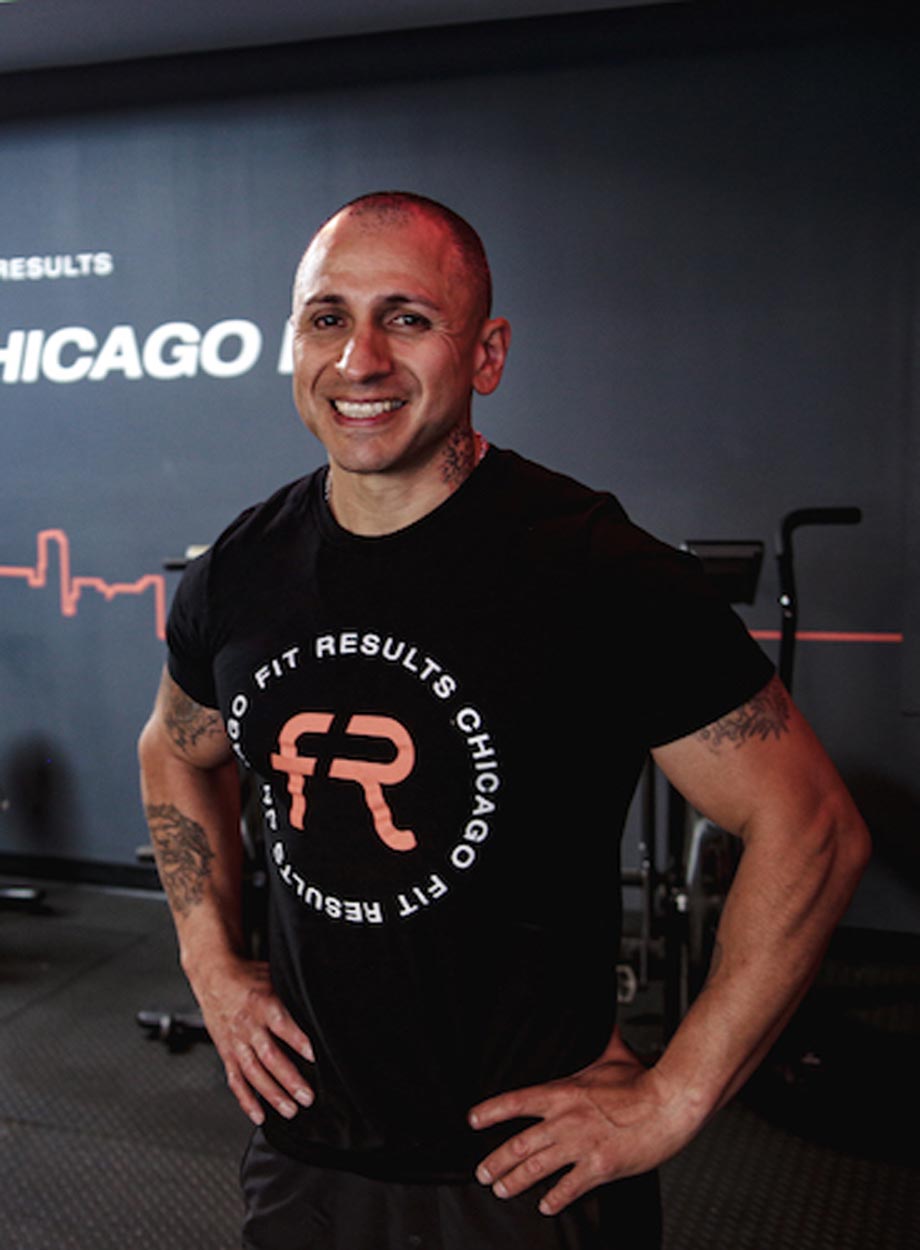
Why a Yearly Personal Training Membership in Chicago Pays Off

Introduction to Fitness Training
Fitness training is what really changes lives, and having a personal trainer that truly cares can make all the difference when you're trying to reach your goals. A good trainer brings real experience, keeps you accountable, and motivates you every single session - helping you figure out workout plans that actually work for what you need, whether that's losing weight, building muscle, or just feeling better overall. With someone in your corner who knows what they're doing, your trainer will help you get through the tough days, celebrate when things go right, and keep you moving forward no matter what life throws at you. It don't matter where you're starting from - investing in personal training is something that has helped thousands of people unlock what they're really capable of and get results that stick around for the long haul.
Types of Training Programs
There's no one approach that works for everyone when it comes to fitness, and that's exactly why most gyms and studios has different training programs to help people with different needs and schedules. Personal training comes in several formats that can help you succeed:
- One-on-One Personal Training: This classic approach is all about you getting private sessions with a personal trainer who cares about your goals and abilities. Every workout is designed just for you, ensuring you get the personal attention you need to make real progress and feel supported.
- Group Fitness Classes: Group classes brings amazing energy and variety to your fitness journey. These sessions are led by experienced trainers who wants to motivate you, and you'll find the social connection helps keep you going. From strength training to endurance and bootcamp-style workouts, there's something for everyone and you never feel alone.
- Semi-Private Training: Semi private training gives you the best of both worlds—you get personalized coaching but in a small group that feels like family. You receive individualized feedback while enjoying the camaraderie and accountability of training alongside others who supports your journey.
- Online Personal Training: For those with busy schedules or who prefers to train at home, many personal trainers now offers online personal training. This flexible option delivers customized workout plans, virtual check-ins, and ongoing support wherever you are, because everyone deserves encouragement no matter where they're at.
Whether you thrives in group classes, prefers the focus of private training, or needs the flexibility of online coaching, there's a training format that will match your lifestyle and help you reach your fitness goals. We believes everyone can succeed when they find the right support and encouragement.
What to Expect from a Training Program
When you start with a personal trainer, expect a supportive experience focused on your fitness goals. It begins with a fitness assessment covering your current level, movement, and health history. You'll receive personalized workout plans tailored to weight management, strength building, or overall health.
Your trainer provides ongoing support with real-time feedback to ensure proper form and safety. Many also offer nutrition advice aligned with your training. For specific needs like injury recovery or sports performance, specialized services such as physical therapy guidance or sports medicine may be available.
Throughout, your trainer tracks progress, adjusts your plan as needed, and keeps you motivated for long-term success and better health.
Lifestyle Habits and Fitness
Achieving your fitness goals isn't just about what happens during your training sessions—it's also about the lifestyle habits you build outside the gym that makes the difference. A personal trainer can guide you in developing healthy routines that support your fitness journey, from creating balanced meal plans to setting realistic goals and building accountability into your daily life that helps you stay motivated and committed.
Consistent exercise, nutritious eating, and adequate rest are all essential for optimal physical performance that helps you move ahead in life. By working with a trainer, you'll learn how to make choices that enhance your results and fit your unique lifestyle that works for you. Over time, these positive habits become second nature that helps you maintain progress and enjoy better health for years to come because we don't leave anyone behind when it comes to achieving goals together.
Mindset and Motivation
Getting to your fitness goals takes more than just having a good workout plan—you need the right mindset and motivation that keeps going. Many trainers understands that the mental stuff can be just as tough as the physical barriers, and we're really good at helping you build up that positive, strong attitude for your fitness journey.
A personal trainer is going to work with you to set goals that makes sense and are achievable, plus give you the encouragement that you need to stay consistent, even when life gets crazy busy or things gets in the way. With regular check-ins and motivational strategies and expert coaching, you'll learn how to get past those setbacks and keep moving ahead. Many trainers also helps with building that mental toughness and keeping a healthy outlook, so you can stay inspired and committed to your long-term success that we achieve together like a partnership.
A yearly personal training membership is a 12-month commitment to structured coaching: regular sessions, scheduled reassessments, evolving programming, and ongoing accountability. That extended timeline lets trainers phase workouts, manage progressive overload, and plan recovery windows more deliberately—so gains are safer, weight loss is sustainable, and rehabilitation follows a measured path. In this guide you’ll find the core benefits of annual plans, how yearly pricing lowers cost per session, why certified trainers matter for rehab and strength, and how community and hybrid programming boost adherence. Gym memberships often include additional amenities and services that enhance the overall value. Personal trainer certifications from reputable organizations like the National Academy of Sports Medicine are a key factor in choosing a Chicago personal trainer, ensuring your coach has the expertise and credentials to deliver safe, effective results.
Within the broader fitness industry, personal trainers serve as key professionals who provide guidance and support to clients seeking health and wellness improvements. We map the mechanics of consistent programming, contrast annual and monthly cost models, and note that while big box gyms may offer lower rates, they often provide less personalized coaching and a more generic workout environment compared to boutique or specialized studios. We also show how trainer expertise shapes individualized plans, highlight community-driven motivation, and share real-world examples plus practical FAQs to help Chicago-based members decide if a year-long membership fits their goals.
What Are the Key Benefits of Yearly Personal Training Memberships?
A year-long membership brings steady coaching, regular reassessments, and priority scheduling—ingredients that make progress measurable and more cost-effective. With 12 months to work, trainers can build phased programs—foundational work, hypertrophy or conditioning blocks, then peaking or maintenance—so your body adapts in a predictable way and plateaus are reduced. Financially, annual plans typically lower cost-per-session and often include reassessments, class credits, and priority booking that pay off over twelve months. Most personal training is structured around hour-long sessions or one-hour sessions, which is the standard for pricing and scheduling. Personal training services are often bundled in packages of four, eight, or twelve sessions, sometimes with expiration terms, which can further influence personal trainer cost and personal trainer rates depending on the package size and membership model. Members also gain accountability and habit support through consistent trainer check-ins and community touchpoints that keep motivation steady. When using group-class credits, group classes often encourage bringing friends or meeting new people, which enhances motivation and creates a supportive environment. Below are the primary advantages to help you compare options quickly.
Yearly memberships deliver four principal benefits:
- Consistent Progress: Long-term programming enables staged, measurable improvements in strength and conditioning.
- Cost Efficiency: Annual pricing lowers average cost per session versus month-to-month or drop-in rates.
- Accountability & Habit Formation: Regular sessions and trainer oversight improve adherence and build lasting habits.
- Added Perks: Priority scheduling, periodic assessments, and group-class credits add value beyond single sessions.
Yearly memberships are especially ideal for those seeking general fitness, as they provide structure and support for overall health, movement, and conditioning.
Together, these benefits explain why an annual plan supports deeper physiological change and better long-term consistency than short-term arrangements. To make the savings concrete, compare the typical pricing scenarios below to estimate cost-per-session over a year.
Different membership models produce different cost-per-session outcomes; the table below shows a side-by-side comparison to illustrate the financial value of an annual commitment. Personal trainer cost and personal trainer rates can vary based on package size, training format, and membership model, so it’s important to consider these factors when evaluating personal training services.
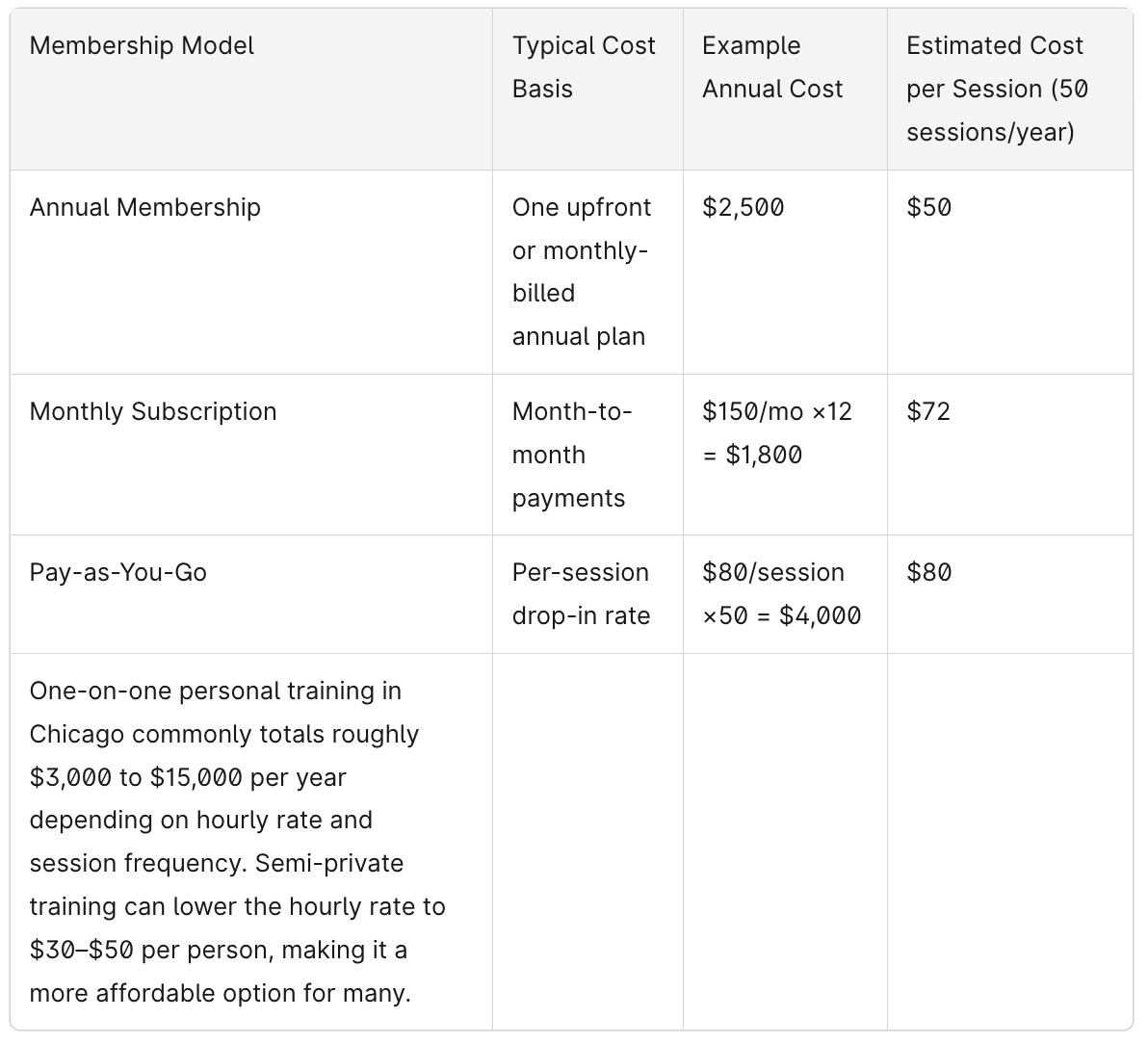
One-on-one personal training in Chicago commonly totals roughly $3,000 to $15,000 per year depending on hourly rate and session frequency. Semi-private training can lower the hourly rate to $30–$50 per person, making it a more affordable option for many.
This comparison shows how spreading regular sessions across an annual membership lowers your effective cost per session and folds assessments and programming into the package. Next we explain how long-term programming produces measurable physiological gains.
How Do Long-Term Plans Enhance Fitness Results?
Long-term plans work because they sequence progressive overload, recovery, and reassessment over months so adaptation happens safely and predictably. Trainers use periodized phases—foundation, load accumulation, intensity, and deload—to raise stimulus while protecting recovery, producing larger strength and conditioning gains than ad hoc sessions. Reassessments every 6–12 weeks give objective data (strength numbers, body-composition trends, movement quality) that guide program tweaks and prevent stagnation.
For example, a 12-month progression might focus on movement quality and hypertrophy in months 1–4, increase load and power in months 5–8, then target sport-specific thresholds or maintenance in months 9–12. That phased approach lowers injury risk, sets realistic timelines, and helps habits stick—so improvements are more likely to last after your membership ends.
What Cost Savings Do Annual Memberships Provide Compared to Monthly Packages?
Annual memberships usually reduce your effective cost per session, bundle assessments and extras, and shield you from short-term price changes during the contract term. If you average 40–60 sessions a year, an upfront or annual-billed plan divides into a smaller per-session number than month-to-month or drop-in pricing. Added value often includes reassessments, discounted class credits, and priority booking that cut other out-of-pocket costs.
To calculate cost-per-session use this formula: (Annual fee ÷ Number of sessions per year) = Cost per session. Below is an illustrative table comparing scenarios to make ROI concrete.
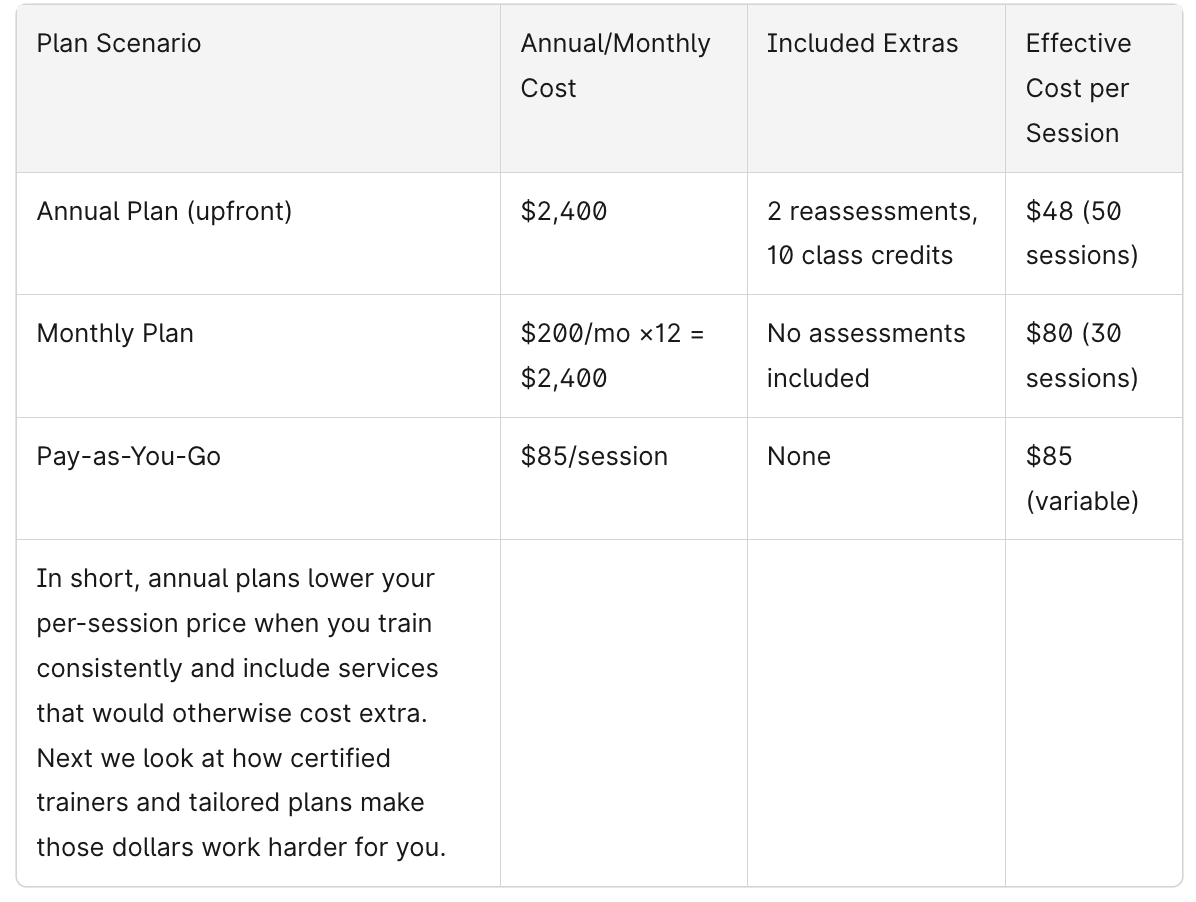
In short, annual plans lower your per-session price when you train consistently and include services that would otherwise cost extra. Next we look at how certified trainers and tailored plans make those dollars work harder for you.
How Does Trainer Expertise and Personalized Plans Improve Your Fitness Journey?
Expert trainers turn a yearly membership into a faster, safer path to your goals. They assess movement and history, set measurable goals, and build a periodized plan that evolves with regular data and feedback. For rehab and strength goals, specialized knowledge ensures appropriate exercise choice, progression, and recovery. Personalized workout plans reflect trainers' experience, certifications, and coaching skills, ensuring sessions are tailored for maximum results. Trainers with advanced certifications or specialized skills typically charge more in Chicago, reflecting their expertise and value.
Below is a mapping of trainer attributes to member benefits, showing how certifications and experience translate into better outcomes. When choosing a personal trainer, look for credentials, relevant experience, and a track record of client results to make the best investment in your fitness journey.

This mapping makes clear why continuous oversight from trained professionals produces better outcomes than occasional sessions. Many personal trainers now use technology to track progress, deliver remote workouts, and keep clients accountable, further enhancing the value of a yearly membership. The next sections explain why certification matters and how custom plans are created.
Why Choose Certified Personal Trainers for Injury Rehabilitation and Strength Building?
Certified trainers with rehab and strength credentials reduce risk and speed recovery through clinically informed progressions and movement corrections. Many have backgrounds in sports medicine and physical therapy, enhancing their ability to support injury recovery and provide targeted programs. Personal trainers prevent injuries by teaching proper form and technique. Hands-on coaching allows real-time feedback and personalized adjustments. Assessments identify compensations and deficits; evidence-based methods like graded exposure, mobility work, and progressive loading restore function while respecting tissue-healing timelines.
For example, rehabbing a shoulder strain involves mobility work, scapular stabilization, and phased load increases based on pain and strength metrics. Ongoing monitoring with objective measures guides safe progression. This rehab-then-strength approach makes yearly memberships effective by allowing safe rebuilding followed by performance improvement.
How Are Customized Training Plans Tailored to Individual Goals?
Customized plans follow a clear process: initial consultation and movement screening; goal-setting with measurable targets; phased program design; scheduled reassessments; and ongoing adjustments. Trainers use assessment data and client history to prescribe exercises, intensity, volume, and recovery aligned with goals like weight loss or strength gains. Many include nutrition support for healthy eating and injury prevention, ensuring efficient workouts tailored to individual needs.
For example, a beginner aiming for weight loss might start with three weekly strength and metabolic conditioning sessions with gradual volume increases. A strength-focused athlete might do fewer, higher-intensity lifts with accessory work timed for recovery. Weekly check-ins and quarterly reassessments keep the plan aligned with progress, making annual memberships valuable for evolving goals.
How Do Training Sessions and Scheduling Work for Yearly Members?
Yearly personal training memberships is designed for flexibility and consistency. Making it easier to fit training into your busy Chicago lifestyle. After your first meeting with a personal trainer you will work together to map out a schedule that fits with your fitness goals and when you can come in and what kind of training you like best. Most members does a mix of one-on-one sessions and semi private training and group training to get the best of personal attention but also community motivation. In-person coaching provides valuable face-to-face interaction and immediate feedback, which is a key advantage over online coaching. In-person trainers play a crucial role in helping members stay accountable and achieve their goals through direct support and guidance.
Scheduling is pretty straightforward. You can book your training sessions per week ahead of time and choose from morning or afternoon or evening slots that works for your routine. Many gyms including Fit Results has user-friendly online scheduling tools or mobile apps so you can easily manage your appointments and change them when you need to. For example you might set up two one on one sessions with your personal trainer and add a semi private session for extra motivation and finish your week with a group fitness class for variety and social support.
Communication is key. Your personal trainer will check in with you regular to make sure your training sessions are moving toward your fitness goals and make changes as your needs change. Whether you are looking for more accountability or want to try new group training formats or need to reschedule because of travel the process is designed to be as helpful as possible. This flexible approach that focuses on members helps you stay consistent and engaged throughout your fitness journey.
How Can Nutrition and Healthy Eating Maximize Your Training Results?
Nutrition is the foundation of every training session and helps you reach your fitness goals. Working with a certified personal trainer or nutrition coach, you get a personalized nutrition plan that supports your workouts, speeds recovery, and aids weight management.
A balanced diet with lean proteins, complex carbs, and healthy fats provides the energy and nutrients needed for optimal performance. For weight management, trainers may suggest portion control and nutrient-dense meals. For strength or endurance, plans emphasize protein for muscle repair and carbs for energy.
Hydration before, during, and after sessions is crucial for recovery and health. Trainers also provide practical advice on meal timing, healthy snacks, and eating out without compromising progress.
Combining expert training with smart nutrition leads to better strength, endurance, and body composition. This approach ensures every training hour delivers maximum results, both in and out of the gym.
In What Ways Does Community Support Motivate Yearly Members?
Community support increases adherence by adding social accountability, structured challenges, and shared milestones that align individual effort with group norms. Social reinforcement raises the perceived cost of skipping sessions and boosts motivation through peer recognition and a sense of belonging. Group sessions and group formats empower participants by providing personalized support and guidance, and encourage you to bring friends or meet new ones for added motivation and support. Community events and group formats are also effective ways for trainers and gyms to attract new clients and build a supportive network, helping to grow and sustain a thriving fitness community.
Below is a practical breakdown of typical community offerings and their member benefits.
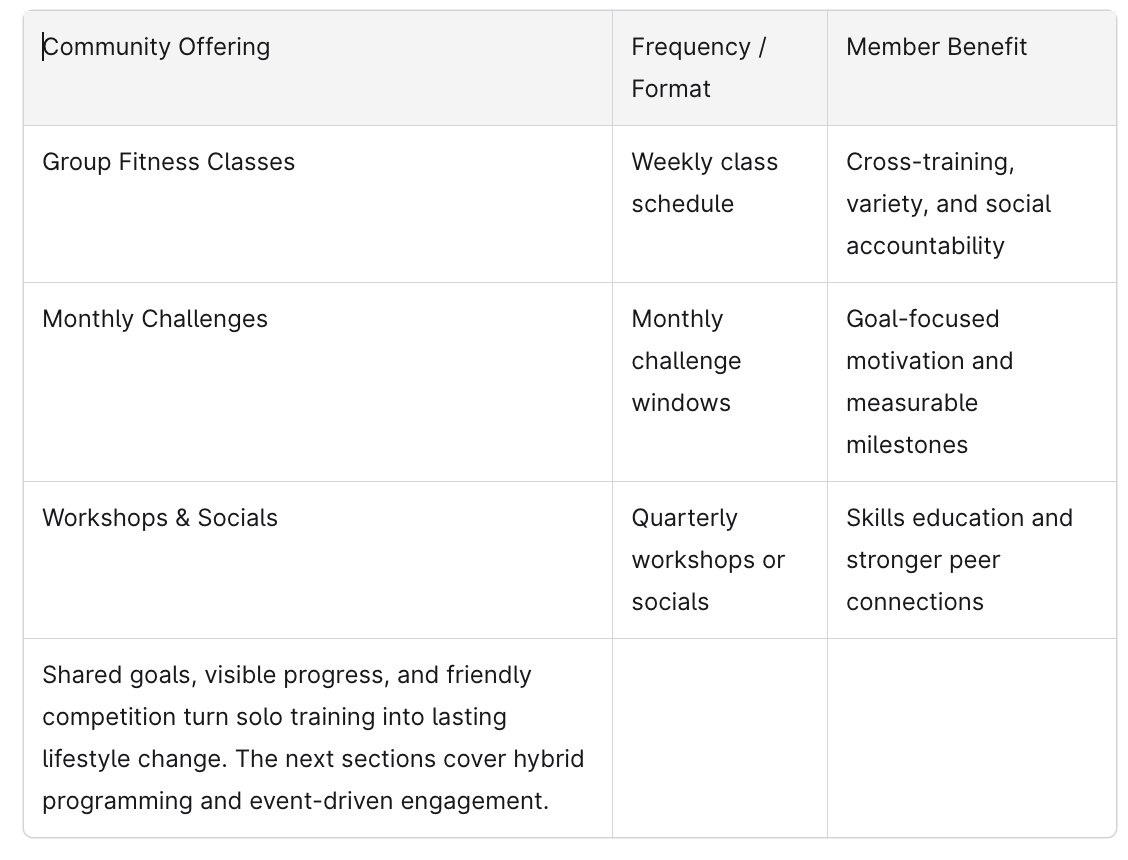
Shared goals, visible progress, and friendly competition turn solo training into lasting lifestyle change. The next sections cover hybrid programming and event-driven engagement.
How Does Group Fitness Integration Boost Commitment and Results?
Combining group fitness with personal training gives you the best of both: individualized progression and peer-driven accountability. Group classes offer metabolic conditioning, mobility work, and variety that complement focused strength sessions. Trainers can use class performance to adjust individual loads and programming.
For example, a weekly plan might include two one-on-one strength sessions and two group conditioning classes. This mix improves attendance, reduces overuse injury risk through varied movements, and gives trainers data to optimize your program. Small group training with 2–6 participants offers a cost-effective, community-focused option. Semi-private packages typically save 30–60% per person compared to one-on-one sessions by splitting the trainer’s hourly rate.
It’s worth noting that a gym trainer working within a gym setting may earn less and work more hours compared to private trainers who develop their skills and client base. Trainers who invest in professional development and attract more clients—especially in group or semi-private formats—can earn more money, making these arrangements beneficial for both clients and trainers.
What Role Do Community Events Play in Sustaining Fitness Motivation?
Community events such as challenges, socials, and workshops maintain motivation by setting deadlines, recognizing progress, and teaching skills. These events break routine, foster relationships, and increase retention. Regular check-ins and digital platforms support hybrid coaching with in-person sessions and real-time feedback.
Event impact is measured by attendance, retention, and performance tied to challenges. Frequent events provide ongoing motivation and enhance the value of a 12-month membership.
How Can You Overcome Obstacles and Challenges During Your Fitness Journey?
Every fitness journey is coming with its share of challenges, but with the right support and mindset, you can overcome obstacles and keep moving ahead in life. One of the most effective strategies is to work closely with a personal trainer that understands your goals and can adapt your personal training sessions to fit your needs—whether you’re facing a motivation slump, a busy schedule, or a setback like injury that affects you. It's worth noting that at some gyms, personal trainers are paid minimum wage for non-training or floor hours, which can impact their availability and motivation to provide extra support outside of scheduled sessions.
Setting realistic, achievable fitness goals and tracking your progress helps maintain motivation that you need. Celebrate small wins along the way, and don’t hesitate to adjust your plan if life throws you a curveball that comes your way. Group fitness classes and training sessions offers a supportive environment where you can draw inspiration from others and stay accountable, even on tough days when you need encouragement.
If you get injured or sick, tell your trainer so they can adjust your program with safe, effective movements to help you recover without losing progress. Online resources and fitness communities can also offer support and tips when you need extra motivation.
Consistency matters more than perfection. Use your trainer’s expertise, join group fitness classes, and stay connected to your gym community to build resilience and habits that help you overcome challenges on your fitness journey.
What Common Mistakes Should You Avoid with a Yearly Personal Training Membership?
To maximize your yearly personal training membership, avoid common pitfalls. Start with clear fitness goals to help your trainer design an effective program. Understand membership terms and how trainer pay structures, like those at LA Fitness, may affect your experience.
Communicate openly with your trainer about preferences and progress. Stay consistent with sessions to maintain momentum. Avoid comparing your progress to others; focus on your own journey. Prioritize nutrition and recovery, as neglecting these can hinder results.
Be patient and trust the process—results take time, especially for long-term goals like strength building or weight management. Consistency and partnership with your trainer will yield the best outcomes.
What Success Stories Demonstrate the Value of Yearly Memberships?
Anonymous case summaries reveal common themes: continuity enables measurable weight loss, meaningful strength gains, and lasting habit change that short-term programs rarely deliver. For personal training clients, the ability to track progress against fitness benchmarks through regular assessments provides a clear return on investment, as improvements are documented and celebrated over time. Sustained coaching synchronizes progressive overload with behavior change, producing results that don’t appear in brief coaching windows. The examples below tie outcomes directly to the year-long structure—periodized programming, regular reassessments, and community engagement. Personal training enhances self-esteem, body confidence, and mental health, reducing anxiety and increasing self-confidence as clients achieve their goals.
How Have Clients Achieved Weight Loss and Strength Gains with Annual Plans?
Clients on year-long programs typically see phased progress: initial improvements in consistency and movement quality, mid-year body composition changes, and end-of-year strength or endurance gains. For example, a structured 12-month plan can reduce body fat by 8–12% and increase one-rep maxes in core lifts by 15–30%, driven by consistent nutrition and strength training.
Even self-motivated clients benefit from trainer attention, which accelerates progress and boosts self-esteem, body confidence, and mental health.
The membership covers rehab, hypertrophy, and strength phases, allowing safe timing of caloric and loading adjustments for lasting results. This demonstrates why a yearly commitment is an efficient path to meaningful transformation.
What Testimonials Highlight the Benefits of Long-Term Personal Training?
Members consistently cite three themes: accountability, visible progress, and community support. Sample anonymized feedback from 6–12 month clients includes:
- “A year of guided progression finally unlocked strength goals I’d chased for years—my trainer kept me honest and motivated.”
- “Regular reassessments held me accountable, and the group classes made training fun instead of a chore.”
- “Sticking with the same coach for a year changed my habits—I’m more consistent and confident.”
Many members highlight the benefits of working with the same trainer for consistency and tailored progress. A good trainer not only provides expert guidance and motivation, but also delivers valuable education to help clients develop better habits and ensure safe and effective workouts.
These testimonials show how long-term trainer relationships and community frameworks produce sustained behavior change and measurable results. The next section answers common operational questions prospective members ask about annual plans.
What Are the Most Common Questions About Yearly Personal Training Memberships?
Prospective members frequently ask about freeze policies, booking and matching, and membership terms. Clear answers reduce friction and set expectations. Transparent freeze rules, a simple booking flow, and an easy trainer-match process build trust and lower barriers to commitment. When comparing gym memberships, it's important to consider what amenities or services are included—many fitness clubs offer access to group classes, fitness technology, personal training, and sometimes even massage or tanning, which can add significant value beyond basic gym access. Many providers offer a trial session so clients can experience the trainer’s coaching style and determine if it aligns with their motivation and needs before committing. Additionally, personal trainers are often required to have certifications from recognized organizations, such as the National Academy of Sports Medicine (NASM) or the American Council on Exercise (ACE). Below are concise, snippet-ready answers to top operational questions and a step-by-step guide to booking a consultation and choosing the right trainer.
Can You Freeze or Pause Your Yearly Membership?
Yes—many annual memberships allow freezes that pause billing and session scheduling for health or travel reasons, though limits usually apply. Typical rules cap freeze duration (for example, a single multi-week freeze per year) and require advance notice; medical freezes may need documentation or a written request.
To request a freeze, notify your provider in writing, state the freeze dates, and confirm the planned resume date; some providers require a minimum active period before freezes are allowed.
Always confirm freeze eligibility, notice windows, and any administrative fees before signing an annual agreement to avoid surprises.
How Do You Book Consultations and Choose the Best Personal Trainer in Chicago?
A clear booking and matching workflow reduces friction and improves fit: book a consultation → complete intake and assessment → review trainer matches based on goals and specialties → try a few sessions and confirm your long-term plan. During your consultation, ask about experience with your priority goal (injury rehab, weight loss, strength), reassessment cadence, and how a 12-month progression is structured. In Chicago, there are many trainers available, so take the time to find experienced trainers who can personalize your program, prevent injuries, and deliver effective results.
Useful evaluation questions include:
- “How do you structure a 12-month progression?”
- “What metrics do you use for reassessment?”
- “Can you describe a rehab-to-strength plan for my condition?”
In Chicago, prioritize trainers who show relevant experience and a consistent reassessment cadence; studios that publish trainer bios and specialties make matching easier. To book, use the provider’s consultation process and ask to review trainer bios to find a long-term coach who fits. Be sure to read client reviews and ask for references or before/after examples to gauge results and fit.
For next steps, Fit Results—a Chicago-based studio focused on personal training and group fitness in the South Loop—offers yearly memberships centered on expert trainers, customized programming, and community. Their model is designed to encourage long-term commitment for better results and cost efficiency; prospective members can request a consultation to review program structure, trainer specialties, and reassessment schedules. Trainer profiles list certifications and specialties to help match you with the right coach.
- Book an initial consultation and intake assessment.
- Review trainer specialties and choose a match aligned with your goals.
- Begin a phased, 12-month program with scheduled reassessments and community touchpoints.
Frequently Asked Questions
What should I consider before committing to a yearly personal training membership?
Before committing, think about your goals, schedule, and budget. Be realistic about your ability to attend sessions year-round and whether the membership supports your priorities—weight loss, strength, or rehab. Also evaluate the trainer’s experience and the studio’s community support, and review membership terms like cancellation and freeze policies so you know what to expect.
How can I track my progress during a yearly training program?
Progress tracking typically includes scheduled reassessments every 6–12 weeks with metrics like strength tests, body-composition trends, and movement screens. Many clients also keep a training log or use fitness apps to record workouts, nutrition, and notes. Digital progress tracking has revolutionized the way personal training supports your fitness goals, allowing trainers to establish a baseline, monitor improvements, and personalize workouts based on your tracked progress. Investing in personal training can provide a clear return on investment by tracking progress against fitness benchmarks. Regular documentation makes progress visible, helps adjust plans, and keeps motivation steady.
Are there any specific requirements for joining a yearly personal training program?
Most programs require an initial consultation and movement assessment to establish baseline fitness and goals. Some providers may have age or medical prerequisites for certain programs—so disclose any medical history during intake. Be prepared for a year-long commitment that includes regular sessions and participation in community activities.
What types of community support are typically available in these programs?
Community support commonly includes group fitness classes, monthly challenges, and social events. Group classes add variety and accountability; challenges provide goal-focused windows for measurable progress; and workshops or socials build skills and peer connections—making training more enjoyable and easier to stick with.
How do I know if a personal trainer is right for me?
Look at qualifications, experience, and communication style. In the consultation, ask how they tailor programs, how they reassess progress, and whether they’ve worked with clients who have goals like yours. A good trainer will have the right credentials, relevant experience, and a strong track record of client results. Always look for a trainer with a proven track record, as this demonstrates their effectiveness in helping clients achieve long-term results. A strong trainer should explain their approach clearly and make you feel confident about the plan.
What happens if I need to cancel my yearly membership?
Cancellation terms vary by provider and are usually detailed in the membership agreement. They may include notice periods or fees. If you face unforeseen circumstances—health issues or relocation—contact your provider promptly to discuss options such as freezing your membership or negotiating a cancellation.
Conclusion
A yearly personal training membership in Chicago's South Loop gives you time, structure, and community—the key ingredients for consistent progress, better value per session, and lasting habit change. With expert trainers, scheduled reassessments, and hybrid programming options, a 12-month plan is designed to help you reach meaningful, sustainable results. If you're ready to invest in long-term progress, explore membership options and book a consultation to see how a yearly plan fits your goals.
Why a Yearly Personal Training Membership in Chicago Pays Off
Introduction to Fitness Training
Fitness training is what really changes lives, and having a personal trainer that truly cares can make all the difference when you're trying to reach your goals. A good trainer brings real experience, keeps you accountable, and motivates you every single session - helping you figure out workout plans that actually work for what you need, whether that's losing weight, building muscle, or just feeling better overall. With someone in your corner who knows what they're doing, your trainer will help you get through the tough days, celebrate when things go right, and keep you moving forward no matter what life throws at you. It don't matter where you're starting from - investing in personal training is something that has helped thousands of people unlock what they're really capable of and get results that stick around for the long haul.
Types of Training Programs
There's no one approach that works for everyone when it comes to fitness, and that's exactly why most gyms and studios has different training programs to help people with different needs and schedules. Personal training comes in several formats that can help you succeed:
- One-on-One Personal Training: This classic approach is all about you getting private sessions with a personal trainer who cares about your goals and abilities. Every workout is designed just for you, ensuring you get the personal attention you need to make real progress and feel supported.
- Group Fitness Classes: Group classes brings amazing energy and variety to your fitness journey. These sessions are led by experienced trainers who wants to motivate you, and you'll find the social connection helps keep you going. From strength training to endurance and bootcamp-style workouts, there's something for everyone and you never feel alone.
- Semi-Private Training: Semi private training gives you the best of both worlds—you get personalized coaching but in a small group that feels like family. You receive individualized feedback while enjoying the camaraderie and accountability of training alongside others who supports your journey.
- Online Personal Training: For those with busy schedules or who prefers to train at home, many personal trainers now offers online personal training. This flexible option delivers customized workout plans, virtual check-ins, and ongoing support wherever you are, because everyone deserves encouragement no matter where they're at.
Whether you thrives in group classes, prefers the focus of private training, or needs the flexibility of online coaching, there's a training format that will match your lifestyle and help you reach your fitness goals. We believes everyone can succeed when they find the right support and encouragement.
What to Expect from a Training Program
When you start with a personal trainer, expect a supportive experience focused on your fitness goals. It begins with a fitness assessment covering your current level, movement, and health history. You'll receive personalized workout plans tailored to weight management, strength building, or overall health.
Your trainer provides ongoing support with real-time feedback to ensure proper form and safety. Many also offer nutrition advice aligned with your training. For specific needs like injury recovery or sports performance, specialized services such as physical therapy guidance or sports medicine may be available.
Throughout, your trainer tracks progress, adjusts your plan as needed, and keeps you motivated for long-term success and better health.
Lifestyle Habits and Fitness
Achieving your fitness goals isn't just about what happens during your training sessions—it's also about the lifestyle habits you build outside the gym that makes the difference. A personal trainer can guide you in developing healthy routines that support your fitness journey, from creating balanced meal plans to setting realistic goals and building accountability into your daily life that helps you stay motivated and committed.
Consistent exercise, nutritious eating, and adequate rest are all essential for optimal physical performance that helps you move ahead in life. By working with a trainer, you'll learn how to make choices that enhance your results and fit your unique lifestyle that works for you. Over time, these positive habits become second nature that helps you maintain progress and enjoy better health for years to come because we don't leave anyone behind when it comes to achieving goals together.
Mindset and Motivation
Getting to your fitness goals takes more than just having a good workout plan—you need the right mindset and motivation that keeps going. Many trainers understands that the mental stuff can be just as tough as the physical barriers, and we're really good at helping you build up that positive, strong attitude for your fitness journey.
A personal trainer is going to work with you to set goals that makes sense and are achievable, plus give you the encouragement that you need to stay consistent, even when life gets crazy busy or things gets in the way. With regular check-ins and motivational strategies and expert coaching, you'll learn how to get past those setbacks and keep moving ahead. Many trainers also helps with building that mental toughness and keeping a healthy outlook, so you can stay inspired and committed to your long-term success that we achieve together like a partnership.
A yearly personal training membership is a 12-month commitment to structured coaching: regular sessions, scheduled reassessments, evolving programming, and ongoing accountability. That extended timeline lets trainers phase workouts, manage progressive overload, and plan recovery windows more deliberately—so gains are safer, weight loss is sustainable, and rehabilitation follows a measured path. In this guide you’ll find the core benefits of annual plans, how yearly pricing lowers cost per session, why certified trainers matter for rehab and strength, and how community and hybrid programming boost adherence. Gym memberships often include additional amenities and services that enhance the overall value. Personal trainer certifications from reputable organizations like the National Academy of Sports Medicine are a key factor in choosing a Chicago personal trainer, ensuring your coach has the expertise and credentials to deliver safe, effective results.
Within the broader fitness industry, personal trainers serve as key professionals who provide guidance and support to clients seeking health and wellness improvements. We map the mechanics of consistent programming, contrast annual and monthly cost models, and note that while big box gyms may offer lower rates, they often provide less personalized coaching and a more generic workout environment compared to boutique or specialized studios. We also show how trainer expertise shapes individualized plans, highlight community-driven motivation, and share real-world examples plus practical FAQs to help Chicago-based members decide if a year-long membership fits their goals.
What Are the Key Benefits of Yearly Personal Training Memberships?
A year-long membership brings steady coaching, regular reassessments, and priority scheduling—ingredients that make progress measurable and more cost-effective. With 12 months to work, trainers can build phased programs—foundational work, hypertrophy or conditioning blocks, then peaking or maintenance—so your body adapts in a predictable way and plateaus are reduced. Financially, annual plans typically lower cost-per-session and often include reassessments, class credits, and priority booking that pay off over twelve months. Most personal training is structured around hour-long sessions or one-hour sessions, which is the standard for pricing and scheduling. Personal training services are often bundled in packages of four, eight, or twelve sessions, sometimes with expiration terms, which can further influence personal trainer cost and personal trainer rates depending on the package size and membership model. Members also gain accountability and habit support through consistent trainer check-ins and community touchpoints that keep motivation steady. When using group-class credits, group classes often encourage bringing friends or meeting new people, which enhances motivation and creates a supportive environment. Below are the primary advantages to help you compare options quickly.
Yearly memberships deliver four principal benefits:
- Consistent Progress: Long-term programming enables staged, measurable improvements in strength and conditioning.
- Cost Efficiency: Annual pricing lowers average cost per session versus month-to-month or drop-in rates.
- Accountability & Habit Formation: Regular sessions and trainer oversight improve adherence and build lasting habits.
- Added Perks: Priority scheduling, periodic assessments, and group-class credits add value beyond single sessions.
Yearly memberships are especially ideal for those seeking general fitness, as they provide structure and support for overall health, movement, and conditioning.
Together, these benefits explain why an annual plan supports deeper physiological change and better long-term consistency than short-term arrangements. To make the savings concrete, compare the typical pricing scenarios below to estimate cost-per-session over a year.
Different membership models produce different cost-per-session outcomes; the table below shows a side-by-side comparison to illustrate the financial value of an annual commitment. Personal trainer cost and personal trainer rates can vary based on package size, training format, and membership model, so it’s important to consider these factors when evaluating personal training services.
One-on-one personal training in Chicago commonly totals roughly $3,000 to $15,000 per year depending on hourly rate and session frequency. Semi-private training can lower the hourly rate to $30–$50 per person, making it a more affordable option for many.
This comparison shows how spreading regular sessions across an annual membership lowers your effective cost per session and folds assessments and programming into the package. Next we explain how long-term programming produces measurable physiological gains.
How Do Long-Term Plans Enhance Fitness Results?
Long-term plans work because they sequence progressive overload, recovery, and reassessment over months so adaptation happens safely and predictably. Trainers use periodized phases—foundation, load accumulation, intensity, and deload—to raise stimulus while protecting recovery, producing larger strength and conditioning gains than ad hoc sessions. Reassessments every 6–12 weeks give objective data (strength numbers, body-composition trends, movement quality) that guide program tweaks and prevent stagnation.
For example, a 12-month progression might focus on movement quality and hypertrophy in months 1–4, increase load and power in months 5–8, then target sport-specific thresholds or maintenance in months 9–12. That phased approach lowers injury risk, sets realistic timelines, and helps habits stick—so improvements are more likely to last after your membership ends.
What Cost Savings Do Annual Memberships Provide Compared to Monthly Packages?
Annual memberships usually reduce your effective cost per session, bundle assessments and extras, and shield you from short-term price changes during the contract term. If you average 40–60 sessions a year, an upfront or annual-billed plan divides into a smaller per-session number than month-to-month or drop-in pricing. Added value often includes reassessments, discounted class credits, and priority booking that cut other out-of-pocket costs.
To calculate cost-per-session use this formula: (Annual fee ÷ Number of sessions per year) = Cost per session. Below is an illustrative table comparing scenarios to make ROI concrete.
In short, annual plans lower your per-session price when you train consistently and include services that would otherwise cost extra. Next we look at how certified trainers and tailored plans make those dollars work harder for you.
How Does Trainer Expertise and Personalized Plans Improve Your Fitness Journey?
Expert trainers turn a yearly membership into a faster, safer path to your goals. They assess movement and history, set measurable goals, and build a periodized plan that evolves with regular data and feedback. For rehab and strength goals, specialized knowledge ensures appropriate exercise choice, progression, and recovery. Personalized workout plans reflect trainers' experience, certifications, and coaching skills, ensuring sessions are tailored for maximum results. Trainers with advanced certifications or specialized skills typically charge more in Chicago, reflecting their expertise and value.
Below is a mapping of trainer attributes to member benefits, showing how certifications and experience translate into better outcomes. When choosing a personal trainer, look for credentials, relevant experience, and a track record of client results to make the best investment in your fitness journey.
This mapping makes clear why continuous oversight from trained professionals produces better outcomes than occasional sessions. Many personal trainers now use technology to track progress, deliver remote workouts, and keep clients accountable, further enhancing the value of a yearly membership. The next sections explain why certification matters and how custom plans are created.
Why Choose Certified Personal Trainers for Injury Rehabilitation and Strength Building?
Certified trainers with rehab and strength credentials reduce risk and speed recovery through clinically informed progressions and movement corrections. Many have backgrounds in sports medicine and physical therapy, enhancing their ability to support injury recovery and provide targeted programs. Personal trainers prevent injuries by teaching proper form and technique. Hands-on coaching allows real-time feedback and personalized adjustments. Assessments identify compensations and deficits; evidence-based methods like graded exposure, mobility work, and progressive loading restore function while respecting tissue-healing timelines.
For example, rehabbing a shoulder strain involves mobility work, scapular stabilization, and phased load increases based on pain and strength metrics. Ongoing monitoring with objective measures guides safe progression. This rehab-then-strength approach makes yearly memberships effective by allowing safe rebuilding followed by performance improvement.
How Are Customized Training Plans Tailored to Individual Goals?
Customized plans follow a clear process: initial consultation and movement screening; goal-setting with measurable targets; phased program design; scheduled reassessments; and ongoing adjustments. Trainers use assessment data and client history to prescribe exercises, intensity, volume, and recovery aligned with goals like weight loss or strength gains. Many include nutrition support for healthy eating and injury prevention, ensuring efficient workouts tailored to individual needs.
For example, a beginner aiming for weight loss might start with three weekly strength and metabolic conditioning sessions with gradual volume increases. A strength-focused athlete might do fewer, higher-intensity lifts with accessory work timed for recovery. Weekly check-ins and quarterly reassessments keep the plan aligned with progress, making annual memberships valuable for evolving goals.
How Do Training Sessions and Scheduling Work for Yearly Members?
Yearly personal training memberships is designed for flexibility and consistency. Making it easier to fit training into your busy Chicago lifestyle. After your first meeting with a personal trainer you will work together to map out a schedule that fits with your fitness goals and when you can come in and what kind of training you like best. Most members does a mix of one-on-one sessions and semi private training and group training to get the best of personal attention but also community motivation. In-person coaching provides valuable face-to-face interaction and immediate feedback, which is a key advantage over online coaching. In-person trainers play a crucial role in helping members stay accountable and achieve their goals through direct support and guidance.
Scheduling is pretty straightforward. You can book your training sessions per week ahead of time and choose from morning or afternoon or evening slots that works for your routine. Many gyms including Fit Results has user-friendly online scheduling tools or mobile apps so you can easily manage your appointments and change them when you need to. For example you might set up two one on one sessions with your personal trainer and add a semi private session for extra motivation and finish your week with a group fitness class for variety and social support.
Communication is key. Your personal trainer will check in with you regular to make sure your training sessions are moving toward your fitness goals and make changes as your needs change. Whether you are looking for more accountability or want to try new group training formats or need to reschedule because of travel the process is designed to be as helpful as possible. This flexible approach that focuses on members helps you stay consistent and engaged throughout your fitness journey.
How Can Nutrition and Healthy Eating Maximize Your Training Results?
Nutrition is the foundation of every training session and helps you reach your fitness goals. Working with a certified personal trainer or nutrition coach, you get a personalized nutrition plan that supports your workouts, speeds recovery, and aids weight management.
A balanced diet with lean proteins, complex carbs, and healthy fats provides the energy and nutrients needed for optimal performance. For weight management, trainers may suggest portion control and nutrient-dense meals. For strength or endurance, plans emphasize protein for muscle repair and carbs for energy.
Hydration before, during, and after sessions is crucial for recovery and health. Trainers also provide practical advice on meal timing, healthy snacks, and eating out without compromising progress.
Combining expert training with smart nutrition leads to better strength, endurance, and body composition. This approach ensures every training hour delivers maximum results, both in and out of the gym.
In What Ways Does Community Support Motivate Yearly Members?
Community support increases adherence by adding social accountability, structured challenges, and shared milestones that align individual effort with group norms. Social reinforcement raises the perceived cost of skipping sessions and boosts motivation through peer recognition and a sense of belonging. Group sessions and group formats empower participants by providing personalized support and guidance, and encourage you to bring friends or meet new ones for added motivation and support. Community events and group formats are also effective ways for trainers and gyms to attract new clients and build a supportive network, helping to grow and sustain a thriving fitness community.
Below is a practical breakdown of typical community offerings and their member benefits.
Shared goals, visible progress, and friendly competition turn solo training into lasting lifestyle change. The next sections cover hybrid programming and event-driven engagement.
How Does Group Fitness Integration Boost Commitment and Results?
Combining group fitness with personal training gives you the best of both: individualized progression and peer-driven accountability. Group classes offer metabolic conditioning, mobility work, and variety that complement focused strength sessions. Trainers can use class performance to adjust individual loads and programming.
For example, a weekly plan might include two one-on-one strength sessions and two group conditioning classes. This mix improves attendance, reduces overuse injury risk through varied movements, and gives trainers data to optimize your program. Small group training with 2–6 participants offers a cost-effective, community-focused option. Semi-private packages typically save 30–60% per person compared to one-on-one sessions by splitting the trainer’s hourly rate.
It’s worth noting that a gym trainer working within a gym setting may earn less and work more hours compared to private trainers who develop their skills and client base. Trainers who invest in professional development and attract more clients—especially in group or semi-private formats—can earn more money, making these arrangements beneficial for both clients and trainers.
What Role Do Community Events Play in Sustaining Fitness Motivation?
Community events such as challenges, socials, and workshops maintain motivation by setting deadlines, recognizing progress, and teaching skills. These events break routine, foster relationships, and increase retention. Regular check-ins and digital platforms support hybrid coaching with in-person sessions and real-time feedback.
Event impact is measured by attendance, retention, and performance tied to challenges. Frequent events provide ongoing motivation and enhance the value of a 12-month membership.
How Can You Overcome Obstacles and Challenges During Your Fitness Journey?
Every fitness journey is coming with its share of challenges, but with the right support and mindset, you can overcome obstacles and keep moving ahead in life. One of the most effective strategies is to work closely with a personal trainer that understands your goals and can adapt your personal training sessions to fit your needs—whether you’re facing a motivation slump, a busy schedule, or a setback like injury that affects you. It's worth noting that at some gyms, personal trainers are paid minimum wage for non-training or floor hours, which can impact their availability and motivation to provide extra support outside of scheduled sessions.
Setting realistic, achievable fitness goals and tracking your progress helps maintain motivation that you need. Celebrate small wins along the way, and don’t hesitate to adjust your plan if life throws you a curveball that comes your way. Group fitness classes and training sessions offers a supportive environment where you can draw inspiration from others and stay accountable, even on tough days when you need encouragement.
If you get injured or sick, tell your trainer so they can adjust your program with safe, effective movements to help you recover without losing progress. Online resources and fitness communities can also offer support and tips when you need extra motivation.
Consistency matters more than perfection. Use your trainer’s expertise, join group fitness classes, and stay connected to your gym community to build resilience and habits that help you overcome challenges on your fitness journey.
What Common Mistakes Should You Avoid with a Yearly Personal Training Membership?
To maximize your yearly personal training membership, avoid common pitfalls. Start with clear fitness goals to help your trainer design an effective program. Understand membership terms and how trainer pay structures, like those at LA Fitness, may affect your experience.
Communicate openly with your trainer about preferences and progress. Stay consistent with sessions to maintain momentum. Avoid comparing your progress to others; focus on your own journey. Prioritize nutrition and recovery, as neglecting these can hinder results.
Be patient and trust the process—results take time, especially for long-term goals like strength building or weight management. Consistency and partnership with your trainer will yield the best outcomes.
What Success Stories Demonstrate the Value of Yearly Memberships?
Anonymous case summaries reveal common themes: continuity enables measurable weight loss, meaningful strength gains, and lasting habit change that short-term programs rarely deliver. For personal training clients, the ability to track progress against fitness benchmarks through regular assessments provides a clear return on investment, as improvements are documented and celebrated over time. Sustained coaching synchronizes progressive overload with behavior change, producing results that don’t appear in brief coaching windows. The examples below tie outcomes directly to the year-long structure—periodized programming, regular reassessments, and community engagement. Personal training enhances self-esteem, body confidence, and mental health, reducing anxiety and increasing self-confidence as clients achieve their goals.
How Have Clients Achieved Weight Loss and Strength Gains with Annual Plans?
Clients on year-long programs typically see phased progress: initial improvements in consistency and movement quality, mid-year body composition changes, and end-of-year strength or endurance gains. For example, a structured 12-month plan can reduce body fat by 8–12% and increase one-rep maxes in core lifts by 15–30%, driven by consistent nutrition and strength training.
Even self-motivated clients benefit from trainer attention, which accelerates progress and boosts self-esteem, body confidence, and mental health.
The membership covers rehab, hypertrophy, and strength phases, allowing safe timing of caloric and loading adjustments for lasting results. This demonstrates why a yearly commitment is an efficient path to meaningful transformation.
What Testimonials Highlight the Benefits of Long-Term Personal Training?
Members consistently cite three themes: accountability, visible progress, and community support. Sample anonymized feedback from 6–12 month clients includes:
- “A year of guided progression finally unlocked strength goals I’d chased for years—my trainer kept me honest and motivated.”
- “Regular reassessments held me accountable, and the group classes made training fun instead of a chore.”
- “Sticking with the same coach for a year changed my habits—I’m more consistent and confident.”
Many members highlight the benefits of working with the same trainer for consistency and tailored progress. A good trainer not only provides expert guidance and motivation, but also delivers valuable education to help clients develop better habits and ensure safe and effective workouts.
These testimonials show how long-term trainer relationships and community frameworks produce sustained behavior change and measurable results. The next section answers common operational questions prospective members ask about annual plans.
What Are the Most Common Questions About Yearly Personal Training Memberships?
Prospective members frequently ask about freeze policies, booking and matching, and membership terms. Clear answers reduce friction and set expectations. Transparent freeze rules, a simple booking flow, and an easy trainer-match process build trust and lower barriers to commitment. When comparing gym memberships, it's important to consider what amenities or services are included—many fitness clubs offer access to group classes, fitness technology, personal training, and sometimes even massage or tanning, which can add significant value beyond basic gym access. Many providers offer a trial session so clients can experience the trainer’s coaching style and determine if it aligns with their motivation and needs before committing. Additionally, personal trainers are often required to have certifications from recognized organizations, such as the National Academy of Sports Medicine (NASM) or the American Council on Exercise (ACE). Below are concise, snippet-ready answers to top operational questions and a step-by-step guide to booking a consultation and choosing the right trainer.
Can You Freeze or Pause Your Yearly Membership?
Yes—many annual memberships allow freezes that pause billing and session scheduling for health or travel reasons, though limits usually apply. Typical rules cap freeze duration (for example, a single multi-week freeze per year) and require advance notice; medical freezes may need documentation or a written request.
To request a freeze, notify your provider in writing, state the freeze dates, and confirm the planned resume date; some providers require a minimum active period before freezes are allowed.
Always confirm freeze eligibility, notice windows, and any administrative fees before signing an annual agreement to avoid surprises.
How Do You Book Consultations and Choose the Best Personal Trainer in Chicago?
A clear booking and matching workflow reduces friction and improves fit: book a consultation → complete intake and assessment → review trainer matches based on goals and specialties → try a few sessions and confirm your long-term plan. During your consultation, ask about experience with your priority goal (injury rehab, weight loss, strength), reassessment cadence, and how a 12-month progression is structured. In Chicago, there are many trainers available, so take the time to find experienced trainers who can personalize your program, prevent injuries, and deliver effective results.
Useful evaluation questions include:
- “How do you structure a 12-month progression?”
- “What metrics do you use for reassessment?”
- “Can you describe a rehab-to-strength plan for my condition?”
In Chicago, prioritize trainers who show relevant experience and a consistent reassessment cadence; studios that publish trainer bios and specialties make matching easier. To book, use the provider’s consultation process and ask to review trainer bios to find a long-term coach who fits. Be sure to read client reviews and ask for references or before/after examples to gauge results and fit.
For next steps, Fit Results—a Chicago-based studio focused on personal training and group fitness in the South Loop—offers yearly memberships centered on expert trainers, customized programming, and community. Their model is designed to encourage long-term commitment for better results and cost efficiency; prospective members can request a consultation to review program structure, trainer specialties, and reassessment schedules. Trainer profiles list certifications and specialties to help match you with the right coach.
- Book an initial consultation and intake assessment.
- Review trainer specialties and choose a match aligned with your goals.
- Begin a phased, 12-month program with scheduled reassessments and community touchpoints.
Frequently Asked Questions
What should I consider before committing to a yearly personal training membership?
Before committing, think about your goals, schedule, and budget. Be realistic about your ability to attend sessions year-round and whether the membership supports your priorities—weight loss, strength, or rehab. Also evaluate the trainer’s experience and the studio’s community support, and review membership terms like cancellation and freeze policies so you know what to expect.
How can I track my progress during a yearly training program?
Progress tracking typically includes scheduled reassessments every 6–12 weeks with metrics like strength tests, body-composition trends, and movement screens. Many clients also keep a training log or use fitness apps to record workouts, nutrition, and notes. Digital progress tracking has revolutionized the way personal training supports your fitness goals, allowing trainers to establish a baseline, monitor improvements, and personalize workouts based on your tracked progress. Investing in personal training can provide a clear return on investment by tracking progress against fitness benchmarks. Regular documentation makes progress visible, helps adjust plans, and keeps motivation steady.
Are there any specific requirements for joining a yearly personal training program?
Most programs require an initial consultation and movement assessment to establish baseline fitness and goals. Some providers may have age or medical prerequisites for certain programs—so disclose any medical history during intake. Be prepared for a year-long commitment that includes regular sessions and participation in community activities.
What types of community support are typically available in these programs?
Community support commonly includes group fitness classes, monthly challenges, and social events. Group classes add variety and accountability; challenges provide goal-focused windows for measurable progress; and workshops or socials build skills and peer connections—making training more enjoyable and easier to stick with.
How do I know if a personal trainer is right for me?
Look at qualifications, experience, and communication style. In the consultation, ask how they tailor programs, how they reassess progress, and whether they’ve worked with clients who have goals like yours. A good trainer will have the right credentials, relevant experience, and a strong track record of client results. Always look for a trainer with a proven track record, as this demonstrates their effectiveness in helping clients achieve long-term results. A strong trainer should explain their approach clearly and make you feel confident about the plan.
What happens if I need to cancel my yearly membership?
Cancellation terms vary by provider and are usually detailed in the membership agreement. They may include notice periods or fees. If you face unforeseen circumstances—health issues or relocation—contact your provider promptly to discuss options such as freezing your membership or negotiating a cancellation.
Conclusion
A yearly personal training membership in Chicago's South Loop gives you time, structure, and community—the key ingredients for consistent progress, better value per session, and lasting habit change. With expert trainers, scheduled reassessments, and hybrid programming options, a 12-month plan is designed to help you reach meaningful, sustainable results. If you're ready to invest in long-term progress, explore membership options and book a consultation to see how a yearly plan fits your goals.
.png)